The indoor gardening realm boasts a plethora of plants suitable for every thumb color, from the seasoned green-thumbed veteran to the newbie just starting to grow indoors. Among these is the snake plant, scientifically known as Sansevieria trifasciata, which is celebrated for its resilience, a slow grower and, its architectural beauty, and its air-purifying capabilities. This article delves into the fascinating world of the Snake Plant and offers a comprehensive guide to ensure it thrives in your living space.
The Resilient Beauty: The Enduring Allure of the Snake Plant
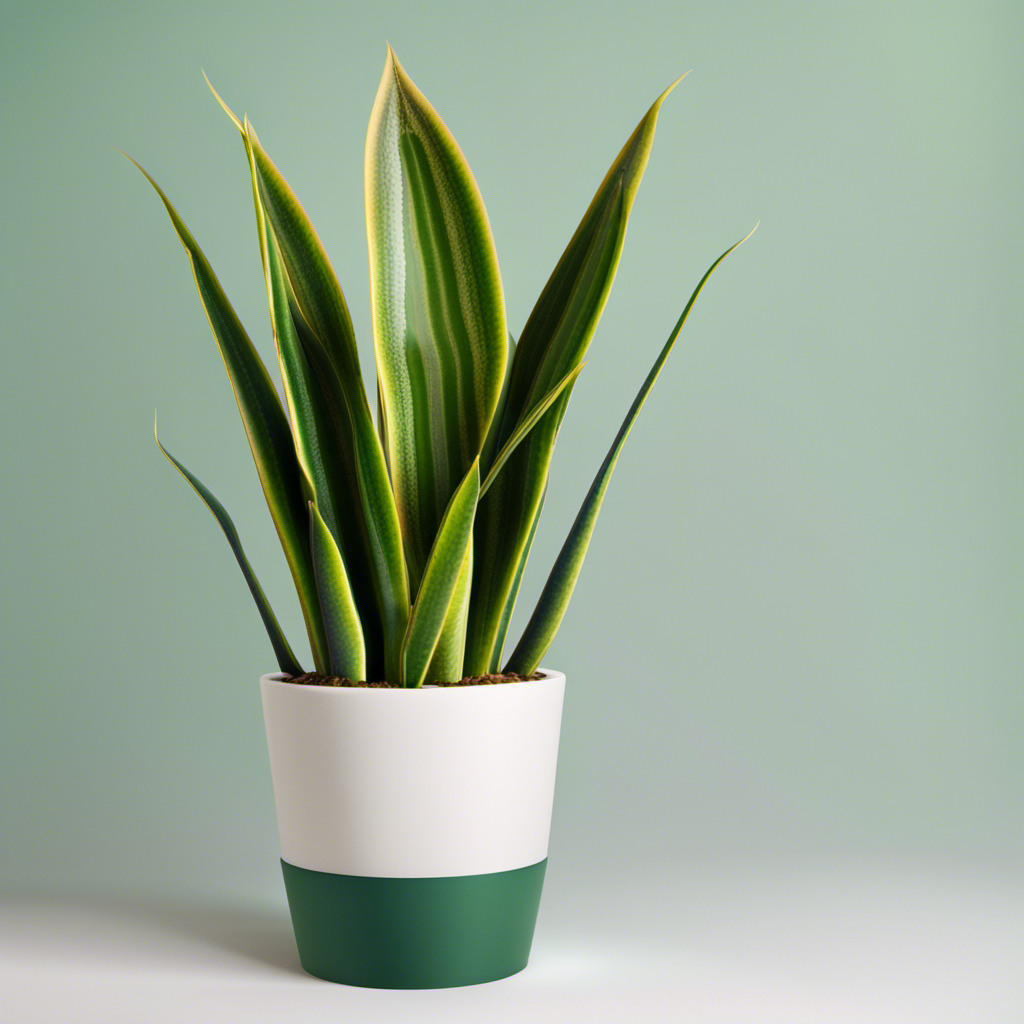
Native to West Africa, the Snake Plant has graced households worldwide for decades, proving itself a favorite for both aesthetics grown indoors and ease of care for all types of snake, everywhere. Its long, upright leaves with intricate patterns resemble the scales of a snake, narrow leaves the popular varities commonly have striped leaves, leading to its common name. Also known as the 'Mother-in-law's tongue', this plant doesn't just add greenery to your living space but also boasts the remarkable ability to produce oxygen at night, making it an ideal bedroom companion.
Snake Plant Care Guidelines
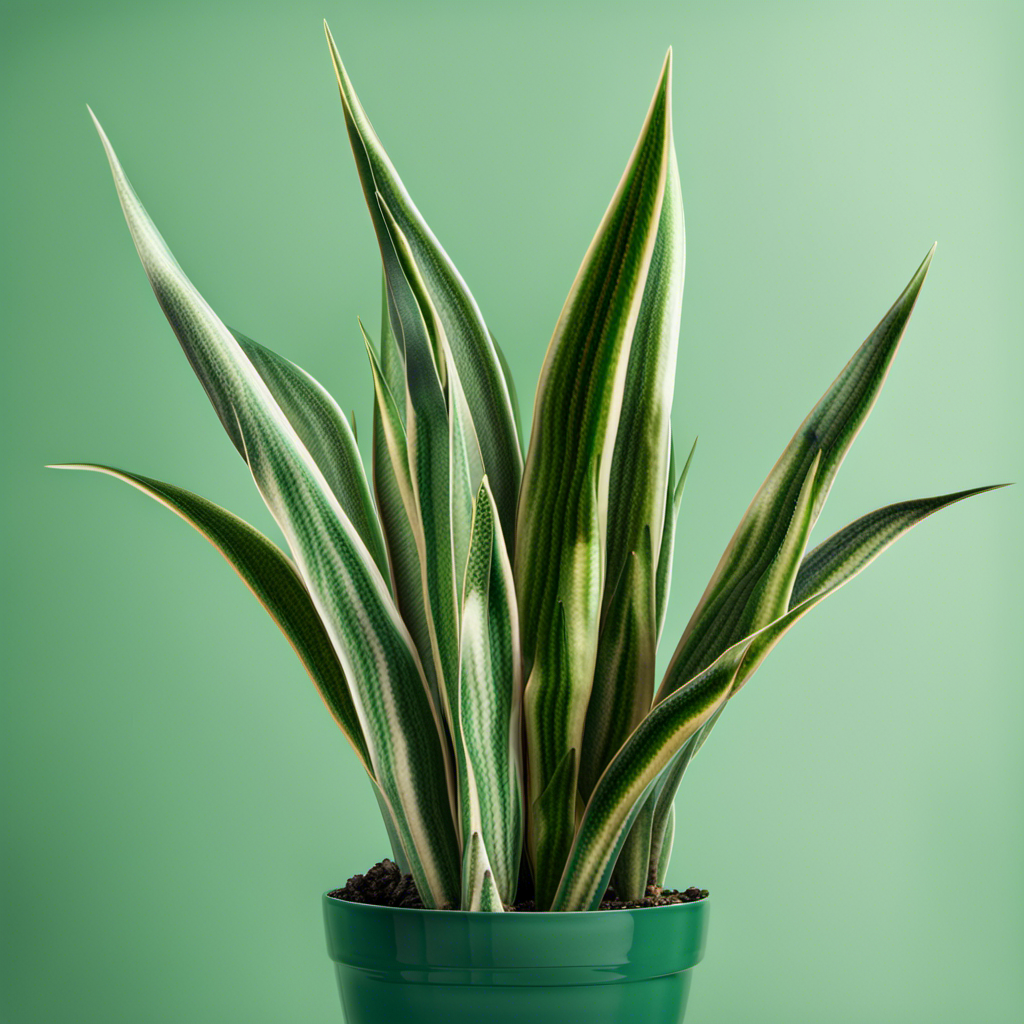
Caring for a Snake Plant isn't overly complicated. In fact, it's one of the most low-maintenance plants you can find. Here's a few hours on how you can take proper care for your snake plant, to ensure your Snake Plant remains healthy:
Snake Plant Lighting Needs:
Snake plants, with their dark green striped leaves, are exceptional indoor plants due to their adaptability. These plants thrive in bright indirect light but are also hardy in low light environments. The bird's nest variety, with its central crown, and the white snake plant with creamy yellow leaf margins, are especially robust.
For those who care for snake plants, placing them in a spot with bright light can boost growth. Beware of soggy soil, as it can lead to root rot. During the growing season, ensure they aren't exposed to direct sunlight for more than a few hours. Remember, while they purify indoor air by converting carbon dioxide, they are mildly toxic to pets.
This is where the plant's drought-tolerant nature shines. It's essential to water the Snake Plant sparingly. Overwatering can lead to root rot, which is the most common issue with this plant.
Let the soil dry out between waterings. In a typical household environment, watering once every 2-6 weeks is adequate. In cooler seasons or low light conditions, reduce the frequency even further. Your average household humidity could also impact your watering schedule.
Soil Composition:
Well-Draining Soil: The most crucial aspect of snake plant soil is that it must be well-draining. These plants are native to arid regions, and their roots are susceptible to rot if they remain in waterlogged soil for extended periods. A cactus or succulent potting mix is ideal as it offers excellent drainage. It is just as important to remeber to plant your snake plant in a pot with a drainage hole.
Soil Amendments: If you're working with regular potting soil, you can improve its drainage by adding sand or perlite. A general guideline would be to mix two parts of potting soil with one part of sand or perlite.
Organic Matter: While snake plants are tolerant of various soil conditions, they do appreciate some organic matter. Consider adding compost or well-decomposed manure to the mix. This provides the plant with essential nutrients and also improves soil texture
Ideal pH: Snake plants prefer slightly acidic to slightly alkaline soil, which translates to a pH range of about 6.1 (mildly acidic) to 7.8 (mildly alkaline).
pH Testing: It's always a good idea to test the pH of your soil, especially if you're mixing it yourself. pH testing kits are readily available at gardening centers.
Adjusting pH: If your soil is too acidic (below 6.1), you can add a bit of lime to raise the pH. If it's too alkaline (above 7.8), you can incorporate sulfur or peat moss to lower it.
Temperature and Humidity:
Snake Plants are fairly adaptable but prefer temperatures between 70°F to 90°F. They can tolerate cooler conditions but not for prolonged periods.
Humidity isn't a significant concern for the Snake Plant. They do well in both dry and more humid environments.
Fertilization:
While they don't require frequent feeding, you can provide them with a mild cactus or general-purpose fertilizer during the growing season (spring and summer) for an added nutrient boost. A much fertilizer is a popular choice for snake plants.
Pest and Problems:
Generally pest-resistant, occasional mealybugs or spider mites might show interest. Wipe the leaves with an insecticidal soap or neem oil solution to deter these pests.
Yellowing leaves typically indicate overwatering. Ensure proper drainage and adjust your watering schedule.
Propagation:
Propagating snake plants can be accomplished in a few different ways.
One popular method of propagation is Crown Division. For this approach, start by taking your plant out of its pot. At this point, you'll see the opportunity to divide the plant at its roots into as many sections as you prefer. These sections can then be potted individually.
During this process, you may find that densely grown plants might have inner growth that appears yellowish, indicating that it was deprived of sufficient light. Such sections can be teased apart further. These divisions can vary in size, ranging from a single crown to clusters of two or more crowns. Once divided, the sections display rhizomes – underground stems from which new growth emerges. It's advantageous to retain as many roots as possible when dividing, but snake plants are forgiving; even if a section only has a rhizome and leaves with no roots, it can still be planted and will likely grow. The divisions should be planted in appropriately-sized pots; oversized pots might retain standing water for too long, which is not favorable for snake plants that prefer their soil to dry out relatively swiftly.
The method I prefer involves Rooting Cuttings in Water. Here, a mature leaf is detached from the main plant and its cut end is immersed in a container with a few inches of water. The container should be placed in a bright location, and the water should be replaced, along with a rinse of the jar, once a week. Within about two months, roots are likely to form at the base of the cutting. Once roots are visible, the cutting can be transferred to a pot filled with houseplant potting mix [2].
A variant of this method is to propagate Leaf Cuttings in Soil. A leaf from a mature snake plant is cut at its base. To increase the number of potential new plants, this leaf can be further divided horizontally into 2-inch segments. One can apply rooting hormone to the cuttings to bolster rooting and deter rot. Each segment is then placed around half an inch deep in moist potting mix in a pot with drainage. Regular moisture checks are essential to ensure the soil doesn't dry out completely. In approximately two months, if attempting to lift a cutting from the soil is met with resistance, it's an indicator that roots have formed.
However, it's essential to note that when propagating snake plants through leaf cuttings, especially variegated varieties, there's a chance the new plants won't inherit the unique patterns of the parent plant. In such cases, the offspring might revert to the more common green Sansevieria look. If retaining the distinctive patterns of the mother plant is a priority, propagating by division is recommended
Conclusion
The Snake Plant is an embodiment of beauty and resilience, making it an indispensable plant addition to any indoor garden. By following the above, plant care guidelines, you can enjoy this plant for its architectural splendor and air-purifying benefits for years to come. Whether you are a seasoned gardener or someone just starting out with plant yourself, the Snake Plant is a worthy addition to your plant collection container gardening around.
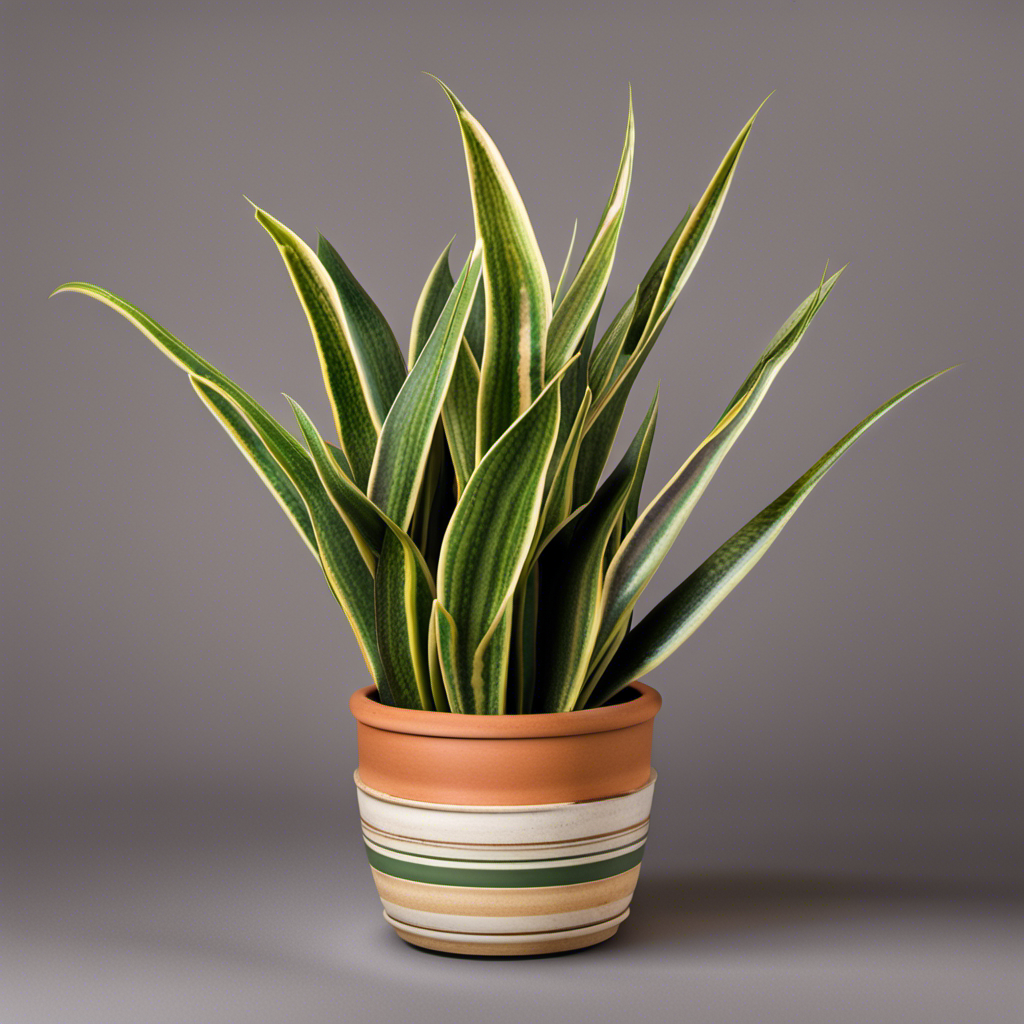
Here’s a concise list of some of the popular types of snake plants, with a brief description of each:
Sansevieria trifasciata 'Laurentii' (Golden Snake Plant):
Characterized by its tall, green leaves with bright yellow edges. It's one of the most common and recognizable snake plants.
Sansevieria trifasciata 'Moonshine' (Moonshine Snake Plant):
This cultivar has wide, pale silver-green leaves that give it a luminous quality, hence the name ‘Moonshine’.
Sansevieria trifasciata 'Black Gold' (Black Gold Snake Plant):
Striking dark green leaves contrasted with horizontal gold bands and golden edges.
Sansevieria cylindrica (Cylindrical Snake Plant or African Spear Plant):
Unlike other snake plants, this one has round, stiff, upright cylindrical leaves. It’s often braided for decorative purposes.
Sansevieria trifasciata 'Hahnii' (Bird's Nest Sansevieria):
This variety forms a rosette, resembling a bird's nest. Its shorter, stout leaves are green with light green bands.
Sansevieria trifasciata 'Twist' (Twist Snake Plant):
As the name suggests, this variety features twisted leaves that give it a unique, spiraled appearance.
Sansevieria kirkii 'Silver Blue' (Star Sansevieria):
Its broad, mottled green leaves have a silver-blue tint. The texture and patterns can vary widely within this type.
Sansevieria trifasciata 'Bantel's Sensation' (White Sansevieria):
Thin, tall leaves marked with irregular white vertical stripes make this cultivar particularly striking.
Sansevieria patens:
This species has fanned out, cylindrical leaves that grow in a pattern resembling a fan or a semi-circle.
Sansevieria ehrenbergii (Samurai Dwarf or Blue Sansevieria):
It has short, rigid leaves that can range from green to blueish in hue. It’s named after its sword-like appearance.
Sansevieria trifasciata 'Futura Robusta':
This cultivar is recognized for its wide, dark green leaves with horizontal bands of light green.
Sansevieria parva (Kenya Hyacinth):
A petite variety with slender, upright leaves that are green with a tinge of red on the edges.
Snake plants are not only aesthetically varied, but they are the easiest plants , making them a popular choice for homes and offices alike. With so many snake plant varieties available, small ones only a few inches tall or some that are several hundred feet tall and long, there’s likely a snake plant perfect for every personal preference and space.
Comments
Post a Comment