We already know that houseplants detoxify our air and make us happier. These plants thrive in low-light so now you can have some green in every corner of your home
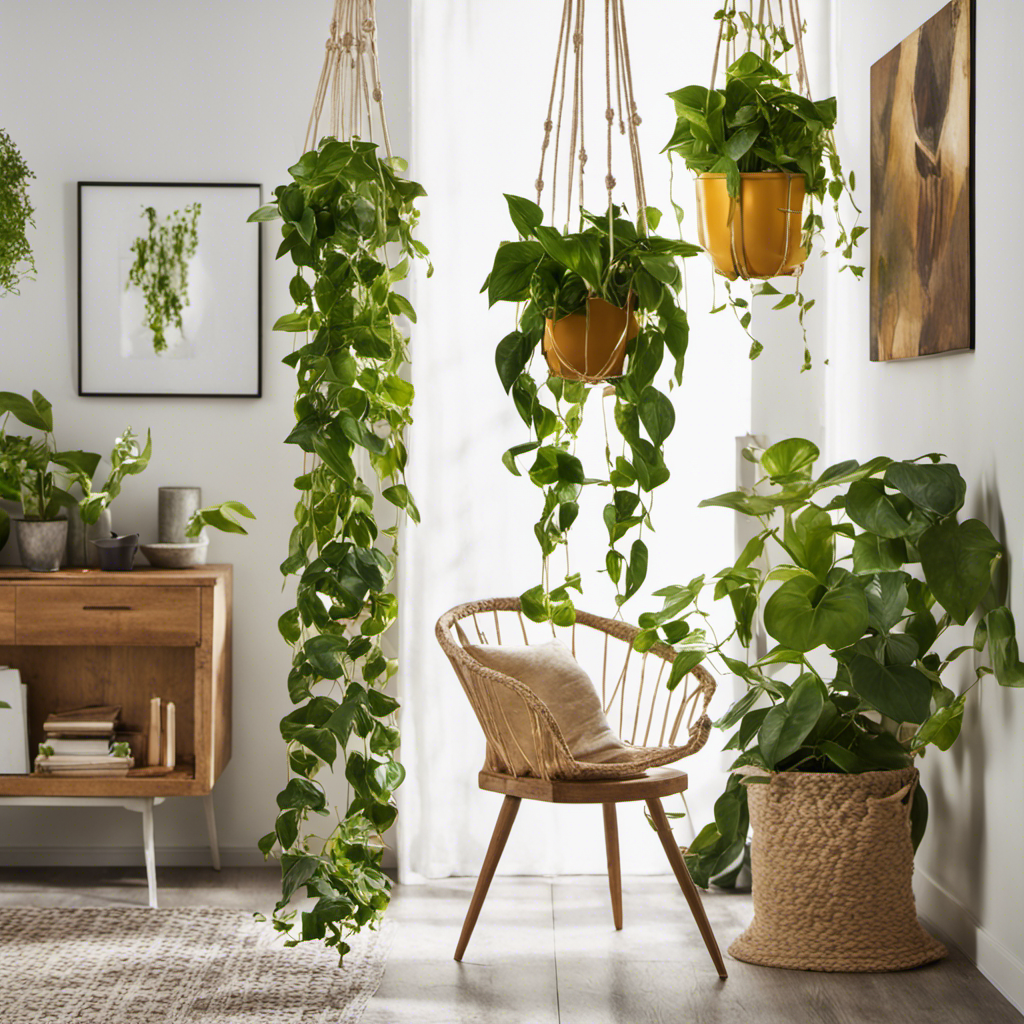
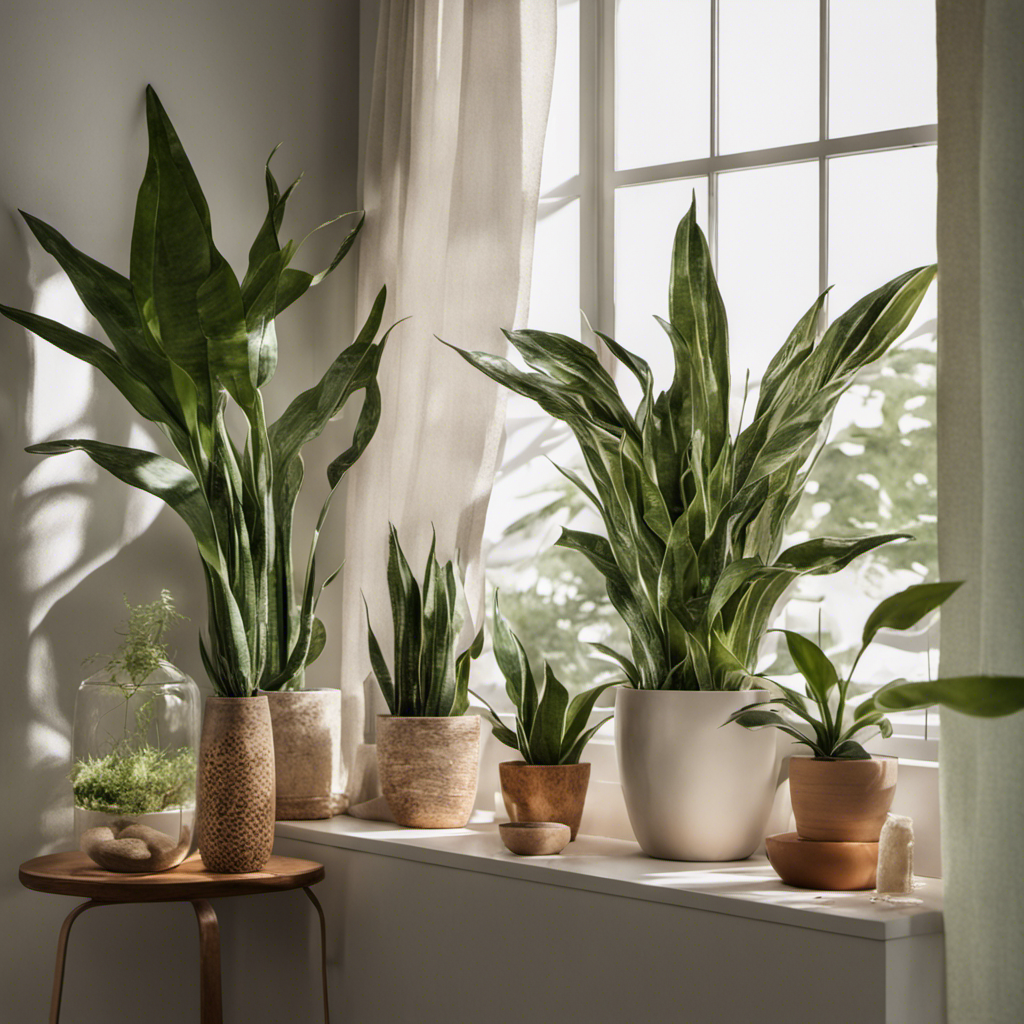
How to Take Care of a Snake Plant (Mother-in-Law's Tongue)
Dieffenbachia Plant
Let's dive deep into the very tropical plant world of Dieffenbachia. Often fondly known as the "dumb cane" (but trust us, there's nothing 'dumb' about this savvy plant choice!), this stunning green gem is a must-have for every indoor plant collection.
First off, Dieffenbachia plants have an uncanny ability to thrive in low light environments, making them a horticulturist's dream come true for those tricky, dimly-lit spots in your abode. Whether you're thinking of sprucing up that cozy bedroom corner, wanting to add a touch of greenery to your bathroom, or simply aiming to liven up your office desk.
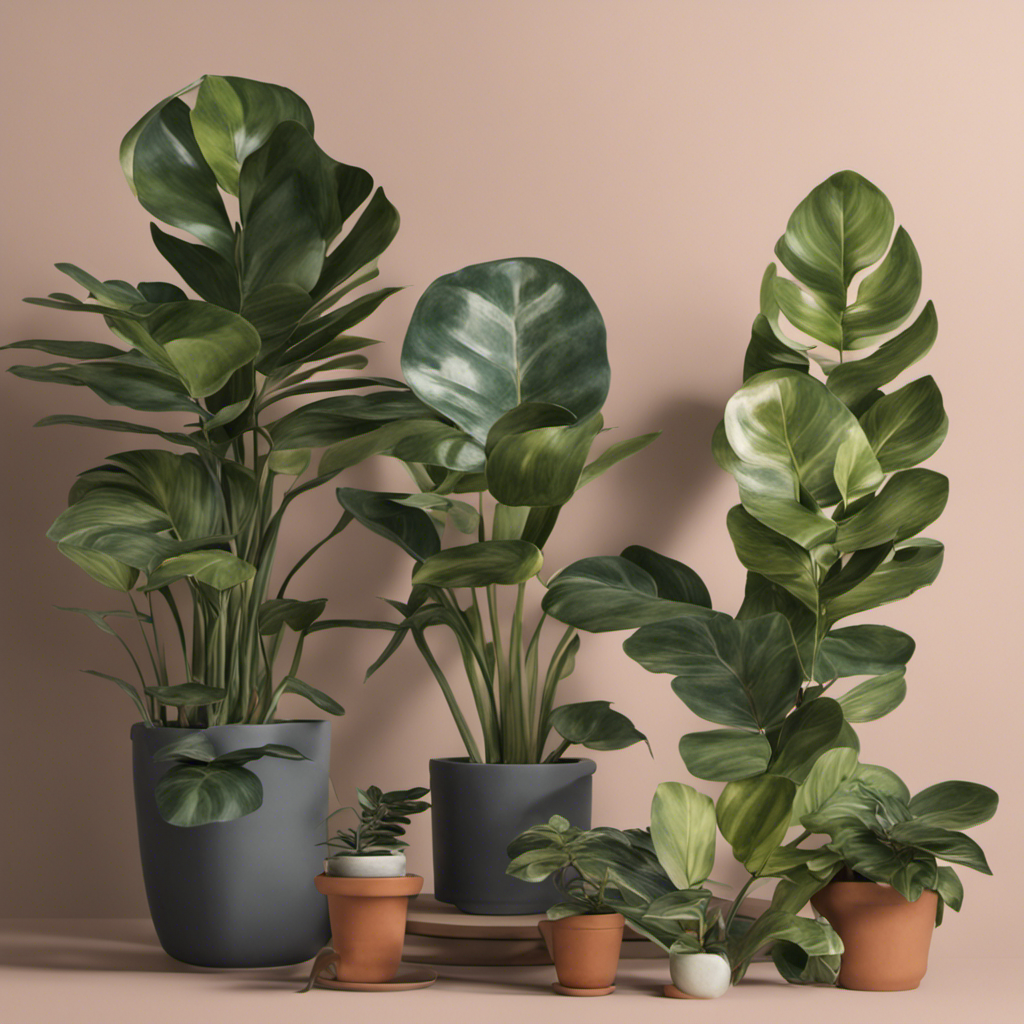
Dieffenbachia is ready to rise to the occasion. Their broad, variegated leaves aren't just for show; they're specially equipped to capture every photon of light they can get their chlorophyll-packed cells on, allowing them to grow upward flourish even when sunlight is scant.
For all you plant newbies out there, don't fret! Dieffenbachia plants are incredibly forgiving and make for an excellent beginner-friendly choice. A little water, some occasional feeding, and voila—you've got yourself a thriving, decorative companion.
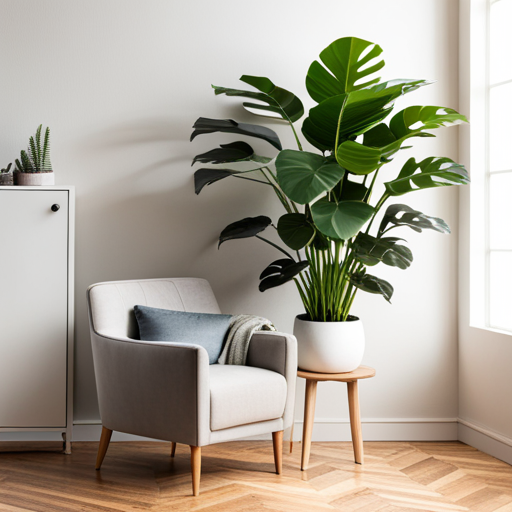
However, a word to the wise: Dieffenbachia has earned its "dumb cane" moniker because of its toxic sap, which can cause a temporary inability to speak if ingested. So, it's always a good idea to place it out of reach of curious pets and little ones, and always wash your hands after handling.
In conclusion, Dieffenbachia offers the best of both worlds: it's an elegant statement piece and a hardy survivor in those less-than-sunny spaces. So why wait? Brighten up those otherwise dark rooms, nooks and crannies with a dash of Dieffenbachia drama, and let the plant magic begin!
Chinese evergreen
Shift your gaze, plant enthusiasts, from the delights of Dieffenbachia to the enchanting elegance of the Chinese Evergreen, also known as Aglaonema. If ever there was a plant that deserved a standing ovation for its sheer adaptability and visual allure, it's this one!
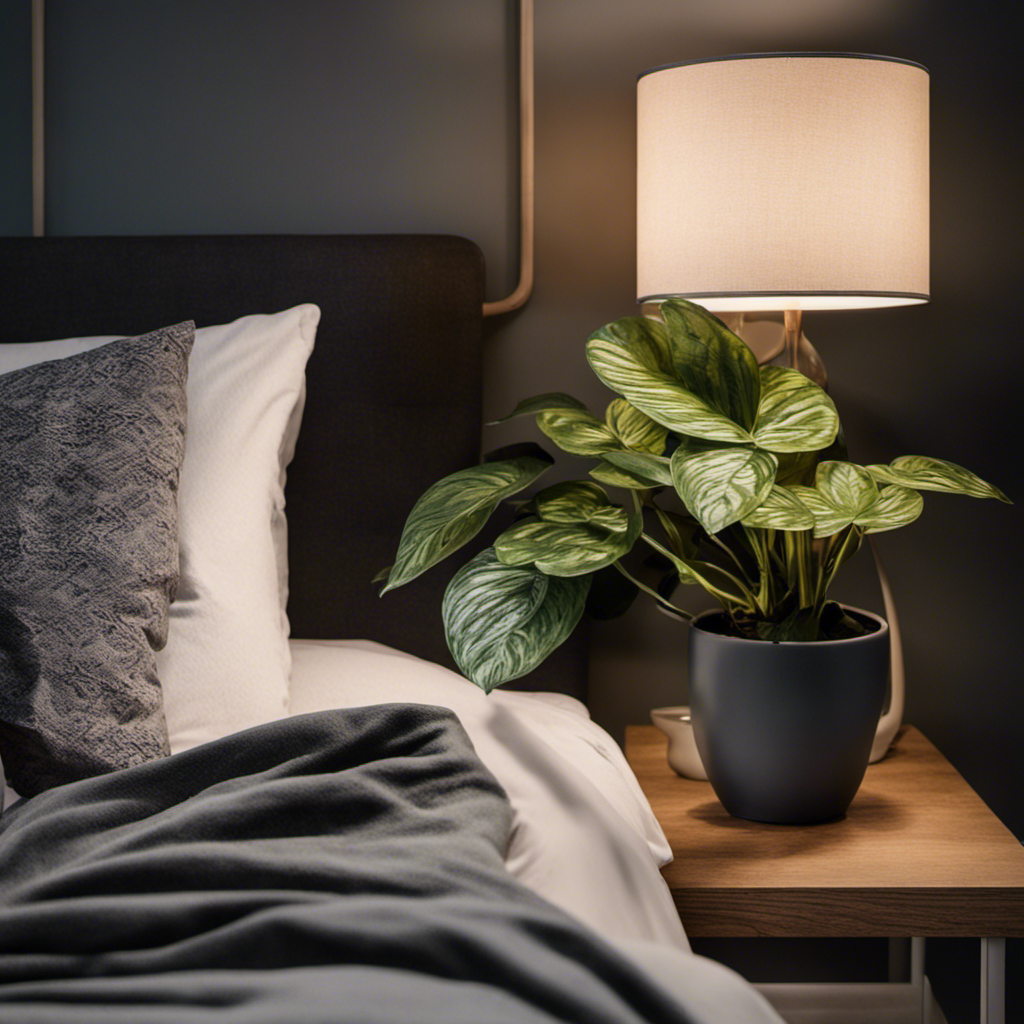
For those looking to jazz up those dim spots around the house or office, the Chinese Evergreen emerges as a star performer.
Its stunning, patterned foliage possesses a mystique that lends both vibrancy and serenity to any space. And the best part? This leafy wonder isn't just a pretty face; it has a proven track record of thriving in low-light conditions.
Those muted spaces, from shadowy bedrooms to barely-lit bathrooms, get an instant upgrade when this green diva makes an entrance. Its leaves, with their delightful blend of greens, silvers, reds, and even pinks in some varieties, have evolved to maximize light absorption, making the most of those stray beams and glimmers.
For our green-thumbed friends just beginning their horticultural journey, the Chinese Evergreen proves to be a boon. Not only is it hardy and adaptable, but it's also remarkably low-maintenance. A sip of water, very little light, here, some occasional feeding there, and you've got a verdant companion that sticks around.
However, similar to the Dieffenbachia, the Chinese Evergreen's sap can be irritable, so it's a wise move to keep it away from the mouths of pets and toddlers, and to always remember to rinse hands after pottering around with it.
In the grand tapestry of indoor plants, the Chinese Evergreen stands out as a resilient and ravishing addition. Whether you're a seasoned plant connoisseur or just embarking on your green journey, adding an Aglaonema to your collection of faux plants will ensure you have a touch of elegance, even in the most challenging corners. Let the verdant vibes roll!
Potted Aglaonema Silver Bay
Unfurl the red carpet and let's herald the entrance of the Aglaonema Silver Bay! Housed in its potted glory, this variety of Chinese Evergreen is a symphony of silvery greens, giving both veteran plant parents and newbies something to swoon over. 🌿✨
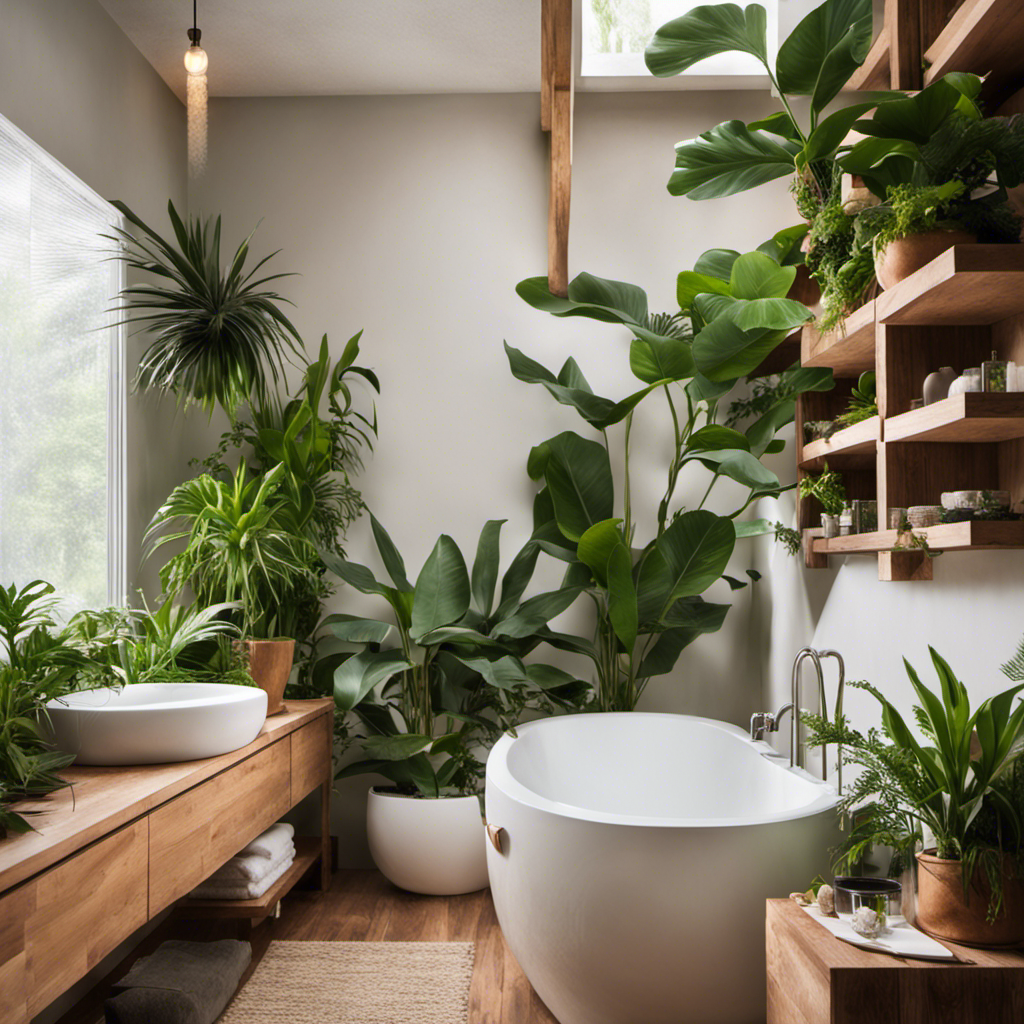
Firstly, let's talk aesthetics: The Silver Bay's broad, lustrous leaves come adorned with a central splash of silver that gleams even in low light, making it an instant focal point wherever it's placed. With its gentle, arching stems, the plant paints a picture of grace—almost as if it's constantly in a poised, balletic motion.
Yet, beyond its undeniable beauty, the potted Aglaonema Silver Bay is a paragon of adaptability. Nestled in its pot, it becomes a versatile addition to any space, be it a dimly lit office or a cozy reading nook at home. Its love for low-light environments is well-documented, and this makes it an especially cherished pick for spaces that might not receive a generous dose of sunlight. Plus, it's remarkably forgiving to those who might occasionally forget a watering or two (we've all been there!).
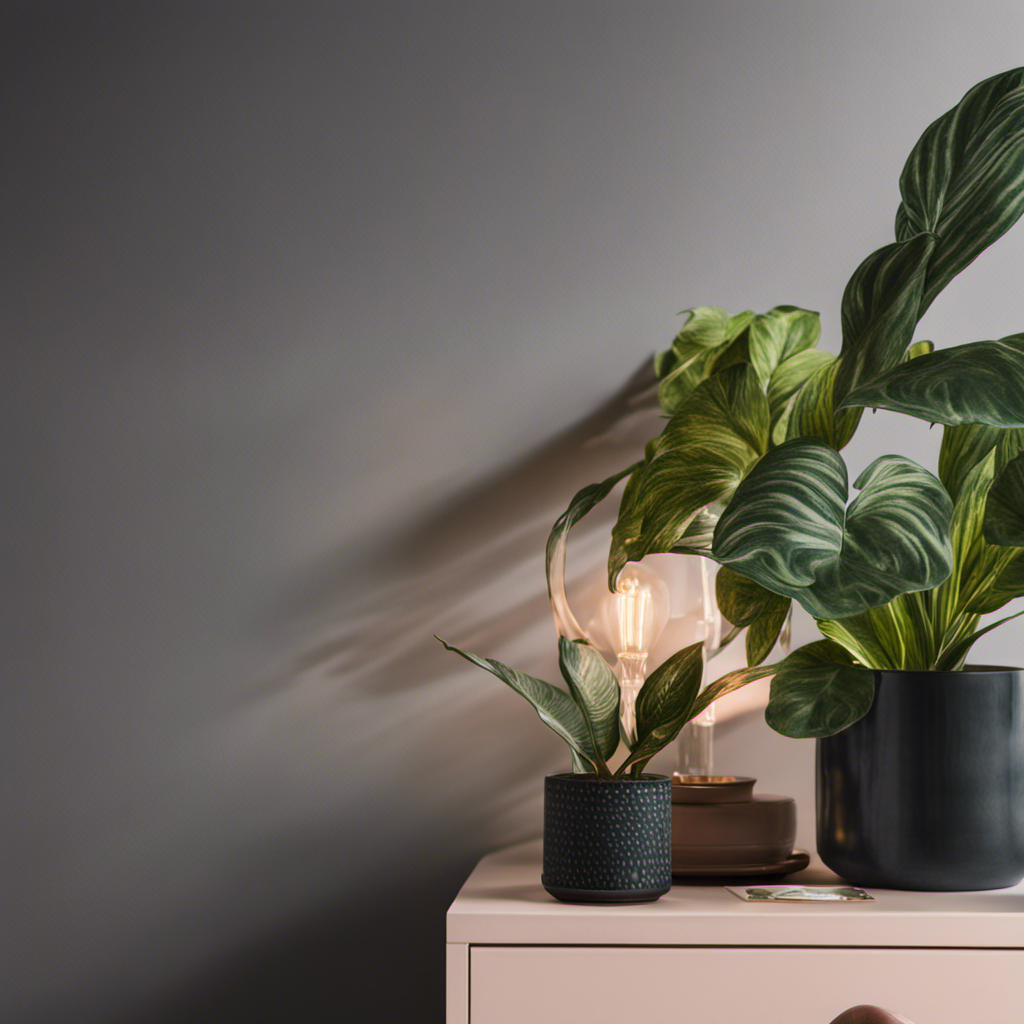
When it comes to care, while the Aglaonema Silver Bay thrives in well-draining soil and appreciates a consistent, moderate watering schedule, it isn't too fussy. It asks for nothing more than a bit of attention, occasional feeding, and the aforementioned cautious hand-washing if touched (remember, its sap can be irritable).
In conclusion, if you're on the hunt for a plant that offers both visual drama and environmental adaptability, the potted Aglaonema Silver Bay deserves a spot on your list. A joy to behold and a breeze to care for, it's the epitome of potted perfection
Lucky Bamboo Dracaena Tree
Ah, the Lucky Bamboo Dracaena! Far from your average houseplant, this beauty blends cultural significance with simplicity, making it a must-have for any indoor green space. Often gracing homes and offices, it's revered not just for its elegance, but also for the rich tapestry of symbolism woven around it.
Contrary to its name, the Lucky Bamboo isn't actually bamboo at all. It's a variety of the Dracaena genus and is scientifically known as Dracaena sanderiana. Aesthetically, with its bright green, slender stalks and often intricately twisted or braided formations, it immediately captures attention and radiates a calm, Zen-like aura. Many people love adding it to their homes because it serves as a fantastic, minimalist decorative piece that can easily fit into a variety of interiors.
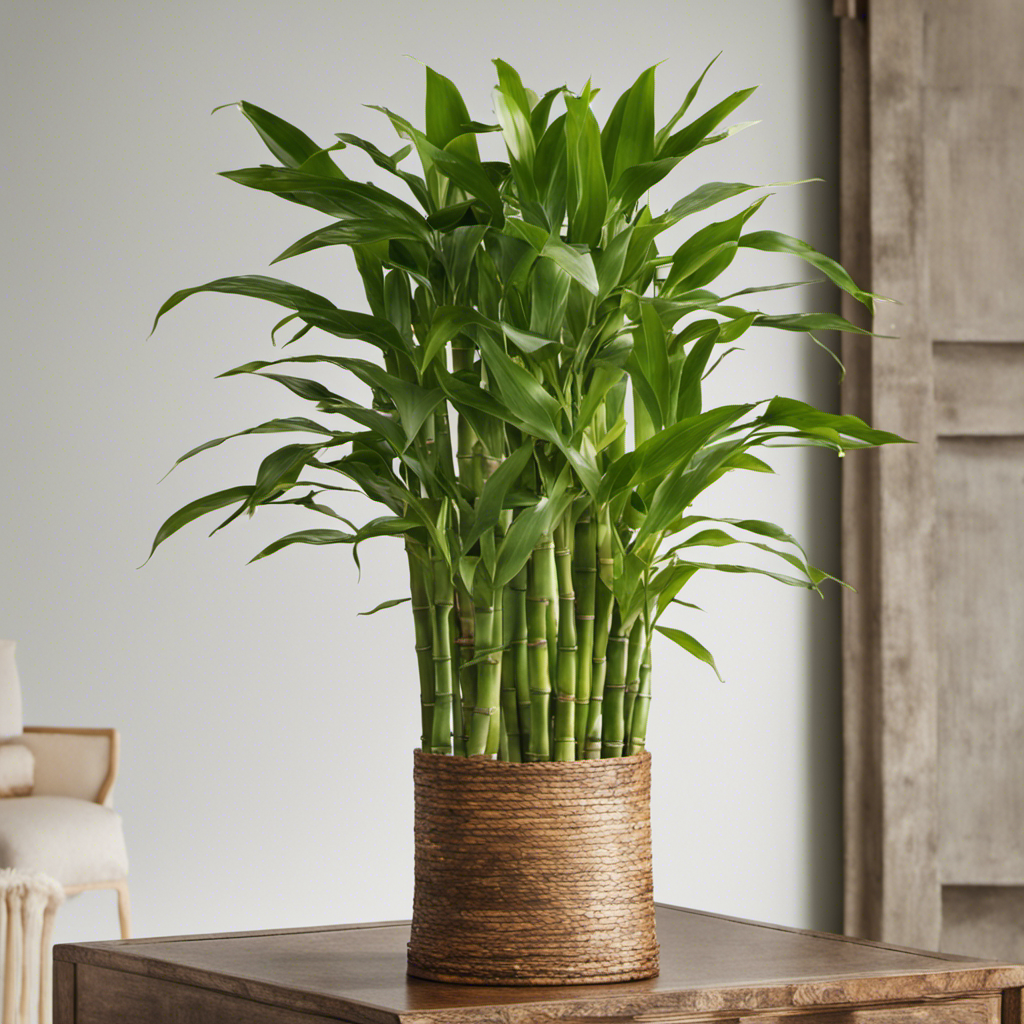
Culturally, the Lucky Bamboo is deeply embedded in the realm of Feng Shui. Every aspect of this plant, from its number of stalks to the way it's arranged, carries significance. For instance, three stalks represent happiness, five for wealth, and seven for good health. However, most avoid the number four, as it's associated with death in many East Asian cultures. Often, these stalks are coupled with a red ribbon or other accessories to enhance their significance and amplify their energy.
The beauty of the Lucky Bamboo Dracaena is also reflected in its care routine - it's relatively low-maintenance. It can thrive tolerate low light, in both soil and water, though the latter is more commonly seen. While it prefers bright indirect light and sunlight, it’s also known to adapt to a variety of direct light conditions, and its watering needs are minimal.
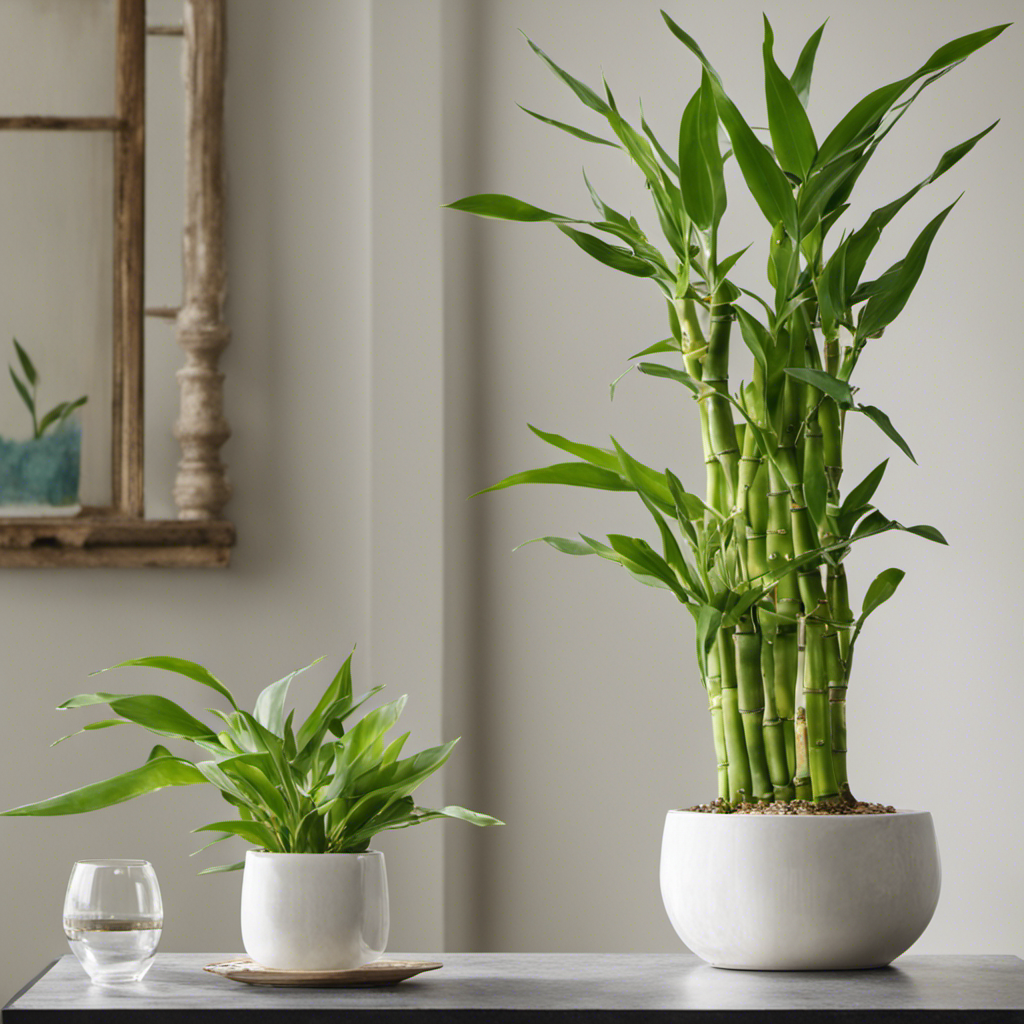
In essence, the Lucky Bamboo Dracaena tree is more than just a plant. It's a symbol of resilience, prosperity, and positive energy. Whether you're a botanical expert or just someone seeking a touch of nature and harmony in your space, this resilient plant promises to be a cherished companion.
Air plant
Introducing the ethereal, almost otherworldly, air plants, scientifically known as Tillandsia. These plants defy conventional horticultural logic in the most fascinating way: they don't need soil to thrive! Floating, dangling, perching - they're the magical drifters of the plant world, making them a unique and captivating addition to any green collection.
The magic of air plants lies in their trichomes, tiny hair-like structures on their leaves that act like little sponges. These trichomes absorb water and nutrients directly from the atmosphere, allowing the plant to live without the constraints of roots anchored in soil.
This evolutionary adaptation is particularly nifty for their native habitats—usually forests, mountains, and deserts across the southern U.S., Central, and South America—where latching onto tree branches or rocky surfaces is often more practical than seeking moist soil below.
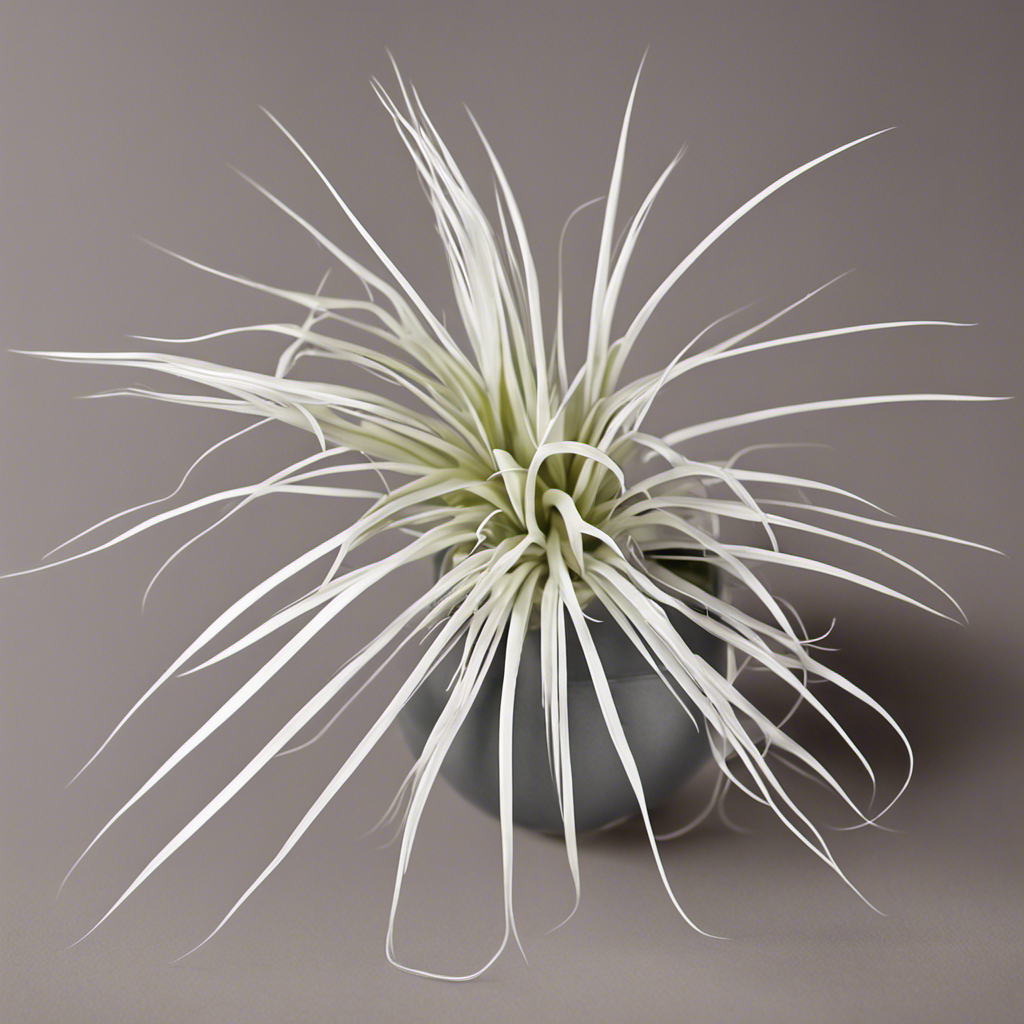
Design-wise, air plants offer unparalleled versatility. Hung from delicate strings, nestled within ornate terrariums, or simply placed atop a decorative dish, these plants provide endless opportunities for artistic expression.
Their eclectic shapes and forms, ranging from tight rosettes to feathery tendrils, are a dream for interior decorators and hobbyists alike. Plus, some Tillandsia even bloom, producing vibrant white flowers, that contrast beautifully with their silvery-green foliage.
But here's the best part: they're incredibly low-maintenance. While they do need a bit of TLC—think occasional soaking or misting and some indirect sunlight—they're forgiving and adaptable. And, let's be honest, there’s something wonderfully futuristic about caring for a plant that seems to float in the air.
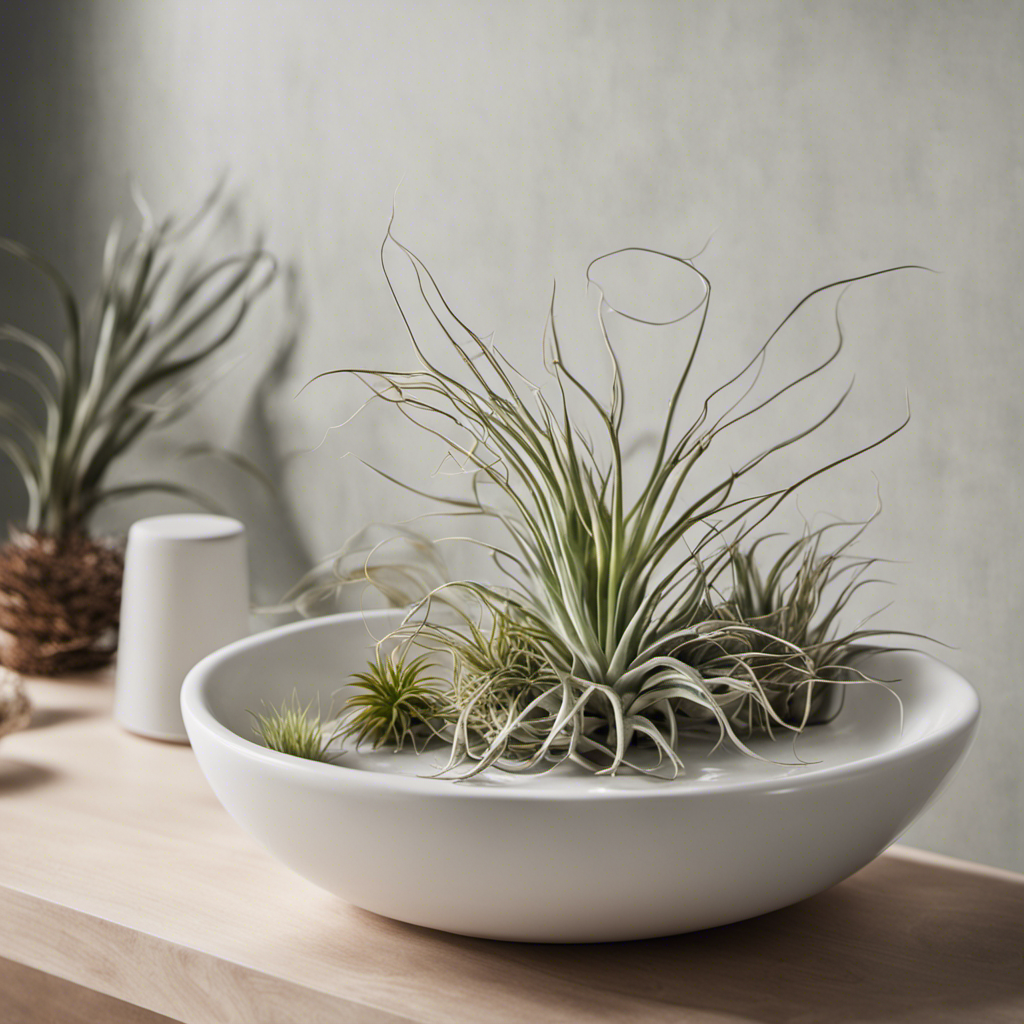
In the vast universe of horticulture, air plants stand out as the celestial bodies, reminding us that nature is full of surprises and innovation. So, if you’re looking to infuse a touch of whimsy and wonder into your indoor garden, the Tillandsia is ready to float into your heart and home.
Potted Anthurium Red Indoor Plant
Vibrant Visuals:
Often referred to as the "Flamingo Flower," the Anthurium boasts striking, heart-shaped red spathes (often mistaken for flowers) that stand out against a backdrop of glossy green leaves. This rich hue can add a warm and tropical feel to any room.
Long-Lasting Brilliance:
One of the charms of the Anthurium is its longevity. When given proper care, those vivid red spathes can remain fresh and vibrant for several to one to two weeks afterwards, ensuring a continual burst of color in your space.
Air-Purifying Powerhouse:
Beyond its aesthetic allure, the Anthurium has another ace up its sleeve. It's an excellent air purifier! This tropical beauty is known to filter out harmful indoor pollutants like ammonia and formaldehyde, making your indoor air fresher.
Low Light Lover:
While the Anthurium appreciates bright, indirect light, it's also forgiving of lower light conditions. So, whether you take spider plant and place it in artificial light near a sunny window or in a more shaded spot, it's likely to adapt and thrive.
Moderate Moisture Maven:
Anthuriums prefer their soil to be consistently the soil slightly moist but well drained soil not waterlogged. Ensure the soil is dry with a well-draining potting mix and a pot with drainage holes to prevent overwatering.
Tropical Temperatures:
Originating from tropical regions, Anthuriums appreciate warmth high humidity. They prefer temperatures between 65°F and 75°F (18°C - 24°C) and are sensitive to cold and warm temperatures, and drastic temperature drops.
Pet Owners Beware:
As captivating as they are, Anthuriums contain calcium oxalate crystals, which can be toxic when ingested. If you have curious pets, it's a good idea to place this plant out of their reach.
Yearly Blooms:
With proper care, Anthuriums can produce their stunning spathes multiple times a year, ensuring a perennial splash of tropical vibrancy in your space.
Diverse Varieties:
While the red Anthurium is a classic choice, this plant comes in a variety of colors and patterns, from pinks to whites and even multicolored varieties. The options for adding a touch of the tropics to your home are vast!
Perfect for Gifting:
Given its striking appearance and relatively easy care routine, the potted Anthurium makes for a delightful gift. Whether it's a housewarming present, a token of appreciation, or just because, this plant is sure to impress.
In summary, the potted Anthurium Red is not just a visual delight but also a hardy and beneficial addition to any indoor space. With its blend of beauty, adaptability, and air-purifying qualities, it's a top contender for anyone looking to bring a touch of the tropics indoors!
Golden Pothos
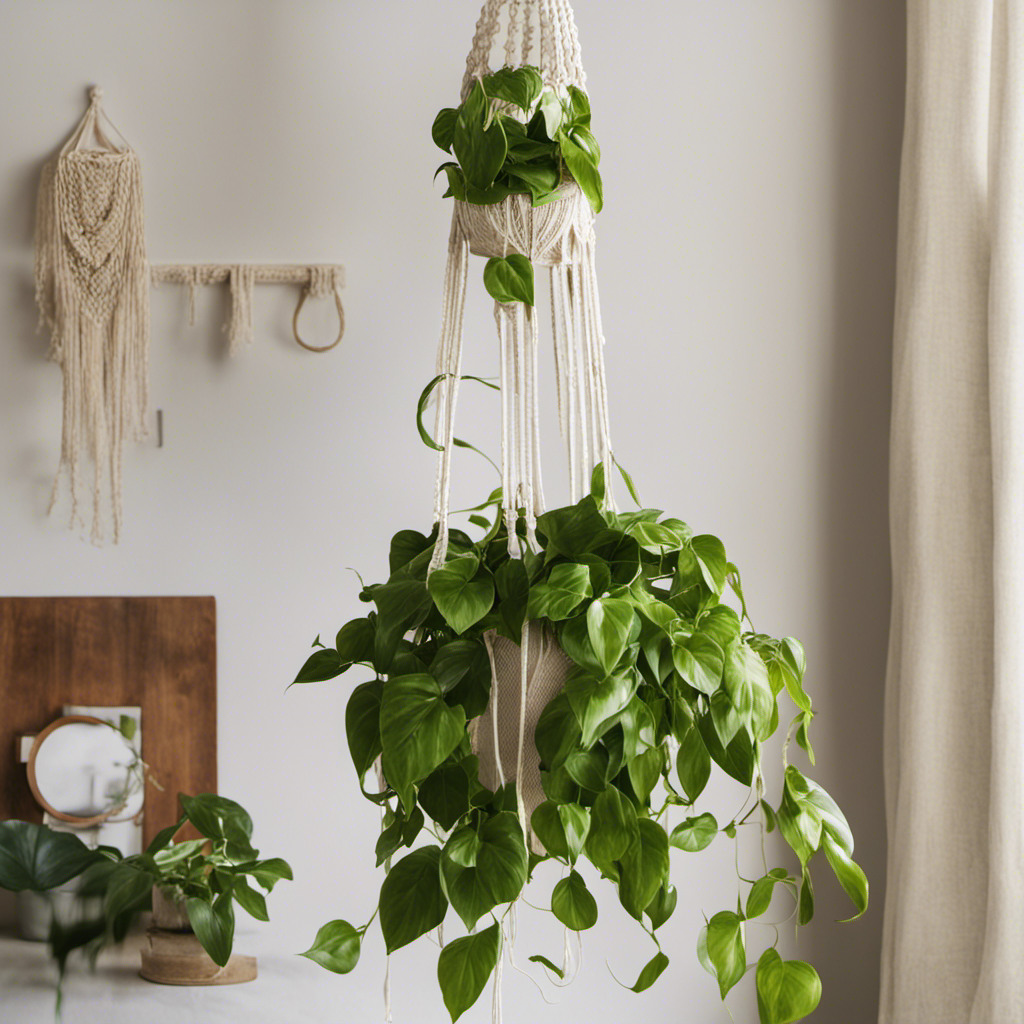
from seasoned horticulturists to those just dipping their toes into the verdant waters of plant care! Today, let's unravel the charm of the Golden Pothos—or as some of you might affectionately call it, the "Devil’s Ivy." And no, despite its slightly mischievous nickname, it's nothing but an angel when it comes to brightening up your indoor spaces.
Golden Pothos, with its cascading vines adorned with heart-shaped leaves generously splashed with golden-yellow, is more than just a pretty face in the plant world. One of its superpowers? Its uncanny ability to thrive in low-light conditions.
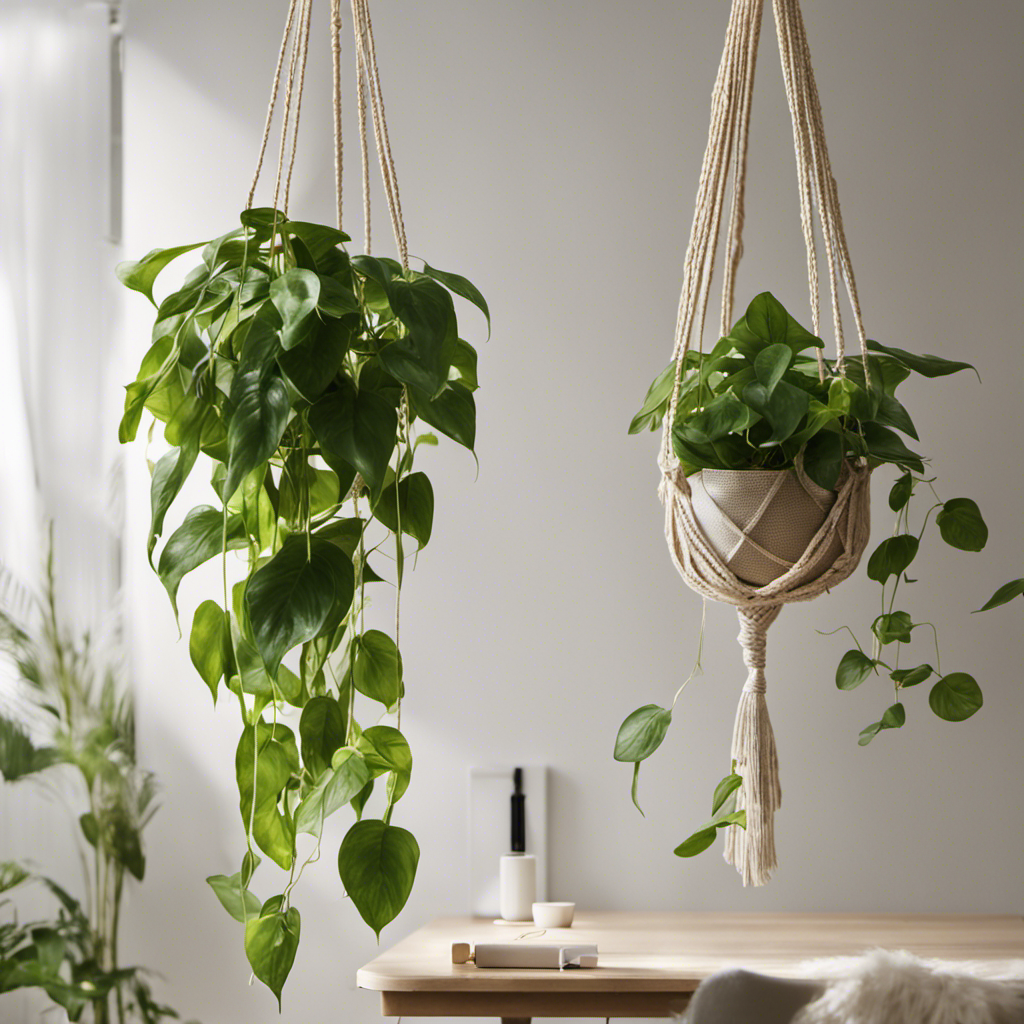
For those shadowy corners of your bedroom too much light, that bathroom sans a big window, or the understated nooks in your office with low light plants, this plant emerges as the knight in shining (or should we say, 'golden') armor. Its leaves have this wonderful knack for capturing whatever indirect light that is available, making the most of dim situations.
Now, for those of you who're just embarking on your plant journey, here’s the cherry on top: Golden Pothos is delightfully low-maintenance. It's forgiving of forgetful waterers and doesn't throw a fit if you get too much sun don't give it the sunniest spot in the house.
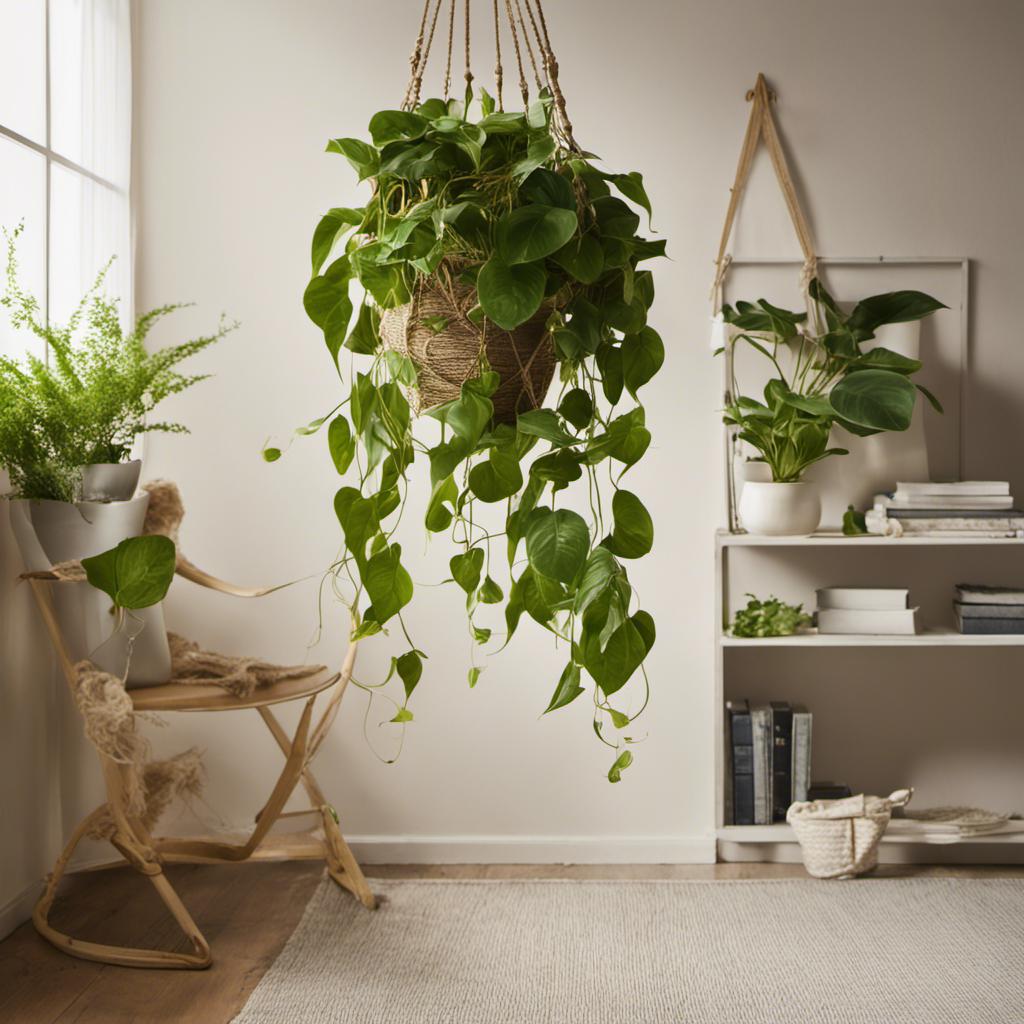
It's like that easygoing friend who's always a joy to hang around with—no fuss, no drama, just pure, leafy goodness.
But, while we're singing its praises, here's a note of caution: Although the Golden Pothos graces our spaces with its presence, it's best to keep it out of reach of pets and kids. When ingested, it can be toxic. Always good to remember, while beauty is a joy, safety is paramount!
Wrapping up, the Golden Pothos is truly the gold standard when it comes to beautifying those tricky low-light spaces. Easy to care for, visually stunning, and a true champion of the shadows—what more could a plant lover ask for? So, next time you're pondering over which plant to grace a dim room with, let the lustrous leaves of the Golden Pothos light the way!
Staghorn fern
Alright, plant aficionados and green-thumbed novices trailing plant everything alike, let’s take a delightful detour into the realm of Staghorn Ferns—the tropical plants that are making waves, or should we say, fronds, in the world of indoor gardening! With their dramatic, antler-like fronds, these epiphytes (plants that grow on other plants without taking nutrients from them) evoke the grandeur of a mounted stag's head, minus the hunting expedition.
Now, let’s talk lighting. Staghorn ferns have an uncanny adaptability when it comes to low light conditions and partial shade, and low light settings, and partial shade, making them a perfect pick for those shadow-filled corners in your home.
Whether it's a dark bedroom that could use a touch of the tropics, a bathroom begging for some natural light greenery, or an office space that only gets indirect sunlight, these ferns have got you covered. While they do love some bright light, they're forgiving and can thrive even if you can't offer them a direct sun-drenched spot.
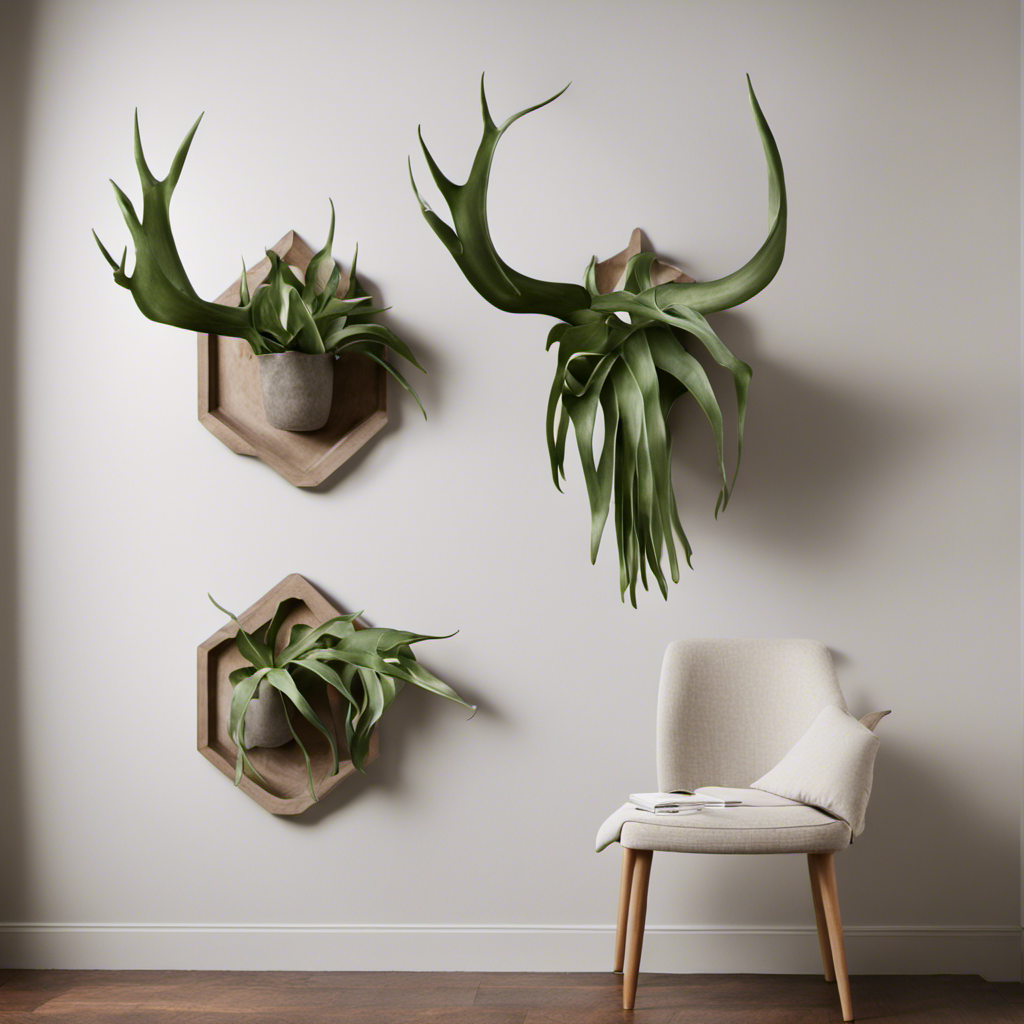
But the Staghorn's appeal isn't limited to its lighting preferences. Those dark green leaves are not only eye-catching, but they're also air-purifying dynamos. They work silently, pulling in pollutants and giving back nothing but pure, clean oxygen.
Moreover, their unique mounting growth means you can have them hanging, creating a visually stunning vertical garden. Plus, their minimal root system means low maintenance care, low maintenance plants which is always a win!
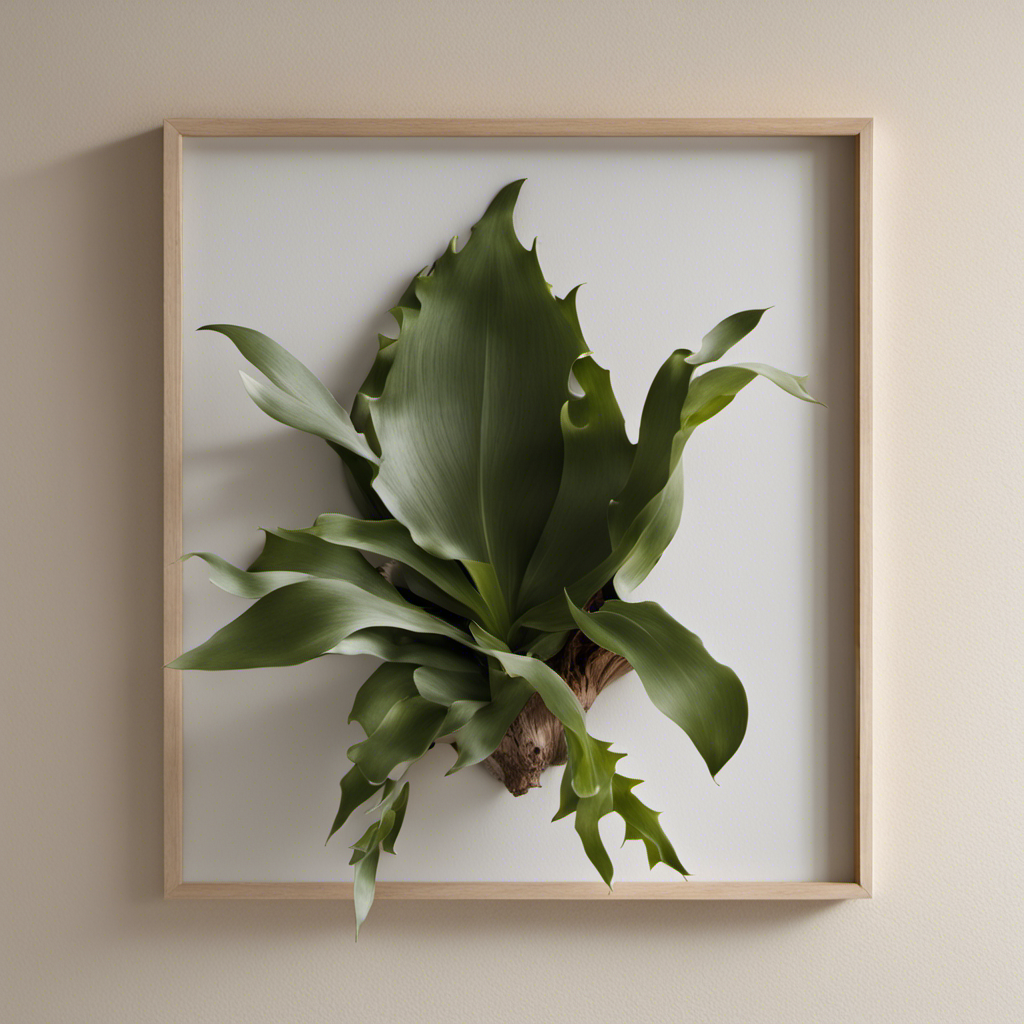
However, just a little tip for those looking to dip their toes into the Staghorn pool—these ferns appreciate indirect light and occasional misting, mimicking their natural rainforest habitat. So, while they might not need a daily sprinkle, don’t let them dry out entirely over watering either. It's all about finding that sweet spot!
In summary, if you're on the hunt for a plant that's equal parts dramatic and adaptable, the Staghorn Fern is your guy. It promises to elevate any space with its tropical charm, while also being a resilient partner in those not-so-sunny spots. So, next time you're pondering a wall decoration, why not go green with a Staghorn Fern?
Prayer plant
Introduction to the Spectacle:
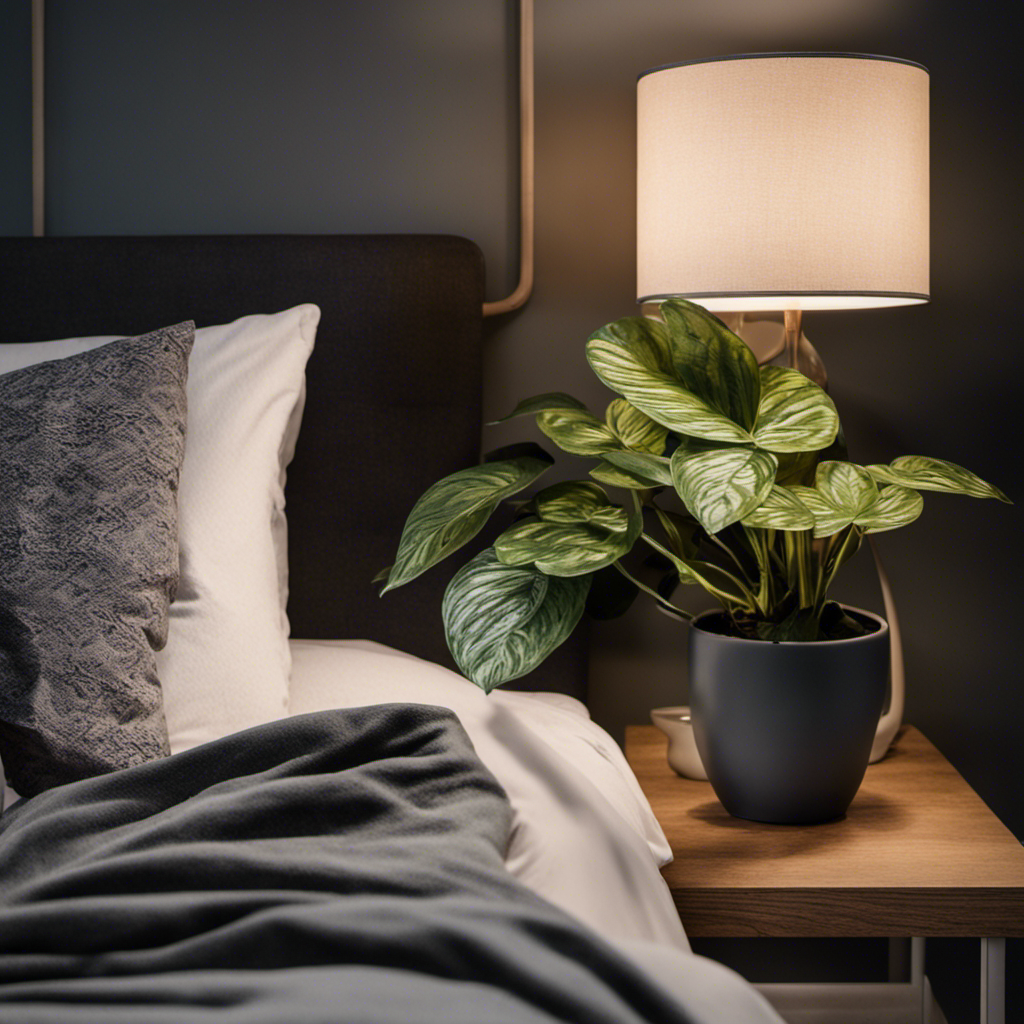
Prayer plants, with their beautifully patterned leaves, have become a favorite among indoor gardening enthusiasts. They get their quirky name because their leaves fold up at night, resembling hands in prayer.
A Low Light Lover:
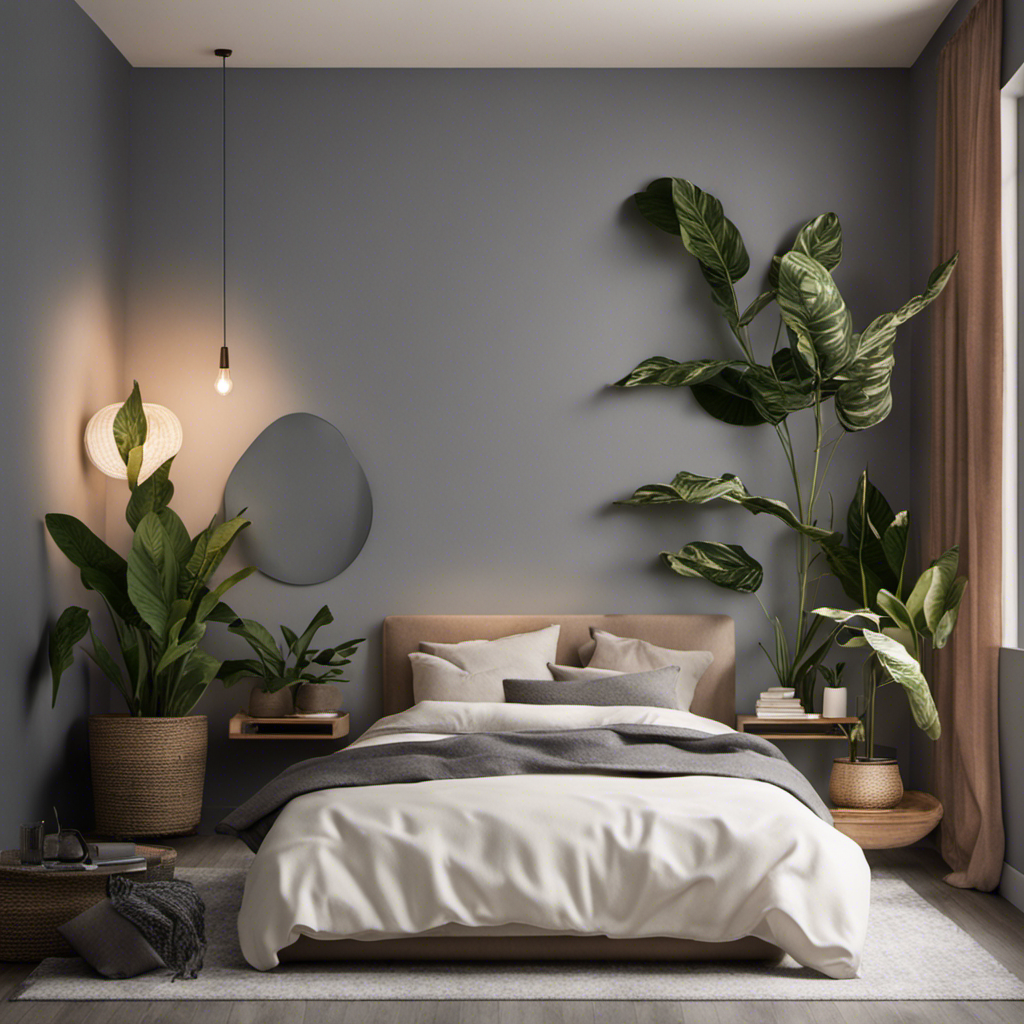
While the Prayer plant thrives low light indoor plants, in bright, indirect sunlight, it’s impressively adaptable to low and medium light, conditions. That makes it an ideal choice low light indoor plant, for dark bedrooms, offices, and even that bathroom that needs a splash of green.
Not Just Another Pretty Leaf:
Beyond its visual appeal, the Prayer plant’s leaves are interactive. They move in response to the light, opening during the day and closing in the evening. This rhythmic movement can be a delightful spectacle for plant lovers of all ages!
Humidity is Heaven:
Originating from tropical regions, the Prayer plant loves a humid environment and fluorescent light. So, if you've got a bathroom with natural light, it's like a spa retreat for these flowering plants.
Easy Maintenance with a Twist:
While Prayer plants are generally a low maintenance plant, they do appreciate consistency. Keeping the soil moist (but not waterlogged) and ensuring they’re not in direct sunlight will keep them looking their best. And remember, they enjoy the occasional misting!
Safe for Your Furry Friends:
One of the added bonuses of the Prayer plant? It’s non-toxic to pets. So, if you’ve got a curious cat or a nosy pup, you don’t have to fret about them sniffing around this plant.
Pattern Play:
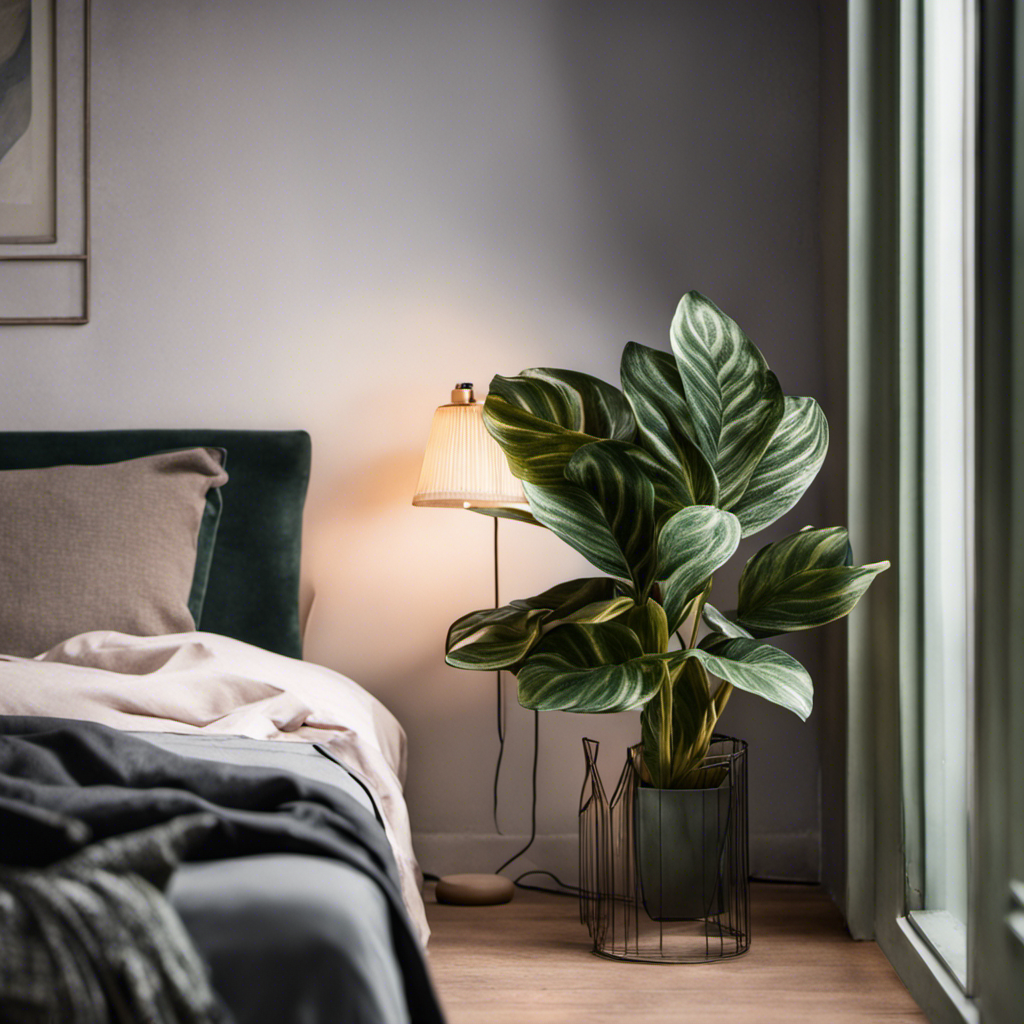
One of the standout features of the Prayer plant is its intricate leaf patterns. From dark green with pink veins to vibrant reds, the variations are numerous, making it a statement piece in any room.
Compact Growth:
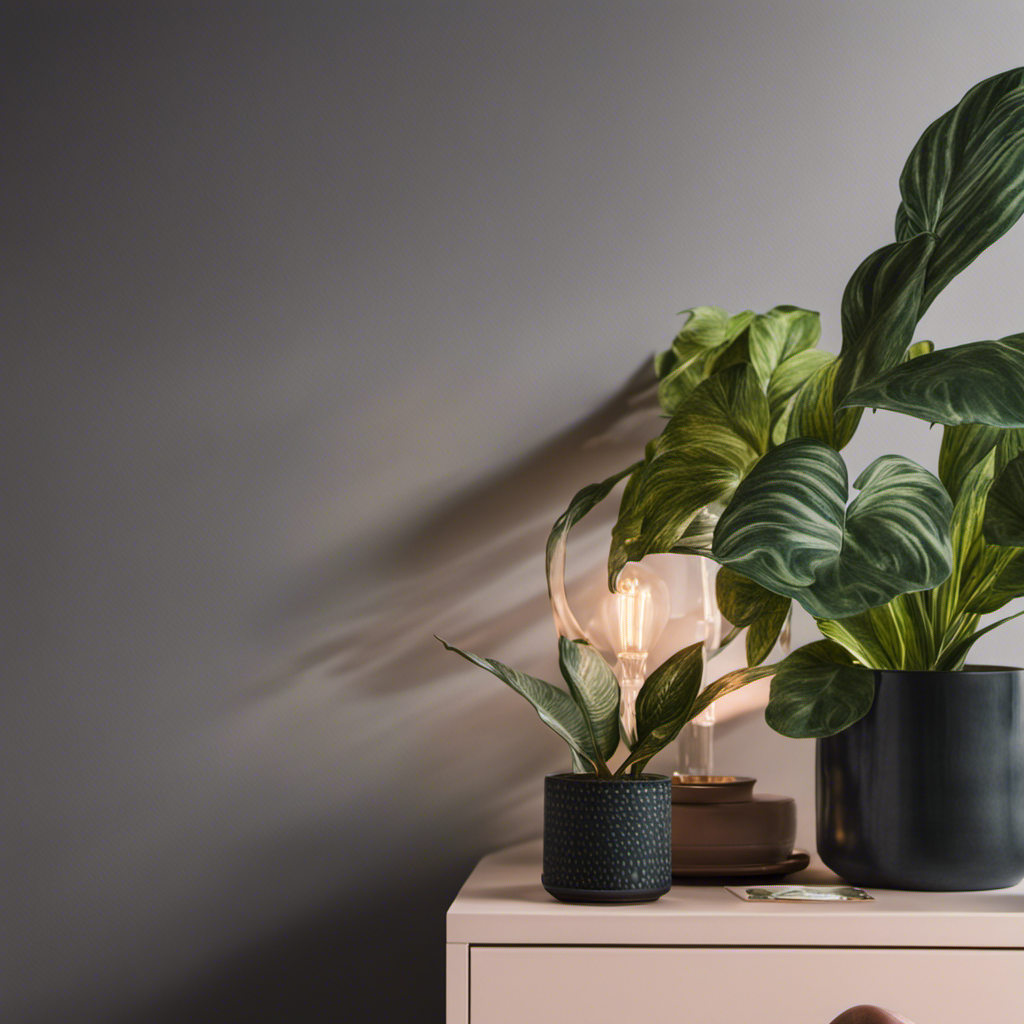
Unlike some houseplants that can turn into indoor trees, the Prayer plant remains relatively compact. This makes it a great tabletop addition or a perfect plant for those with limited space.
Teaching Tool:
For those with kids or just the young at heart, the Prayer plant’s daily movements provide a fantastic opportunity to discuss plant behavior and rhythms in nature.
The Ideal Gift:
Whether it’s a housewarming, a birthday, or just a gesture of appreciation, a Prayer plant, with its unique behaviors and stunning aesthetics, is a gift that keeps on giving.
In the grand tapestry of indoor plants, the Prayer plant holds a special place. With its combination of beauty, adaptability, and playful behavior, it's a delightful addition to any plant family. Whether you're a seasoned horticulturist or just starting out, there's always room for a little prayer in your green collection!
Comments
Post a Comment