Monstera Deliciosa Care
Monstera Deliciosa, commonly known as the Swiss Cheese Plant or Split-Leaf Philodendron, is a beloved tropical house plant from the Monstera genus. Its stunning appearance, with large glossy green leaves adorned with unique holes and cuts, has made it a favorite among plant enthusiasts. The Monstera Deliciosa Albo Variegata, a rare variety with striking white variegation, has gained fame as one of the most expensive plants in the world.
How Much Sunlight Do Monstera Plants Need?
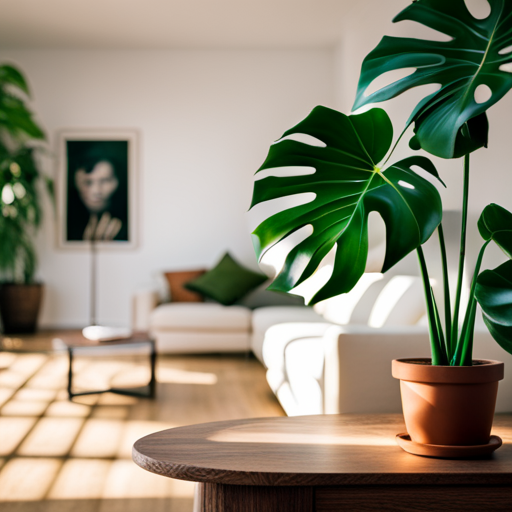
Monstera plants adore bright indirect light; it's the key to a thriving and vibrant life. Imagine that soft glow you get when sunlight gently filters through sheer curtains – that's the kind of ambiance Monstera craves. So, no harsh beams.
Direct sunlight? Not on a Monstera. Direct rays can lead to a bit of a leafy burnout, and trust me, no one wants brown sun scars scattered across the foliage. So, we'll keep the direct rays at bay.
Now, let's find that perfect balance – the Goldilocks of lighting. Give your Monstera a prime seat where it can bask in bright yet filtered light.
Monstera Deliciosa Albo and Variegated Plants
The Monstera Deliciosa Albo Variegata is an exceptional plant with white variegation on its leaves, making it highly sought-after among collectors. Due to its rarity and stunning appearance, this particular variety commands high prices in the plant market.
Monstera Deliciosa Albo Variegata: A Rare Masterpiece
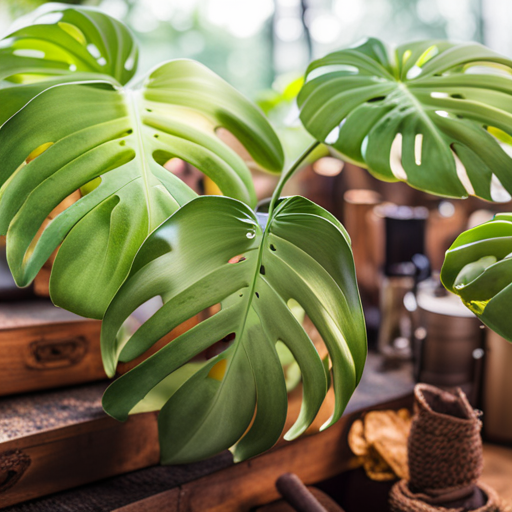
The Monstera Deliciosa Albo Variegata stands as a rare masterpiece among variegated Monstera plants. Its leaves boast a striking contrast, adorned with creamy white variegation on its deep green canvas. Like a regal queen, this stunning plant commands attention and admiration wherever it resides. The Albo Variegata's elegance and uniqueness make it a prized possession for plant collectors and enthusiasts worldwide. Its allure lies in its unpredictability, as each leaf carries a unique pattern, much like nature's artistry unfolding before our eyes. Caring for the Albo Variegata requires a gentle touch, as it can be a bit more delicate than its non-variegated counterparts. With bright indirect light and well-draining soil, it thrives and continues to mesmerize with every unfurling leaf.
Thai Constellation Monstera: A Celestial Beauty
The Thai Constellation Monstera, another captivating variegated variety, offers a dreamy blend of cream-colored variegation sprinkled with dark green speckles, reminiscent of a star-studded night sky. Its celestial charm has earned it a special place in the hearts of collectors and plant enthusiasts alike. This rare gem adds a touch of ethereal elegance to any indoor garden. Similar to stargazing, finding a Thai Constellation can be a thrilling adventure, with its limited availability and high demand. Caring for this celestial beauty involves providing bright indirect light and adequate humidity, as it prefers to bask in a celestial glow, away from direct sunlight. Each leaf of the Thai Constellation tells a unique story, making it an exquisite addition to any plant collection, elevating any space to a botanical wonderland. Witnessing its growth and evolution is akin to observing the stars in motion, an awe-inspiring journey of celestial beauty in the comfort of your own home.
Albo Monstera Watering Requirements
To keep Monstera plants healthy, it's essential to maintain even soil moisture. However, overwatering should be avoided, as it can lead to root rot. Water the plant when the top inch of the soil feels dry to the touch.
When it comes to watering, there can be a slight difference between a variegated Monstera and a normal Monstera.
Variegated Monstera: Variegated Monstera plants may require a bit more attention when it comes to watering. Their unique variegation can affect their photosynthetic capabilities, making them slightly more sensitive to overwatering. It's crucial to strike the right balance to maintain their health and preserve their striking patterns. Regularly check the soil moisture and water only when the top inch feels dry. Aim for a well-draining soil mix with worm castings to prevent waterlogging, which can lead to root rot, a common issue with all Monstera plants.
Normal Monstera: Regular Monstera plants, without variegation, are generally more forgiving when it comes to watering. They can
tolerate a slightly wider range of soil moisture levels. However, it's still essential not to let them sit in overly wet soil for extended periods. Allow the soil to dry out a bit between watering sessions, and ensure good drainage to prevent waterlogged roots. Like their variegated counterparts, they thrive in a well-draining soil mix.
In summary, both variegated and normal Monstera plants prefer a well-draining soil mix and should not be subjected to consistently wet soil. Paying attention to their specific watering needs, based on their foliage type, will help keep both varieties healthy and happy
The Most Expensive House Plant in the World
The Monstera Deliciosa Albo Variegata is renowned for being one of the most expensive house plants in the world, fetching high prices in plant auctions and rare plant sales due to its limited availability and striking beauty.
How do you take care of monstera deliciosa indoors?
Indoor care for Monstera Deliciosa involves providing bright indirect light, well-draining soil, and regular watering. Additionally, a moss pole can be used to support the plant's aerial roots and encourage healthy growth.

Albo Monstera Temperature and Humidity Requirements
Monstera plants, including the Monstera Deliciosa and its variegated varieties like the Monstera Deliciosa Albo, have specific temperature and humidity preferences that contribute to their overall health and growth.
Temperature Preferences: Monstera plants thrive in warm environments with temperatures ranging between 65°F to 85°F (18°C to 29°C). They prefer to avoid extremes, so it's essential to keep them away from drafts or sudden temperature fluctuations. While they can tolerate slightly cooler temperatures, prolonged exposure to temperatures below 50°F (10°C) may harm the plant, leading to cold-related damage.
Humidity Preferences: Monstera plants are native to tropical regions and appreciate higher humidity levels. Ideally, they prefer humidity levels around 60% to 70%. In indoor environments with lower humidity, especially during dry seasons or in air-conditioned spaces, it's beneficial to increase the humidity around the plant. You can achieve this by misting the leaves regularly or placing a humidity tray filled with water and pebbles near the plant. Additionally, grouping plants together can create a microclimate that enhances humidity.
Maintaining appropriate temperature and humidity levels is crucial to preventing common issues like brown leaf edges and dry, crispy leaves. These conditions mimic their natural habitat in tropical regions, ensuring that your Monstera thrives as a beautiful and healthy addition to your indoor jungle.
Remember that variations may exist among different Monstera varieties, and understanding the specific preferences of your particular plant can lead to even better care and results.
Types of Monstera Plants
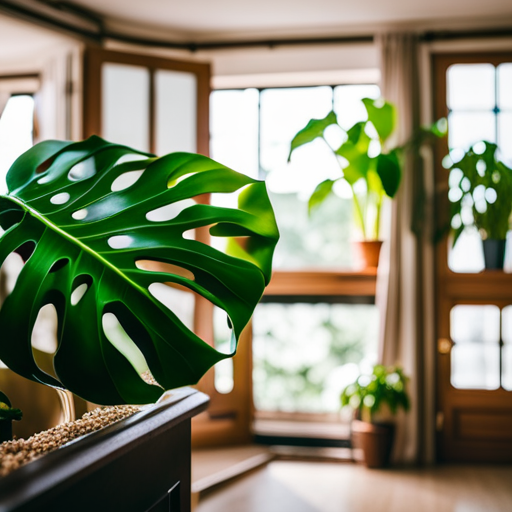
Monstera Deliciosa belongs to the Monstera genus, which includes various species and cultivars. Each type exhibits unique foliage patterns and characteristics, making them captivating additions to any plant collection.
Monstera Deliciosa (Swiss Cheese Plant): The most well-known member of the Monstera genus, Monstera Deliciosa, is recognized for its iconic heart-shaped, perforated leaves that resemble Swiss cheese. This tropical beauty is popular as a houseplant due to its striking appearance and relatively easy care requirements.Monstera Deliciosa Albo Variegata: The star of the variegated Monstera world, the Albo Variegata, boasts creamy white variegation splashed across its deep green leaves. As mentioned earlier, this rarity is highly sought-after and cherished by plant enthusiasts for its unique and exquisite appearance.
Monstera Adansonii (Swiss Cheese Vine): Often mistaken for Monstera Deliciosa, the Monstera Adansonii is a vining plant with smaller, more elongated leaves adorned with fenestrations. Its delicate and dainty appearance makes it a charming addition to hanging baskets or trellises.
Monstera Thai Constellation: This captivating variety displays creamy variegation with dark green speckles, resembling stars in a night sky. The Thai Constellation Monstera has gained immense popularity for its celestial beauty and is a highly prized collector's item.
Monstera Obliqua (Swiss Cheese Plant Monkey Mask): Known as one of the rarest and most challenging Monstera species to find, the Monstera Obliqua features extremely fenestrated leaves with delicate, elongated holes. Due to its rarity, there is some confusion in the market, and some plants sold as Monstera Obliqua might actually be Monstera Adansonii with highly fenestrated leaves.
Monstera Karstenianum (Monstera Peru): This lesser-known species exhibits small, heart-shaped leaves with pronounced fenestrations. Monstera Karstenianum's leaves have a velvety texture, adding a unique touch to its overall appearance.
Monstera Siltepecana: With elongated leaves and striking silver vein patterns, Monstera Siltepecana is a true beauty. Its elegant foliage and trailing growth make it an eye-catching addition to hanging planters or shelves.
Monstera Epipremnoides: Also known as the "False Monstera" due to its resemblance to Monstera species, this plant has elongated, fenestrated leaves, but it belongs to a different genus. Its similarities to Monstera plants make it an attractive choice for those seeking the Monstera look in a different package.
Monstera Standleyana (Philodendron Cobra): Often confused with Epipremnoides, Monstera Standleyana boasts narrow leaves with striking fenestrations resembling cobra prints, adding a touch of intrigue to any indoor jungle.
Monstera Dubia: This lesser-known species showcases delicate, heart-shaped leaves with subtle fenestrations, making it a delightful and unique find for plant enthusiasts.
As you can see, the Monstera genus is rich with diversity, offering a wide array of fascinating foliage patterns and characteristics. Each type of Monstera has its allure, and plant enthusiasts often find joy in discovering and caring for these captivating specimens.
How Often Should I Water Monstera Plants?
Monstera plants should be watered when the top inch of the soil feels dry. The frequency of watering will vary based on factors such as temperature, humidity, and the plant's size.
Albo Monstera Propagation and Pruning
Monstera plants can be propagated through stem cuttings and benefit from occasional pruning to maintain their shape and encourage new growth.
How toxic is Monstera to cats?
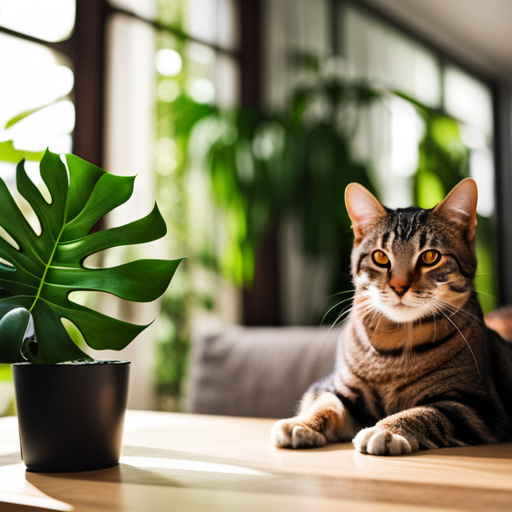
Monstera plants, including the popular Monstera Deliciosa and other species, contain calcium oxalate crystals. These crystals can cause irritation and discomfort if ingested by cats or other pets. When a cat chews on or ingests parts of the Monstera plant, it can lead to various symptoms of toxicity.
Oral Irritation: The calcium oxalate crystals present in the plant can cause oral irritation, leading to excessive drooling, pawing at the mouth, and difficulty swallowing.
Gastrointestinal Upset: Ingesting Monstera leaves or stems can cause gastrointestinal upset in cats. This may result in symptoms such as vomiting, diarrhea, or stomach discomfort.
Swelling and Inflammation: The crystals can trigger inflammation and swelling in the mouth, tongue, and throat, making it painful for the cat to eat or drink.
Respiratory Distress: In some cases, if a cat chews on a Monstera leaf and ingests a significant amount of the plant material, it may lead to respiratory distress, especially if the airway becomes inflamed.
It's essential to keep Monstera plants and other toxic houseplants out of reach of curious pets to prevent accidental ingestion. If you suspect your cat has ingested any part of a Monstera plant or is displaying symptoms of toxicity, contact your veterinarian immediately for proper guidance and treatment.
Remember, while Monstera plants are a beautiful and popular choice for many plant lovers, they can pose a risk to the well-being of our furry friends. Pet safety should always be a top priority when introducing new plants into a household with pets.
How do you know if my monstera needs water?
A dry top inch of the soil and slightly droopy leaves are indications that your Monstera may need watering. However, it's crucial to avoid overwatering, as it can lead to root rot.
Should I mist my monstera deliciosa?
Misting is a common practice among plant enthusiasts, especially for tropical plants like Monstera. However, misting Monstera plants may not be as beneficial as commonly believed, and it's essential to understand the reasons behind misting and its potential impact on the plant's health.
Humidity Enhancement: One of the main reasons people mist their Monstera plants is to increase humidity around the foliage. Monstera plants, being native to tropical regions, appreciate higher humidity levels. Misting can help create a temporary boost in humidity, which may be beneficial, especially in dry indoor environments.
Limited Effectiveness: While misting can raise humidity in the immediate vicinity of the plant, it has limited effectiveness in raising overall humidity in a room or space. The water droplets from misting tend to evaporate quickly, providing only a brief increase in humidity.
Risk of Overwatering: Over-misting can lead to excessive moisture on the leaves and soil, potentially causing root rot and other fungal issues. Monstera plants prefer well-draining soil and should not be subjected to constantly wet conditions.
Preference for Consistent Humidity: Monstera plants, like many other tropical plants, prefer consistent humidity levels rather than rapid fluctuations. Instead of relying solely on misting, providing a humidifier or placing a humidity tray nearby can offer more consistent humidity for the plant.
Focus on Root Zone Humidity: While misting the foliage may have limited benefits, paying attention to the root zone's humidity is more crucial for the plant's well-being. Ensuring that the soil remains evenly moist, but not waterlogged, is vital for Monstera's health.
Aesthetic Appeal: Some people also mist their Monstera plants for aesthetic reasons, as the water droplets on the leaves can create a pleasing visual effect. However, this should be done sparingly to avoid any negative impact on the plant's health.
In summary, misting can offer a temporary boost in humidity and add a visual appeal to your Monstera plant. However, it is not a substitute for providing consistent humidity and proper care. Focus on maintaining the right moisture levels in the soil and creating a suitable environment for your Monstera's overall health and growth.
What Do Monstera Deliciosa Flowers Look and Smell Like?
While it's a popular houseplant, it's rare for it to flower indoors, and most cultivated Monstera Deliciosa plants do not produce flowers under typical indoor conditions. However, in its natural habitat, the plant can produce flowers as it reaches maturity.
Appearance of Monstera Deliciosa Flowers: Monstera Deliciosa flowers are fascinating and visually striking. They are white and consist of a long, slender, finger-like structure called the spadix, surrounded by a large, showy bract known as the spathe. The spathe is typically cream or light green, creating a beautiful contrast against the white spadix.
Size and Location of Flowers: Monstera Deliciosa flowers can be relatively large, with some spathes measuring several inches in length. The flowers emerge from the leaf axils, which are the points where the leaves connect to the stem.
Scent of Monstera Deliciosa Flowers: The smell of Monstera Deliciosa flowers is often described as sweet and tropical. Some people compare the fragrance to a blend of pineapple and banana. The alluring scent attracts insects that help with pollination.
It's worth noting that while Monstera Deliciosa flowers are visually and aromatically pleasing, the primary reason people cultivate this plant is for its striking foliage rather than its flowers. The name "Deliciosa" comes from the fruit that this plant can produce, which is a sweet and edible tropical fruit. However, indoor-cultivated Monstera plants are unlikely to produce fruit unless they are grown in their natural tropical environment.
If you're lucky enough to witness Monstera Deliciosa flowers in their natural habitat or under specific horticultural conditions, you'll be treated to a truly mesmerizing sight and delightful tropical aroma.
What is the best soil?
The best soil for Monstera is a well-draining, nutrient-rich potting mix that replicates its natural tropical habitat. Here's a recommended soil mix for Monstera plants:
Peat-based Potting Mix: Start with a high-quality peat-based potting mix. Peat moss provides good water retention while allowing excess water to drain, preventing waterlogged soil.
Perlite or Pumice: Add perlite or pumice to the mix to improve aeration and drainage. This helps prevent the soil from compacting and ensures sufficient oxygen reaches the roots.
Orchid Bark: Including some orchid bark in the mix enhances drainage and adds air pockets to the soil, promoting root health.
Compost or Organic Matter: Incorporate some compost or well-rotted organic matter to enrich the soil with essential nutrients. This provides a good foundation for healthy growth.
Coco Coir: Adding coco coir can help retain moisture while still maintaining good drainage, contributing to a balanced soil environment.
Vermiculite (Optional): For added moisture retention, you can include a small amount of vermiculite. However, avoid overdoing it, as Monstera prefers well-draining soil.
Avoid Heavy Soils: Monstera plants dislike heavy, compacted soils that retain excessive water. Heavy soils can lead to root rot and other issues. The goal is to create a soil mix that provides adequate moisture without saturating the roots.
Check pH Levels: Monstera prefers slightly acidic to neutral pH levels (around 6.0 to 7.0). You can use a pH testing kit to ensure the soil's acidity is within the appropriate range.
Repotting Considerations: When repotting, choose a pot that is slightly larger than the current one to allow the roots to grow and expand. Avoid using pots that are too large, as they may lead to overwatering and hinder the plant's growth.
Remember to allow the top inch of the soil to dry out before watering again. Proper watering practices, along with a suitable soil mix, will contribute to a healthy and thriving Monstera plant.
How Long Does Monstera Deliciosa Bloom?
Monstera Deliciosa flowers can last for several weeks. However, they may not bloom regularly in indoor settings.
Does a monstera deliciosa need a moss pole?
Monstera plants and moss poles go hand in hand, creating a perfect partnership for healthy and aesthetically pleasing growth. Here's how moss poles benefit Monstera plants:
Support for Climbing: In their natural habitat, Monstera plants are climbers, using aerial roots to attach themselves to trees and other surfaces. Moss poles mimic this climbing environment, providing sturdy support for the Monstera to grow vertically.
Encouraging Bigger Leaves and Fenestrations: When Monstera plants have a moss pole to climb, they tend to develop larger leaves and more pronounced fenestrations (the iconic holes in the leaves). Climbing triggers the plant to produce larger and more mature leaves, adding to its overall beauty.
Aerial Roots Growth: Moss poles offer ample opportunities for Monstera plants to develop and anchor their aerial roots. These roots attach to the moist moss, providing additional support and hydration to the plant.
Creating a Lush Display: Monstera plants with moss poles create a lush and attractive display in any indoor space. The vertical growth and cascading foliage add a natural, tropical feel to your home or office.
Better Air Circulation: Moss poles provide space between the leaves, promoting improved air circulation around the plant. This helps reduce the risk of fungal issues and increases the overall health of the Monstera.
Easy to Install: Moss poles are relatively easy to install. Simply place the pole into the pot, close to the Monstera's base, and secure it to the pot if needed. As the plant grows, gently attach the stems and aerial roots to the pole using soft ties or twine.
Moss Pole Maintenance: To keep the moss pole effective, ensure it remains moist. You can mist it regularly or soak it in water to maintain the humidity that the Monstera enjoys.
In summary, providing a moss pole for your Monstera plant offers numerous benefits. It encourages healthy growth, supports climbing tendencies, and enhances the plant's overall appearance. If you want to see your Monstera thrive and display its signature fenestrated leaves to their fullest, a moss pole is a fantastic addition to your plant care routine.
Common Problems of Monstera Deliciosa
While Monstera houseplants are generally hardy and easy to care for, they can still face a few common problems. Understanding these issues can help you take proactive measures to keep your Monstera healthy and thriving:
Root Rot: Overwatering or poor drainage can lead to root rot, a fungal disease that affects the plant's roots, causing them to become mushy and black. To prevent root rot, ensure the soil is well-draining and avoid letting the plant sit in standing water.
Yellow Leaves: Yellowing leaves can be caused by various factors, including overwatering, underwatering, nutrient deficiencies, or pests. Monitor your plant's watering schedule, check the soil moisture, and inspect for any signs of pests.
Brown Leaf Tips: Brown leaf tips can result from low humidity, underwatering, or the buildup of salts in the soil. Mist the plant to increase humidity, water consistently, and consider using distilled water or rainwater to avoid salt buildup.
Pest Infestations: Monstera plants can attract common houseplant pests like spider mites, mealybugs, and scale insects. Regularly inspect your plant for any signs of pests and take prompt action to eliminate them using appropriate methods, such as neem oil or insecticidal soap.
Yellowing of Variegated Leaves: Variegated Monstera plants may experience yellowing or loss of variegation if they receive too much direct sunlight. Ensure they are placed in bright indirect light to preserve their beautiful patterns.
Leggy Growth: If your Monstera becomes leggy with elongated stems and sparse foliage, it may be an indication of insufficient light. Move the plant to a brighter location to encourage compact and healthy growth.
Leaf Holes: While fenestrations (holes in the leaves) are a characteristic feature of Monstera Deliciosa, excessive leaf damage or holes can be caused by improper watering, pests, or physical damage. Assess the cause and address it accordingly.
Limp or Wilting Leaves: Limp or wilting leaves can result from underwatering or overwatering. Check the soil moisture and adjust your watering routine accordingly.
Pale Leaves: Pale leaves may indicate a lack of nutrients, particularly nitrogen. Consider using a balanced fertilizer to provide essential nutrients to your Monstera.
Slow Growth: Slow growth can be due to various factors, including low light, improper watering, or lack of nutrients. Ensure your plant is receiving adequate light and water, and consider fertilizing occasionally to support healthy growth.
By being observant and addressing these common issues promptly, you can help your Monstera thrive and enjoy its lush foliage for years to come. Regularly inspecting your plant and adjusting its care based on its needs will contribute to a happy and healthy Monstera houseplant.
What are the plant's temperature needs?
Monstera Deliciosa thrives in temperatures between 65°F to 85°F (18°C to 29°C). Avoid exposing it to extreme cold or hot conditions.
Why don't my monstera deliciosa leaves have holes?
If your Monstera Deliciosa leaves don't have holes or fenestrations, there could be several reasons for this:
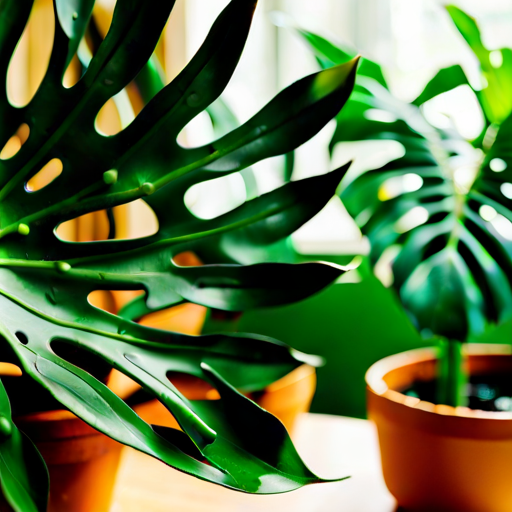
Plant Age: Young Monstera plants often have leaves without holes. As the plant matures and grows, new leaves are more likely to develop the characteristic fenestrations.
Light Intensity: Fenestrations are more pronounced in leaves that receive bright indirect light. If your Monstera is not getting enough light or is in a low-light environment, it may not produce as many or as prominent holes in its leaves.
Variegated Varieties: Some variegated Monstera varieties, such as the Monstera Deliciosa Albo Variegata, may have reduced or no fenestrations due to the variegation affecting the leaf structure. Variegated leaves may have less chlorophyll, affecting their ability to produce holes.
Watering and Humidity: Inconsistent or improper watering, as well as low humidity levels, can impact the plant's growth and leaf development. Providing the right amount of water and maintaining adequate humidity can encourage the formation of fenestrations.
Nutrient Deficiencies: A lack of essential nutrients, particularly calcium and magnesium, can affect leaf development. Using a balanced fertilizer can help address nutrient deficiencies and promote healthier growth.
Genetics: Some Monstera plants may naturally have fewer or no holes in their leaves due to their genetics. Each plant is unique, and certain individuals may exhibit different leaf patterns.
Environmental Stress: Environmental stressors, such as extreme temperatures or fluctuations, can affect leaf development. Ensure your Monstera is in a stable and suitable environment to promote healthy growth.
If your Monstera is otherwise healthy and thriving, and its new leaves are growing well, it's likely just a matter of time before it starts producing fenestrated leaves. Providing adequate light, water, and care will help your Monstera develop its iconic holey leaves as it matures. Remember that plants can take time to adjust and adapt to their surroundings, so be patient and continue to provide optimal care for your Monstera Deliciosa.
Is a monstera hard to keep alive?
With the right care and environment, Monstera Deliciosa can be relatively easy to care for, making it a popular choice among plant enthusiasts.
Propagating Monstera Deliciosa
Monstera Deliciosa can be propagated through stem cuttings placed in water or well-draining soil mix until roots develop.
Is my monstera deliciosa going to grow fruit?
Given the right conditions and maturity, Monstera Deliciosa may produce edible fruit that resembles a large green corn cob.
Potting and Repotting Monstera Deliciosa
Repotting is necessary when the plant outgrows its current container. Choose a slightly larger pot with good drainage and fresh soil mix.
What fertilizer should I use for a monstera?
A balanced liquid fertilizer can be applied during the growing season to provide essential nutrients for Monstera Deliciosa.
What are the brown things growing out of my monstera?
The brown structures growing out of your Monstera are likely aerial roots, which the plant uses to support itself and absorb moisture.
Yellow Leaves or Light Brown Spots
Yellow leaves or light brown spots on Monstera leaves can be caused by overwatering, direct sunlight, or nutrient deficiencies.
Propagating a monstera deliciosa cutting in water
Monstera Deliciosa cuttings can be propagated in water until roots develop before transferring them to soil.
Can monstera grow in low light?
While Monstera plants prefer bright indirect light, they can tolerate lower light conditions but may not exhibit as much growth or fenestrations.
Comments
Post a Comment