Are you eager to embark on the journey of cultivating your own flourishing garden space? This comprehensive guide is tailored for beginners, offering a systematic approach to kickstart step by step guide your gardening adventure. As you step into your garden, you might be greeted by tenacious weeds, exuberant plants, and long-forgotten pots that once cradled dreams of thriving tomatoes. Amidst this scene, you might contemplate not only the structural aspects of your own starting a garden, but also the structure of your life starting a garden. Dive into these steps and embrace the world of gardening without hesitation. Could this aspiration transform into reality? Disclaimer: This content may contain affiliate links. We advise reviewing our disclosure policies.

Choosing the Ideal Garden Location
Virtually every plant craves six to eight hours of sun daily. Therefore, closely monitor your backyard or garden's sunlight exposure throughout the day, evaluating whether it receives full sun or partial sunlight. Don't fret if your backyard or yard seems predominantly shaded; solutions exist. Consult plant tags or seek advice from local garden center or experts to determine sunlight requirements. Opt for the flattest grass or terrain available, as dealing with a sloping lawn or garden can be labor-intensive, time-consuming, and potentially costly.
Containers or Raised Beds: Making the Right Choice
When planning your gardening approach, you have a range of options to consider, including cultivating a vibrant container garden, tending to individual herb, flower patches and fruit pots, or embarking on the careful construction of raised beds. The decision you make should be influenced by a blend of factors such as your garden's location, your growth objectives, and your available budget.
One essential aspect to keep in mind is the quality of the soil within your garden regularly chosen gardening space. Ensuring that the soil is nutrient-rich and suitable for your plants is crucial for their successful growth and development.
For instance, some gardeners opt for containers or individual pots for their flexibility and ease of management. These allow you to experiment with various plant varieties and placements, making it simpler to adapt to changing weather conditions or to relocate plants for better sunlight exposure.
On the other hand, raised beds can offer several advantages for specific situations. If the quality is poor, constructing raised beds enables you to control weeds and optimize the growing environment by filling them with high-quality potting soil and compost. Additionally, raised beds can elevate your experience, making it more accessible by reducing the need for bending or kneeling.
Ultimately, your choice between containers should be driven by a thoughtful assessment of your gardening goals and the unique attributes of your space. By considering factors like sunlight, drainage, water retention, and ease of access, you can create an environment in which your plants can thrive.
It's worth noting that gardening techniques, equipment and strategies are constantly evolving, with various companies and organizations playing a role in advancing innovative approaches. By staying informed about the latest developments, you can make informed decisions that align with your aspirations.
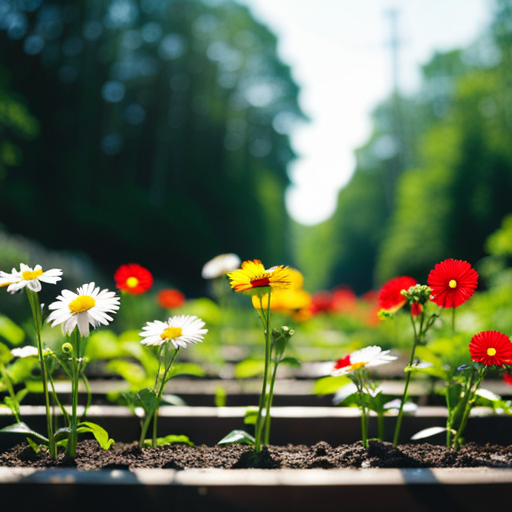
Preparing Planting Beds for Optimal Growth
Freshly planted saplings flourish in loose matter, enabling their delicate roots to access essential water and nutrients. The technique involves a combination of two methods: tilling the ground using a motorized garden tool, like a Roto tiller or manual digging. The former proves effective for substantial amendments, but it's essential to acknowledge potential long-term effects on soil structure. For manual digging when preparing beds, ensuring the surface is dry but soil moist and not overly parched. Working in excessively dry soil is arduous.
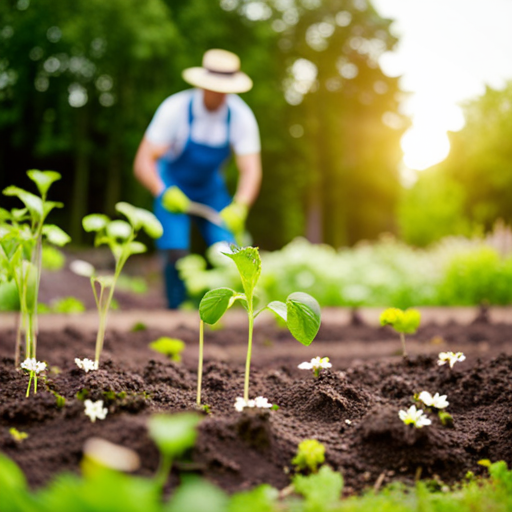
Selecting the Right Plants for Your Garden
Enthusiasts may spend months perusing catalog pages, while others enjoy trips to their local garden center and centers, selecting plants based on personal preferences. Regardless of your approach, prioritize plants, vegetables, herbs and flowers that thrive in your yard, local climate, soil type, and sunlight exposure. Don't overlook the convenience of online plant shopping. Below, find a selection of beginner-friendly plant varieties to eat:
Chives
Parsley
Cilantro
Basil
Grow Tomatoes
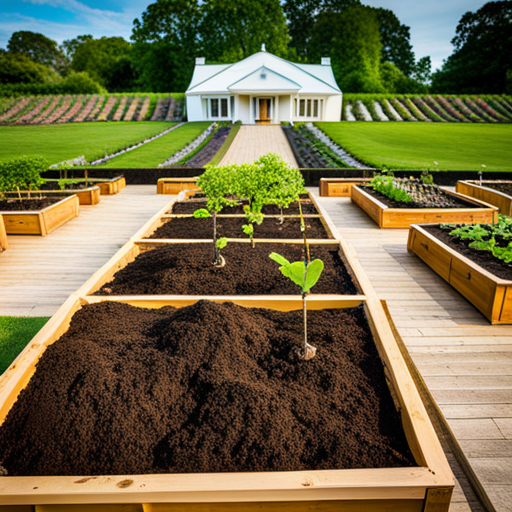
Enhancing Nutrient-Rich Soil
The key advantage of raised beds is to maintain their independence from existing quality. By adding ample soil and compost, you establish an ideal foundation for planting. This aspect is a budget-friendly facet of gardening. The required volume depends on your raised garden bed's size. For instance, a 4-foot by 1-foot garden bed only requires about 16 x 16 feet of material such as wood chips. As plants grow, incorporate compost to the roots and fortify a pH level soil test throughout their development. During this journey, add soil pH level amendments and organic fertilizers with the soil. Regular soil tests can gauge health.

Prioritizing Healthy TopSoil
At the heart of any successful gardening venture lies the art of cultivating healthy soil. Creating an environment outside plant that fosters the growth of life is pivotal for the development of nourishing soil. As Ben Fahrer, the skilled landscaper behind Top Leaf Farms and husband of Mary, confidently states, "We're embarking on this crucial stage." This journey involves not only establishing the soil test the right conditions for robust plant growth but also addressing the roles of weeds, roots, mulch, and organic matter in this process.
By tending to the ground and potting soil's conditions and taking deliberate steps to enrich the progress becomes an inevitable outcome. A diverse array of bacterial strains not only coexists but thrives harmoniously within this nurtured soil environment. Alongside this harmonious microbial community, it's important to manage the presence and spread of weeds and encourage healthy root systems to flourish. Through the thoughtful application of mulch and the incorporation of organic fiber matter, the soil's structure and fertility are further enhanced.
Weeds, often considered challenges, can also play a role in the ecosystem. While some may compete with desired plants for resources, others can act as indicators of soil conditions. Effective weed management techniques contribute to maintaining a balanced soil moist and fertile soil environment.
Roots, the anchors of plants, contribute to soil infrastructure and nutrient cycling. Their growth is influenced by the soil's composition, and networks.
Mulch serves as a protective layer that conserves moisture, regulates temperature, and suppresses weed growth. This layer also contributes to the gradual breakdown of organic materials, adding to the richness of the soil over time.
Lastly, organic matter acts as a source of nutrients, energy, and food for the soil's microorganisms. As organic fiber matter networks decompose, it releases valuable nutrients that nourish plants and contribute to the overall vitality of the soil ecosystem.
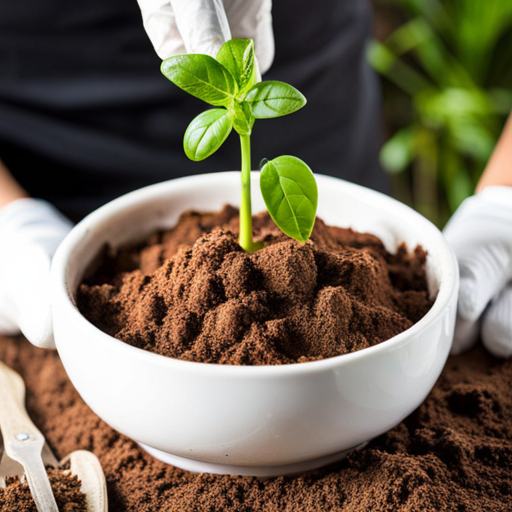
Sowing Seeds or Opting for Transplants
Decide whether it's time to sow seeds or transplant seedlings to grow your garden. Starting from seed packet or seeds can be cost-effective, though it requires patience. Anticipating seed establishment costs can be unpredictable. for example, this spring NPR's Becka Harlan shared her summer gardening aspirations. While chives, parsley, and cilantro require minimal attention, cultivating basil and tomatoes demands diligent care. Alternatively, explore seedlings or transplants. The process of growing food from seeds generally yields comparable results.
Efficient Watering with Automation
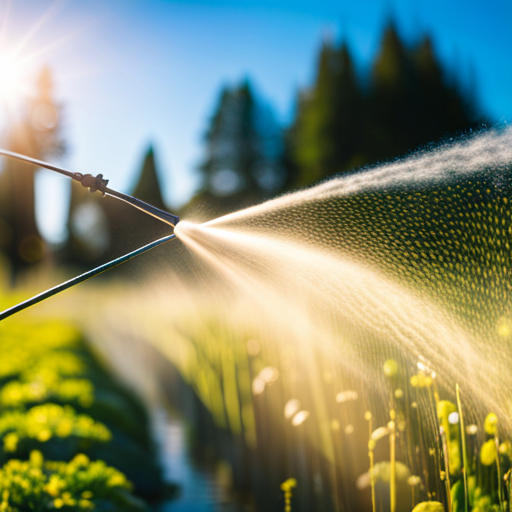
One of the key strategies to achieve efficient and effective gardening is by integrating automated watering systems into your routine. The process of establishing a comprehensive automated irrigation system for regular garden maintenance is surprisingly straightforward. By employing two-way hose splits, the process of watering newly planted seeds or developing seedlings becomes significantly streamlined. This section aims to provide an overview of the fundamental principles behind garden watering systems.
From a personal perspective, I place a strong reliance on irrigation grids within my setup. These grids play a pivotal role in ensuring that the vegetables cultivated within my raised beds receive the optimal amount of hydration they require to thrive. This systematic approach to irrigation not only simplifies the watering process but also contributes to the overall health and vitality of the plants.
It's important to recognize that efficient watering practices are not only beneficial for the plants but also contribute to water conservation efforts. Automated systems can be programmed to deliver precise amounts of water, reducing the risk of overwatering and water wastage. Furthermore, the regular and consistent hydration provided by these systems can lead to more robust plant growth and higher yields.
Incorporating automated watering systems is an investment in the sustainability and productivity of your garden. As technology continues to advance, there are a variety of options available, ranging from simple timers to sophisticated sensor-based systems that adjust watering based on weather conditions and soil moisture levels, nothing will ever feels dry. By embracing these innovations, you can ensure that your efforts are both efficient and environmentally responsible.
Follow Region-Specific Planting Guides
Achieving success in gardening hinges on precise timing. By following a reliable planting guide, the element of guesswork is eliminated. Local extension centers and nurseries provide specialized planting plans that align with your specific hardiness zone. For example, if you're situated in Arizona's Deserts, an available planting guide becomes an invaluable tool. Visual guides offer clear instructions cultivating fruit and vegetables.

Daily Engagement with Your Garden
Spend moments daily in your own vegetable garden, preferably during automated watering cycles. Regular monitoring your vegetable garden allows you to determine how to promptly address emerging issues. Detecting pests, diseases, or watering irregularities early enables effective intervention. Celebrate successes and learn from setbacks.
Consistent Garden Maintenance
As your garden thrives, consistent upkeep is vital. Water plants before their growth spurts, prevent weed seed formation outside plant them in good soil, and remove dead or diseased vegetation. Combat pests like tomato hornworms with worm-infused sprays or beneficial insecticides. Support tall plants with stakes, trellises, or pea teepees. Harvest your fruits, flowers, and vegetables at their peak and attentively nurture every aspect of your garden's progression.

Reliable Watering for Success
Simplify your spring and fall regimen with automated watering solutions, even though the initial setup might require some hard work. The world of automated irrigation offers user-friendly options that can greatly alleviate the task. Employing equipment using the dual-way hose system or splitters equipment streamlines the watering process, especially beneficial for tending to new plantings and young seedlings. In this segment, we delve into the fundamental principles of garden watering. From my own gardening experience, I have developed a preference for irrigation grids connecting my setup to the ground water source, thereby ensuring consistent hydration for my raised beds throughout the entire growing season
Key to success is recognizing that different plants have varying hydration needs. Tailoring your watering routine to match each plant's preferences ensures they receive the right amount of moisture for optimal growth.
Equally crucial is understanding your soil type. Whether it's fast-draining sandy soil or moisture-retentive clay, grasping how your soil holds and distributes water empowers you to water smartly.
Weather and sun dynamics also influence watering. The interplay of rainfall, humidity, sun and temperature affects both how much soil and quickly plants lose water, guiding when to water to avoid stress and maximize absorption.
Lastly, timing is an art. Watering during the cooler parts of the day minimizes water loss due to evaporation and enhances nutrient uptake, contributing to the overall health of your garden.
In conclusion
This comprehensive guide equips novice gardeners with essential tools and insights to nurture and plant roots into a thriving garden. By following these eight steps, you embark on a fulfilling journey of tending to plant life each growing season, enriching your outdoor haven, and amassing invaluable gardening tools and wisdom. Remember, gardening is a continuous learning experience—each accomplishment and setback contributes to your growth as a skilled gardener. Embrace this journey and savor the inherent beauty you're fostering in your garden.
Comments
Post a Comment