Backyard Furniture Ideas
Step into your empty backyard space – that blank canvas of outdoor potential – and envision a world of comfort, style, and relaxation. Your outdoor space is more than just a patch of grass; it's a place where memories are made, where laughter echoes, and where you can escape the hustle and bustle of everyday life. With a touch of imagination and the right furniture pieces, you can transform your empty backyard space into a haven that suits your style and needs.
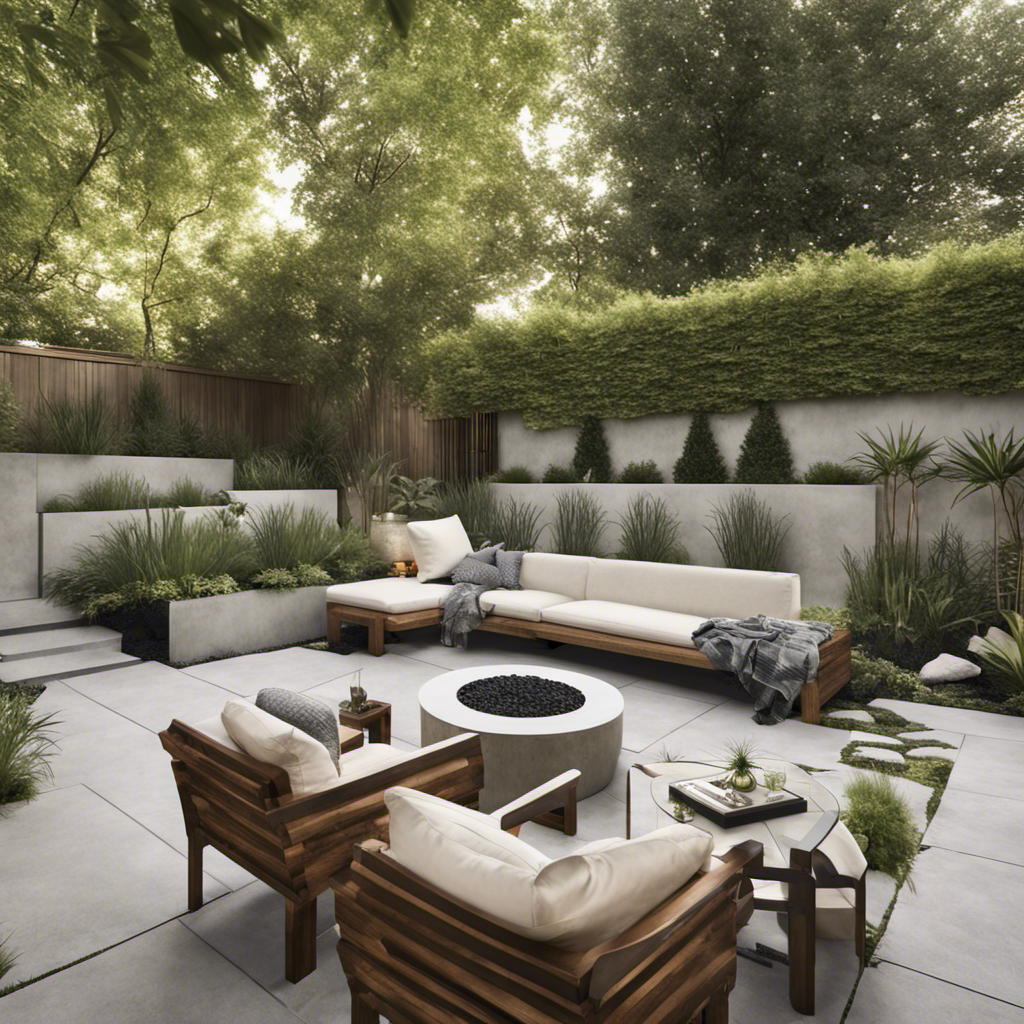
Cozy Lounge Retreat:
Transform your backyard into a cozy oasis by incorporating comfortable lounge furniture. Think plush cushions, oversized bean bags, and hammocks that invite you to unwind. Hang string lights or lanterns above to create a warm ambiance that's perfect for stargazing or enjoying a laid-back evening with friends. A fire pit in the center can add both warmth and a touch of rustic charm.
Dining Delight:
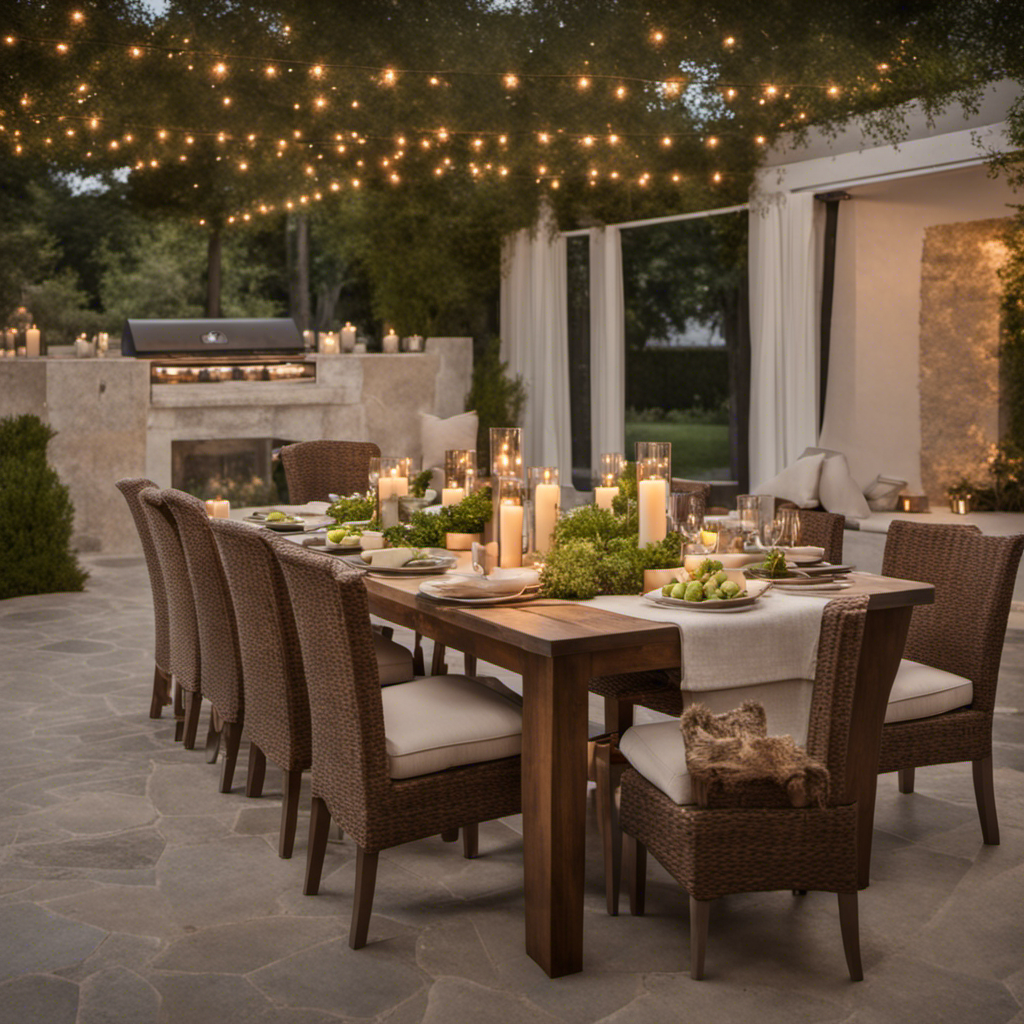
Take your outdoor dining experience to the next level with a dedicated dining and seating area. Opt for a stylish wooden or metal dining table surrounded by weather-resistant chairs. To add a touch of sophistication, consider a pergola or umbrella for shade, and don't forget about some strategically placed potted plants to infuse life into the space. This setup is perfect for hosting barbecues, brunches, or simply enjoying your morning coffee surrounded by nature.
Zen Zone:
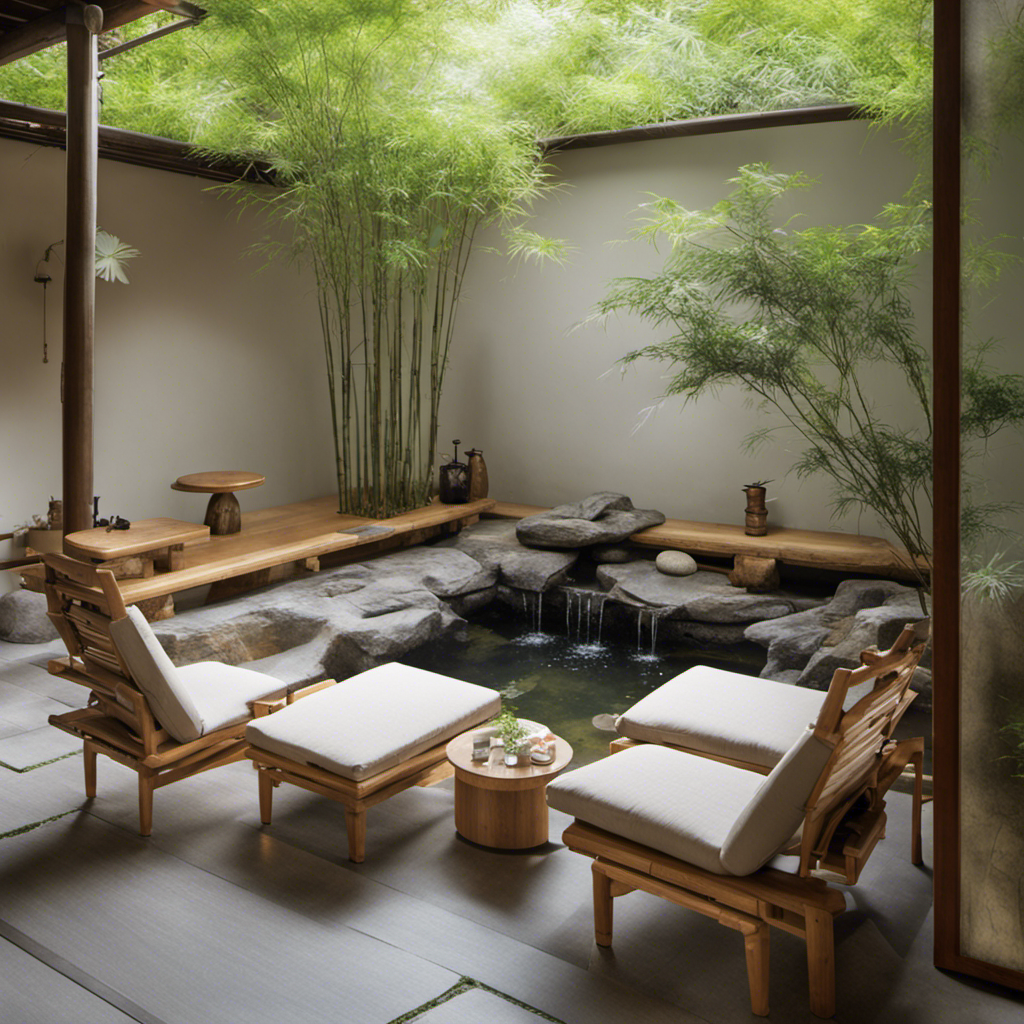
Create a serene and peaceful retreat by embracing a zen-inspired backyard design. Incorporate low-maintenance furniture such as bamboo or teak benches, complemented by a simple yet elegant stone fountain. Enhance the tranquility with the soothing sounds of wind chimes or gentle music playing softly in the background. Add a finishing touch with carefully selected plants like bonsai trees, ornamental grasses, and pebble pathways to complete the zen atmosphere.
Playful Haven:
If you have children or are simply young at heart, consider crafting a backyard that's brimming with fun and entertainment. Install a swing set, a trampoline, or even a mini climbing wall for the adventurous souls. Colorful and durable plastic furniture can create a playful atmosphere, while a sandbox or a water play area can keep the little ones engaged for hours. Remember to prioritize safety and make sure to choose materials that can withstand the elements.
Garden Nook:
For those with a green thumb, turn your backyard into a garden paradise that's both practical and beautiful. Incorporate a mix of wooden benches, garden stools, and wrought iron chairs nestled among lush plantings. Create various levels using flower beds or planters to add dimension and visual interest. Consider adding a trellis for climbing plants or a pergola for a shaded reading nook. This garden haven is the perfect space for enjoying the beauty of nature while sipping on your favorite herbal tea.
Whatever your personal style or preferences, there's a backyard outdoor furniture or idea waiting to be brought to life. By carefully curating the right outdoor furniture pieces and accessories, you can create a space in large backyard that reflects your lifestyle and offers a haven for relaxation, socializing, and enjoying the great outdoors.
Plant a living backyard wall
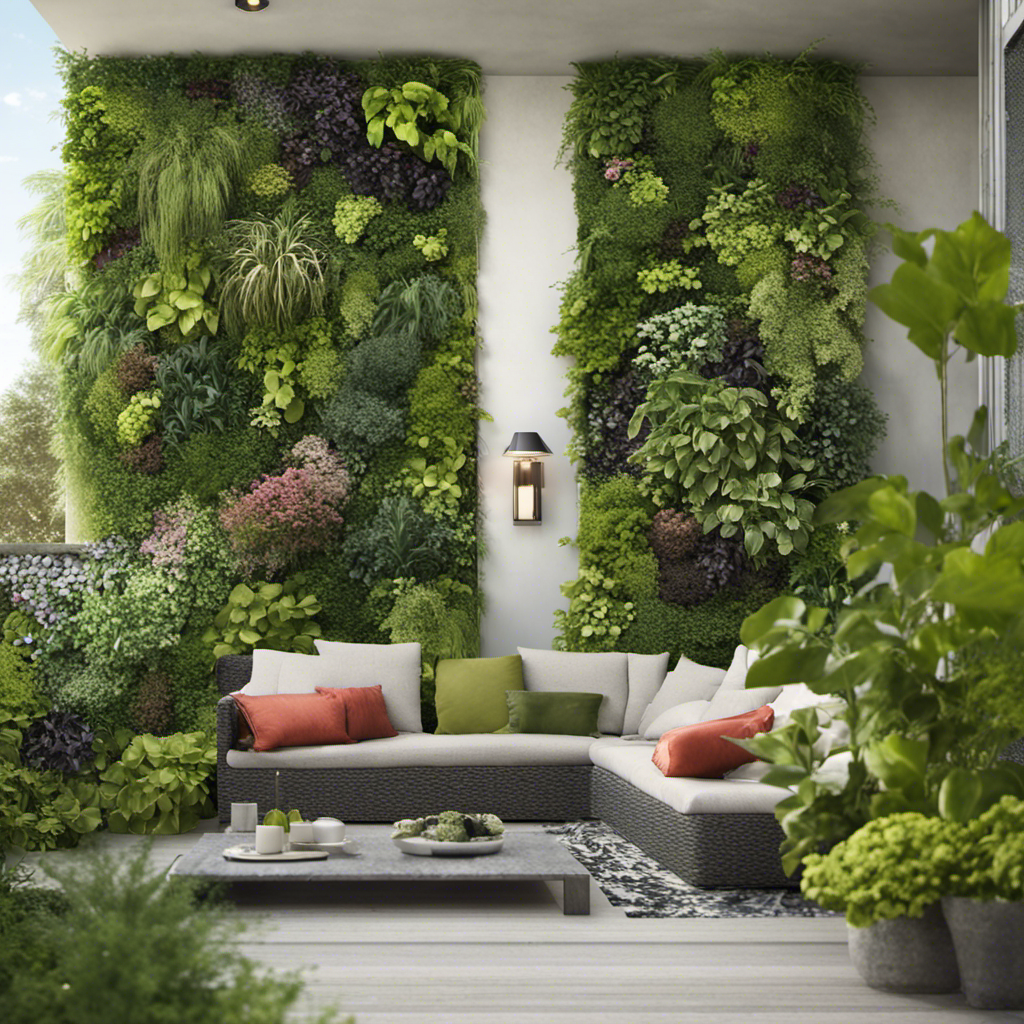
A living backyard wall, also known as a green wall or vertical garden, is a creative and sustainable way to add beauty, privacy, and a touch of nature to your outdoor space. Whether you have a small patio, a large garden, sprawling lawn, or a balcony, you can create a lush and vibrant living wall that transforms your surroundings. Here's a step-by-step guide to help you get started:
Choose the Location
Select a suitable spot for your outdoor living room or backyard side wall. Consider factors such as sunlight exposure, water availability, and structural support. Most plants used in living walls thrive in areas with partial to full sunlight.
Determine the Type of Living Wall
There are two main types of living walls: soil-based and hydroponic systems. Soil-based systems use pots, planters, or pockets filled with a growing medium. Hydroponic systems involve growing plants in a nutrient-rich water solution. Choose the one that fits your space and preferences.
Prepare the Structure
Depending on your chosen type of living wall, install the necessary supports and structure. For a soil-based system, mount planters or containers securely to the wall. In a hydroponic system, set up the irrigation and nutrient delivery system.
Choose Plants
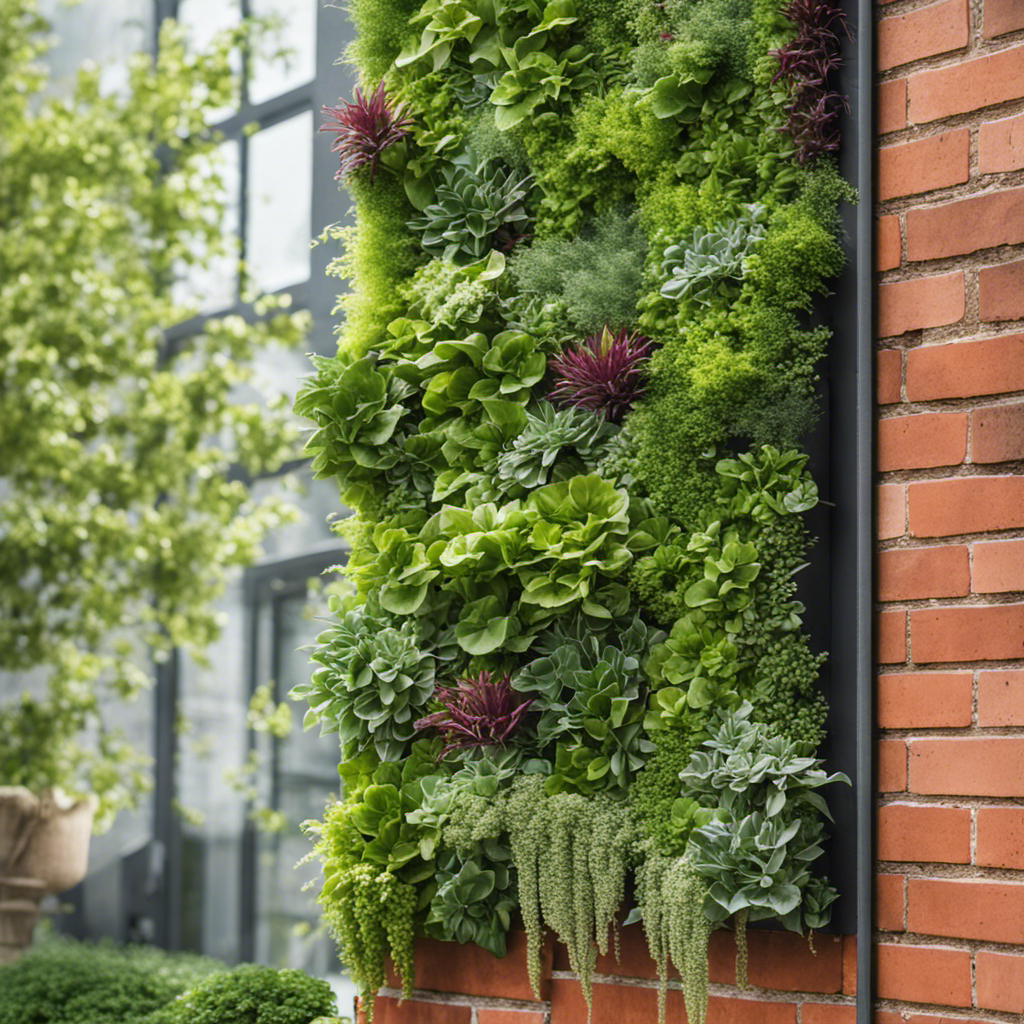
Select plants that are suitable for vertical growth and can thrive in the conditions of your chosen location. Opt for a mix of textures, colors, and foliage sizes for an appealing visual impact. Consider factors like sunlight, water needs, and climate when choosing plants.
Arrange and Plant
Arrange your chosen plants in a design that you find visually pleasing. Consider creating patterns, gradients, or clusters of plants for an interesting effect. Plant each plant according to its needs and the instructions provided.
Maintenance
Maintaining a living wall involves regular care:
Watering: Depending on your chosen system, water the plants adequately. Hydroponic systems require careful monitoring of the water and nutrient levels.
Pruning: Trim and prune plants as they grow to maintain the desired shape and prevent overgrowth.
Fertilizing: Provide necessary nutrients through fertilization as recommended for the plants you've chosen.
Pest Control: Keep an eye out for pests and address any infestations promptly.
Light: Ensure that your plants receive the appropriate amount of sunlight. Adjust their placement if necessary.
Suggested Plant Design Ideas
Herb Wall: Plant a variety of culinary herbs such as basil, thyme, rosemary, and mint. This not only adds a beautiful green element to your space but also provides fresh herbs for cooking.
Succulent Showcase: Create a low-maintenance living wall using an assortment of succulent species. Their unique shapes and colors will add a modern and trendy vibe.
Flower Garden: Incorporate colorful flowers like petunias, pansies, and impatiens for a vibrant and cheerful living wall that's in bloom all season.
Tropical Oasis: Choose tropical plants like ferns, palms, and bromeliads to create a lush and exotic atmosphere reminiscent of a tropical getaway.
Air Purifying Wall: Opt for air-purifying plants like pothos, snake plant, and spider plant to enhance the air quality in your outdoor space.
Edible Greens: Grow a variety of lettuce, kale, and other leafy greens for an edible and nutritious living wall.
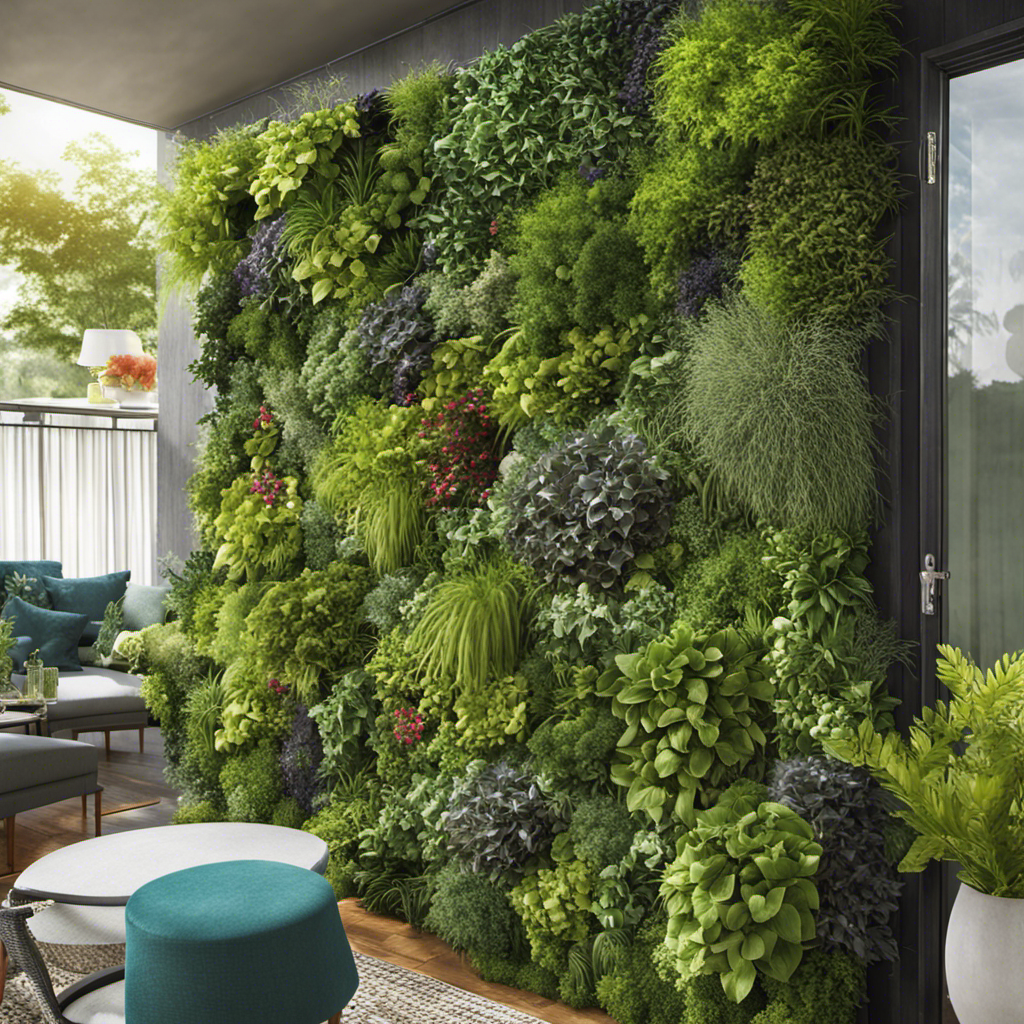
Remember that creating a living wall requires patience and attention to detail. Regular care and maintenance will reward you with a stunning and vibrant addition to your backyard that brings nature closer to home.
Easy Landscaping
Easy landscaping refers to the practice of designing and maintaining outdoor spaces in a manner that requires minimal effort and upkeep, making it accessible and enjoyable for individuals of all gardening skill levels. This approach emphasizes the use of low-maintenance plants, efficient irrigation systems, and well-thought-out hardscaping elements to create visually appealing and functional landscapes without the need for constant attention. The concept of easy landscaping is gaining popularity as more people seek to strike a balance between enhancing their outdoor environments and managing their busy lifestyles.
One of the key principles of easy landscaping is the careful selection of plants that thrive in the local climate and soil conditions. Native plants and drought-resistant species are often favored, as they typically require less water and maintenance. Incorporating groupings of plants with similar water and care requirements can also simplify maintenance tasks. Additionally, employing mulch and ground covers helps suppress weed growth and retain moisture, reducing the need for frequent weeding and watering.
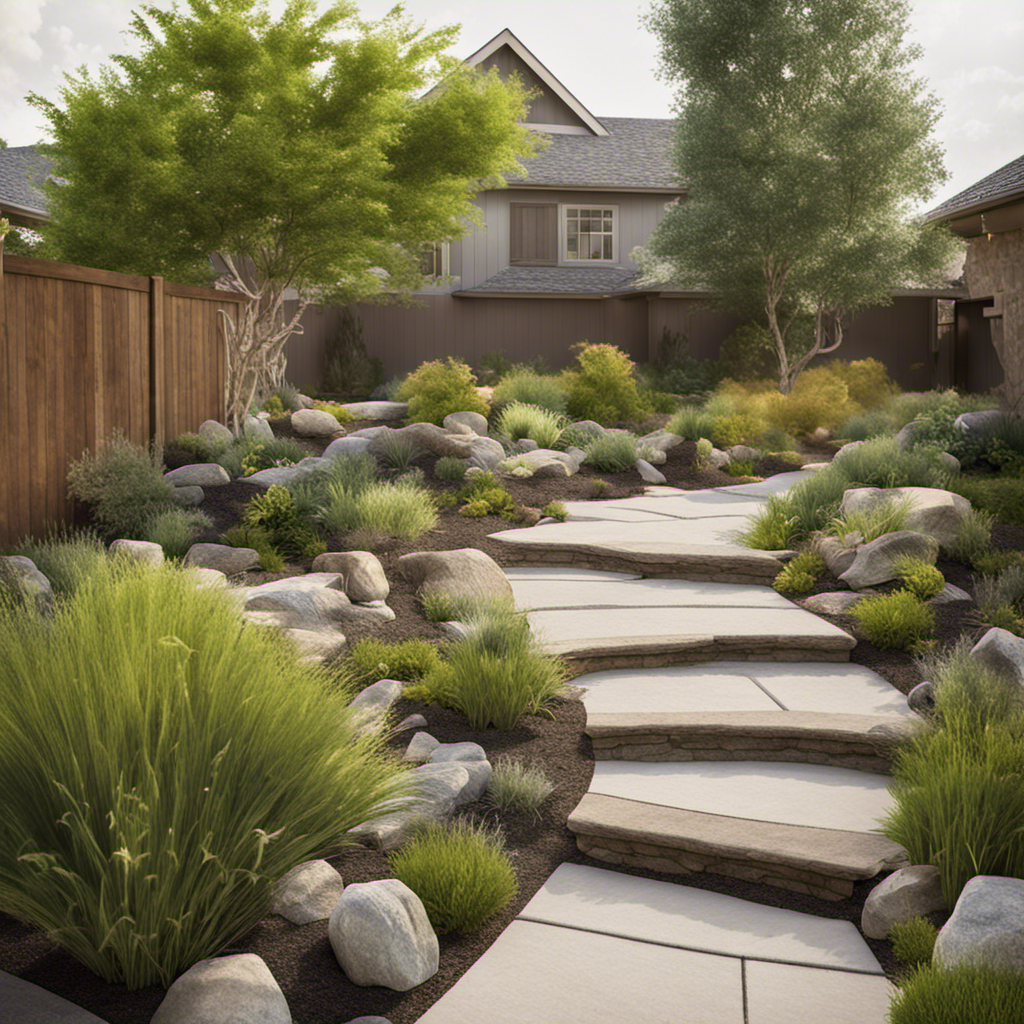
Hardscaping elements play a vital role in easy landscaping by providing structure and functionality to outdoor spaces. Patios, walkways, and seating areas can be strategically placed to enhance usability while minimizing the area that needs regular maintenance. Using permeable materials for hardscaping can help with water drainage and reduce runoff. By thoughtfully integrating these elements, homeowners can create inviting outdoor spaces that are not only visually appealing but also practical and easy to maintain.
In conclusion, easy backyard landscaping offers a practical solution for individuals who wish to enjoy a beautiful outdoor environment without the constant demands of traditional high-maintenance gardens. By combining thoughtful plant selection, efficient irrigation, and well-designed hardscaping, easy landscaping transforms outdoor spaces into havens of relaxation and enjoyment, requiring minimal effort to keep them looking their best. This approach to backyard landscaping not only aligns with modern lifestyles but also encourages a sustainable and eco-friendly approach to landscaping.
Design a small backyard carefully
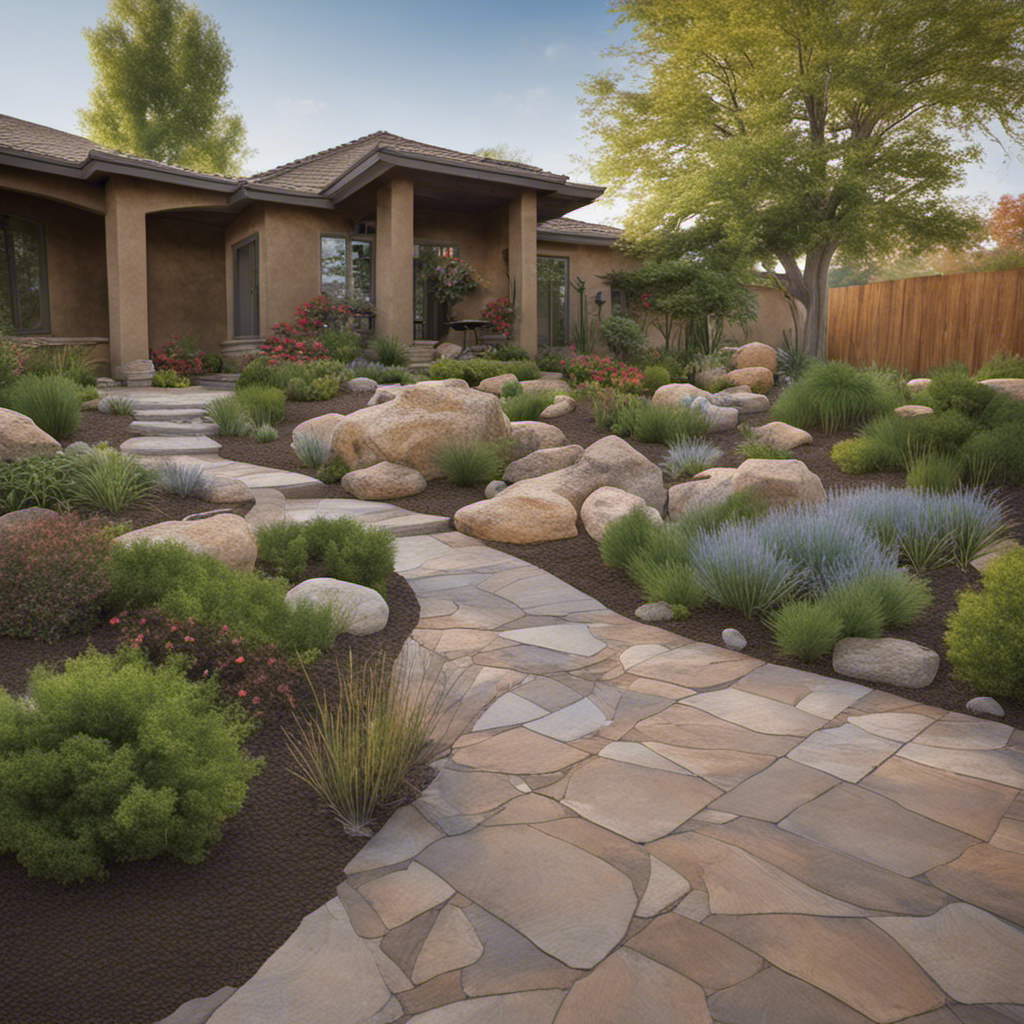
Designing a small backyard requires a thoughtful and strategic approach to maximize the use of space and create a visually appealing and functional outdoor oasis. Every element chosen should serve a purpose while maintaining a sense of calm atmosphere of balance and harmony. By carefully considering layout, plants, hardscaping, and focal points, a small backyard can be transformed into a cozy retreat that feels open and inviting.
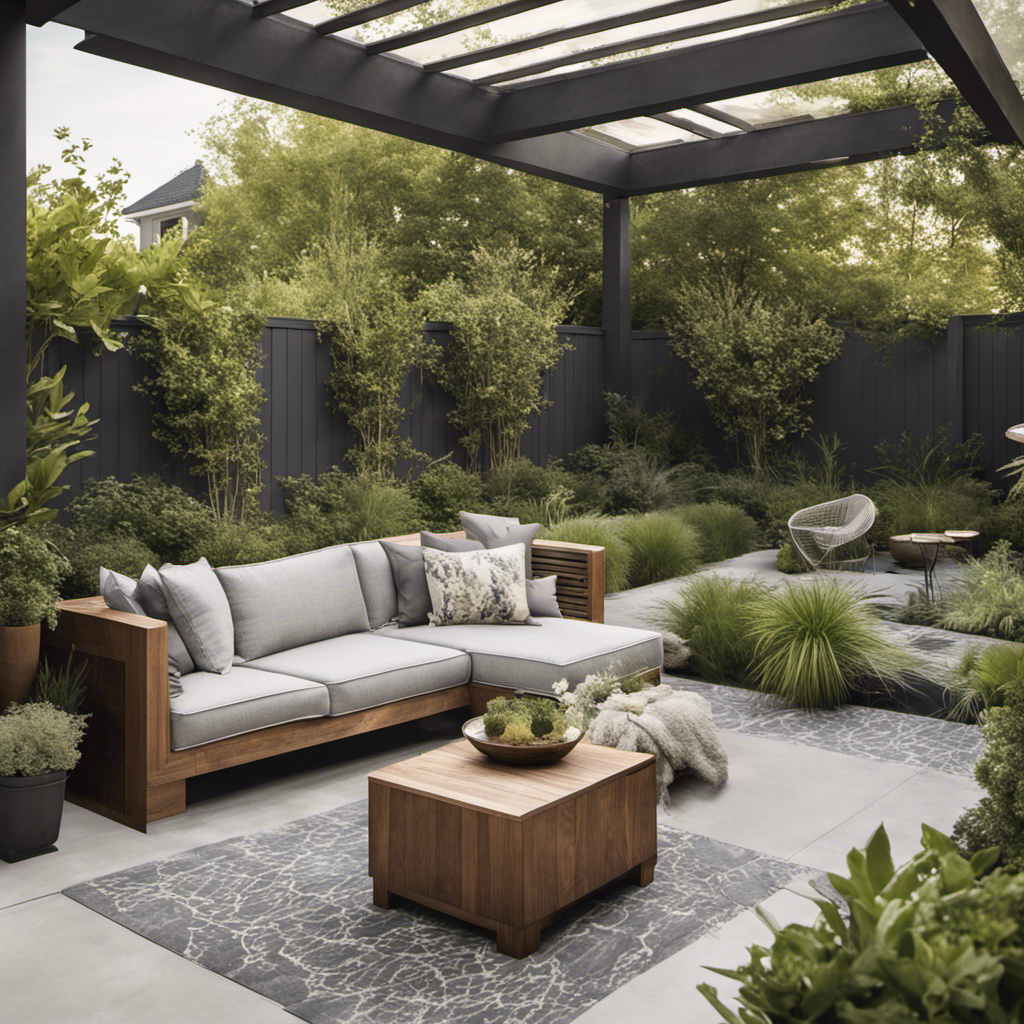
The layout of a small backyard is crucial in optimizing the available space. Creating distinct zones for different activities, such as lounging, a dining area, and gardening, can help organize the area effectively. Vertical space shouldn't be overlooked – utilizing walls, trellises, and hanging planters can add more greenery and interest without sacrificing floor space. Strategic placement of mirrors can create an illusion of greater depth and openness.
Plant selection in a small backyard should be focused on compact and multi-seasonal options. Container gardening or raised beds can accommodate various plants without overwhelming the area. Vertical gardens and tiered planters add visual interest while saving space. Using a cohesive color palette and repeating certain plants can create a sense of unity, making the space feel larger and more organized.
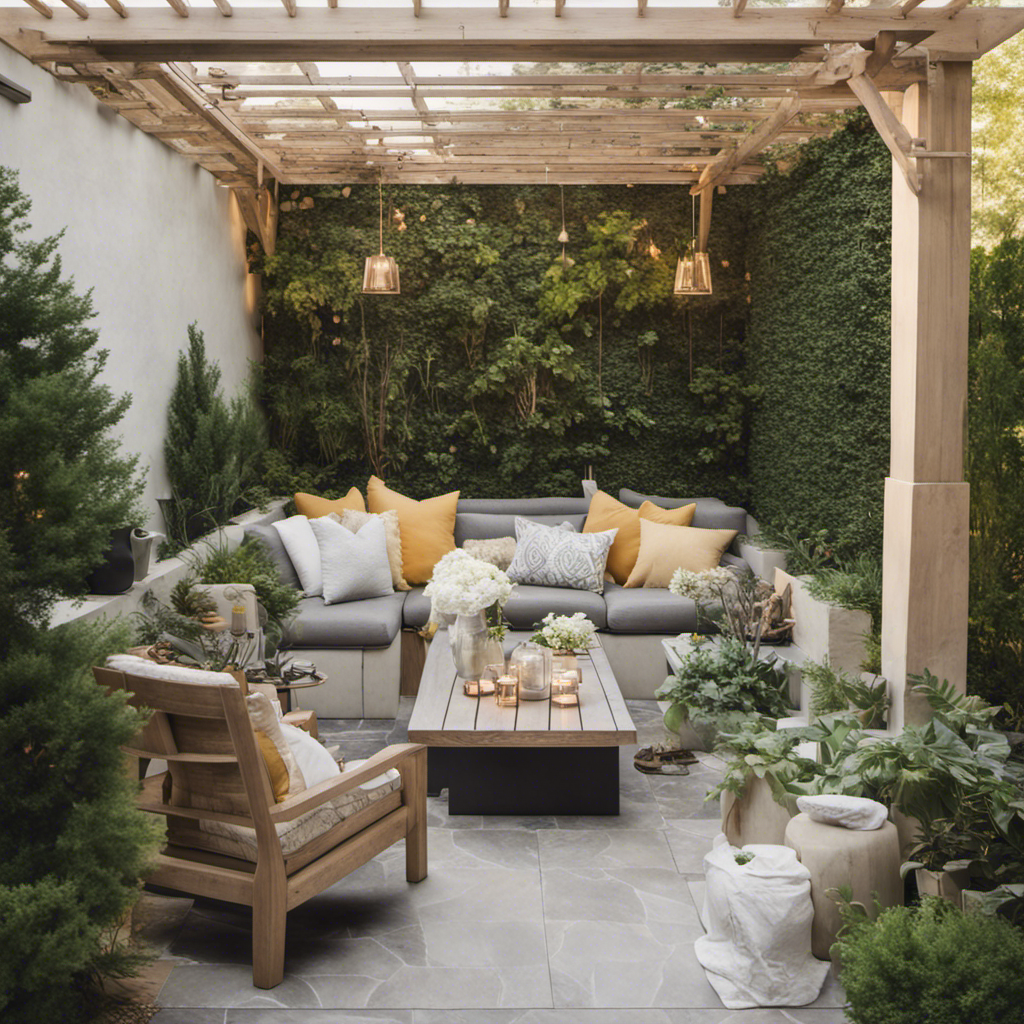
Hardscaping elements play a pivotal role in small backyard design. Opt for materials that visually blend with the surroundings, and consider using permeable surfaces that help manage water runoff. Multi-purpose furniture, like benches with storage, can serve both functional and aesthetic purposes. Incorporating a focal point, such as a small water feature or a sculpture, draws the eye and adds a sense of depth to the space.
In conclusion, designing a small backyard demands careful planning and attention to detail. By intelligently organizing the layout, selecting appropriate plants, incorporating practical hardscaping, and using creative focal points, a small backyard can be transformed into a captivating retreat that maximizes every inch of space. The key lies in striking a balance between functionality, aesthetics, and the unique characteristics of the space, ultimately creating a harmonious and inviting outdoor haven.
How do you make a backyard more interesting?
Infusing intrigue and charm into a backyard involves a combination of creativity, design elements, and thoughtful planning. By incorporating a mix of landscaping, hardscaping, focal points, and functional features, a backyard can be transformed into a captivating and engaging space that encourages relaxation and enjoyment.
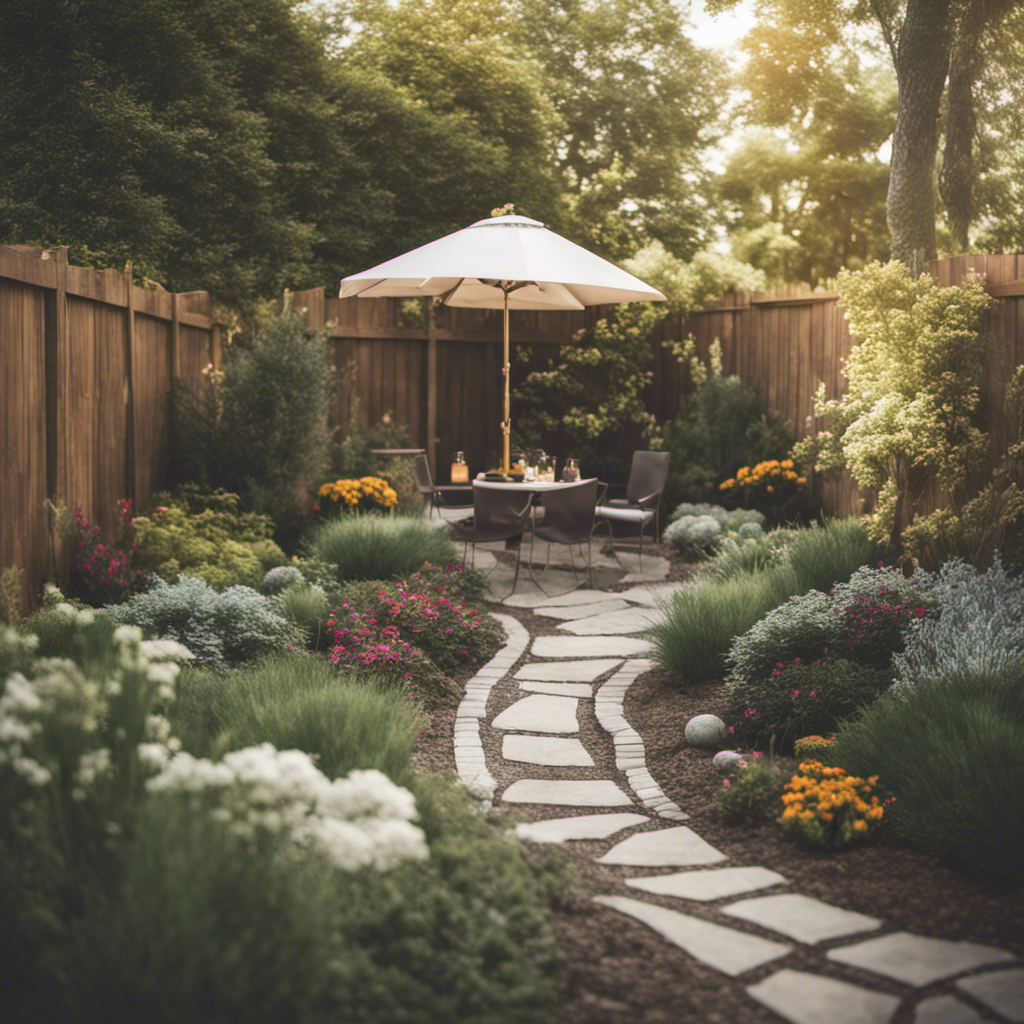
Landscaping plays a significant role in making a backyard more interesting. Consider a diverse selection of plants, including those with varying heights, textures, and colors. Create a blend of flowering plants, shrubs, and trees that provide year-round interest. Additionally, incorporating an edible garden or a vertical garden can add an element of surprise and engagement, as well as contribute to sustainability.
Hardscaping elements, such as pathways, patios, and additional seating and areas, can add structure and visual appeal. Experiment with different materials like pavers, gravel, or even recycled materials for a unique touch. Introducing outdoor lighting, such as string lights, lanterns, or even solar-powered path lights, can extend the usability of the space into the evening hours, creating a warm glow and a magical ambiance.
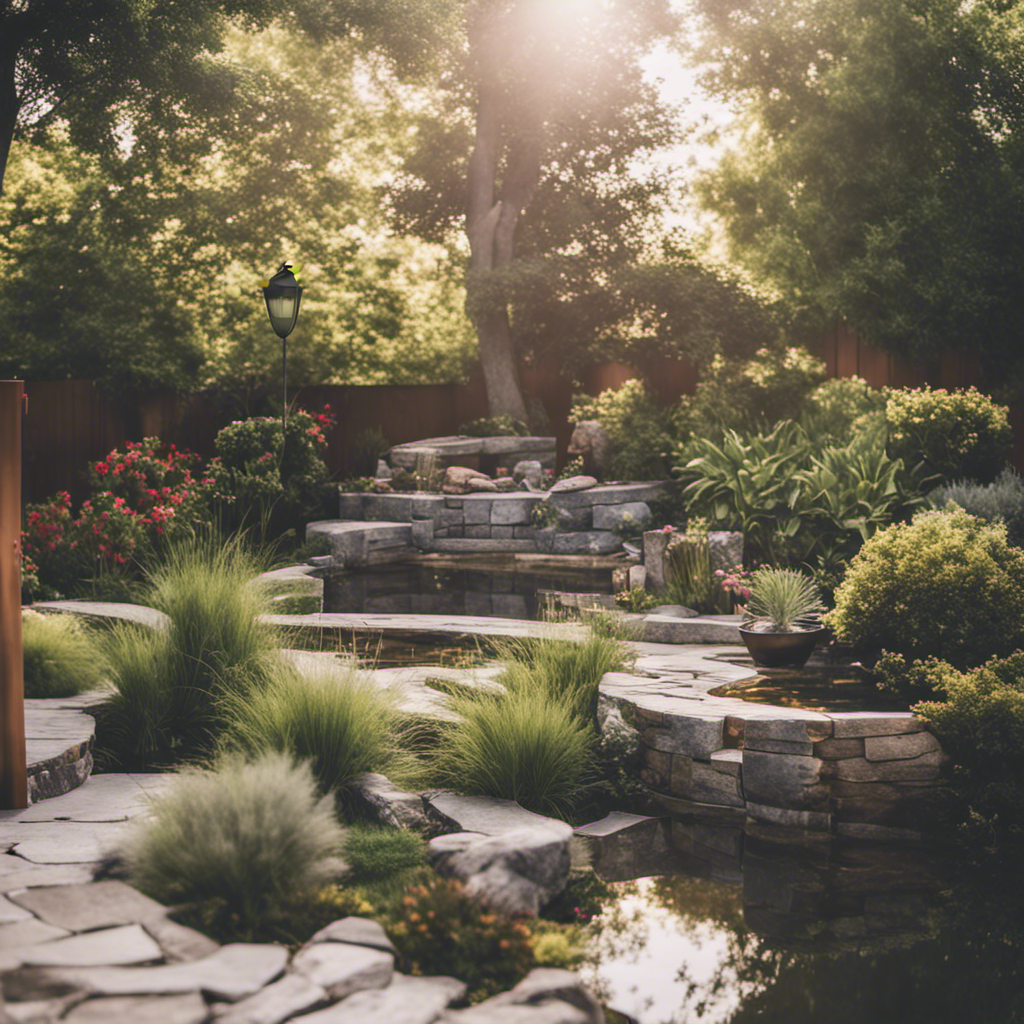
Focal points are essential for drawing attention and adding character to a backyard. This could be a water feature like a small pond or a cascading fountain, a statement sculpture, or an art installation. These elements serve as conversation starters and create visual interest, making the backyard a more dynamic and enchanting place to be.
Functionality is key to making a backyard interesting and enjoyable. Consider adding elements that cater to hobbies and interests, like a fire pit for cozy gatherings, a built-in grill for outdoor cooking, or a hammock for ultimate relaxation. Creating distinct zones for various activities adds depth and diversity to the space, ensuring there's always something new to explore.
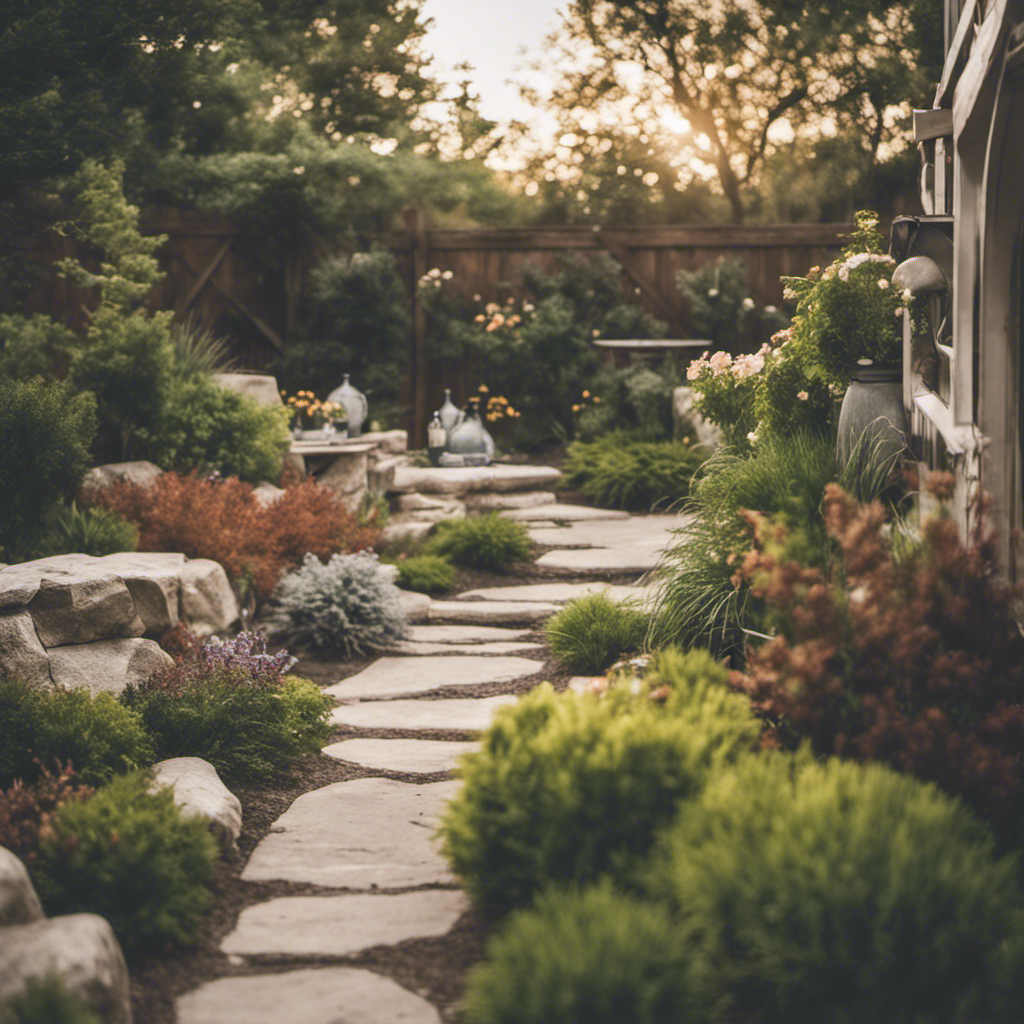
In conclusion, making a backyard more interesting involves a thoughtful blend of landscaping, hardscaping, focal points, seating area ambient lighting, and functional elements. By embracing a mix of textures, colors, and designs, and by incorporating engaging features and unique elements, a backyard can be transformed into a captivating outdoor haven that beckons people to explore, unwind, and connect with nature.
Pavers create walkways
Here's a list of various types of paver walkways that you can consider for your front yard, porch or outdoor space:
Traditional Brick Walkway:
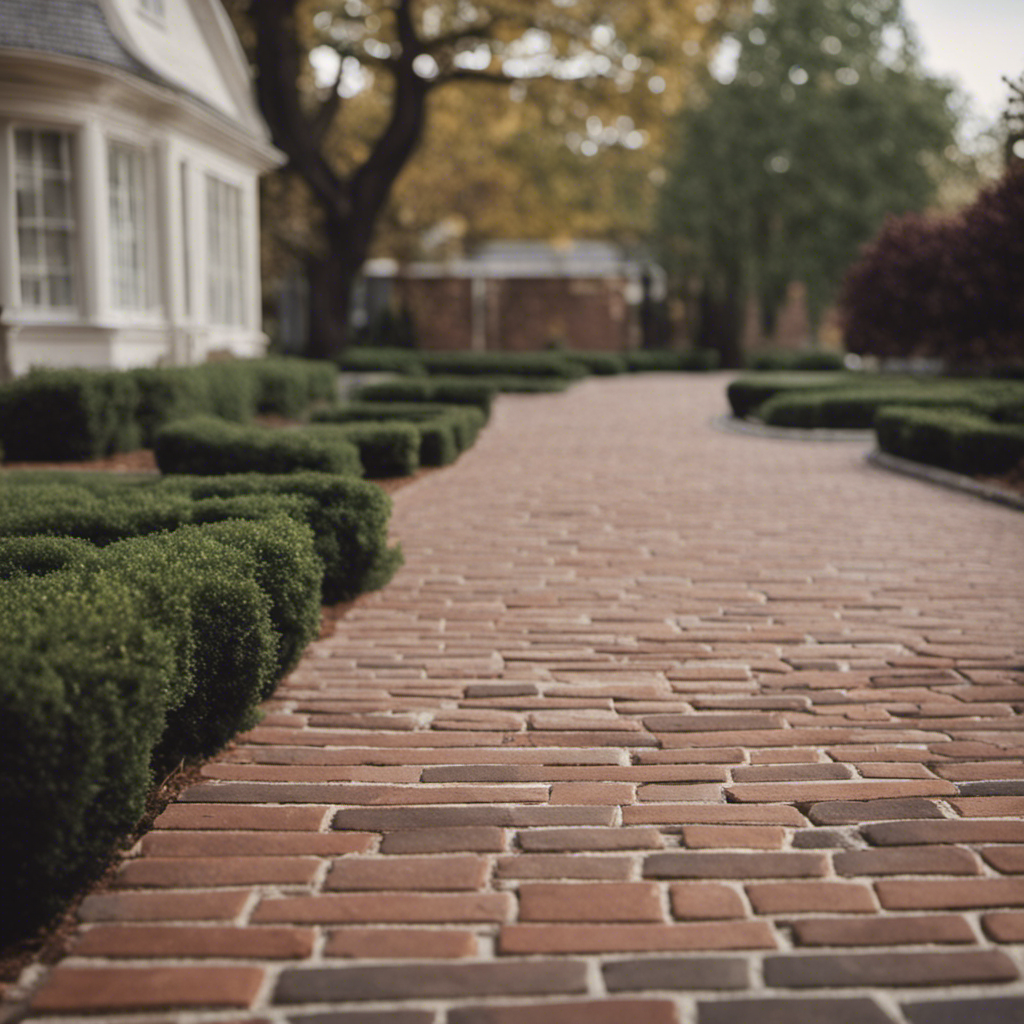
Classic and timeless, a brick walkway adds a touch of elegance to any landscape. With its charming appeal and various laying patterns like herringbone or basket weave, a brick walkway complements both historic and modern homes.
Concrete Paver Path:
Concrete pavers come in a wide range of shapes, sizes, and colors. You can create a very clean lines and contemporary look with large rectangular pavers or opt for a more intricate design using smaller pavers arranged in patterns like running bond or stack bond.
Natural Stone Walkway:
Using materials like flagstone, slate, or granite, a natural stone walkway offers a rustic and organic feel. Each stone is unique in shape and color, resulting in a pathway full of character and texture.
Cobblestone Path:
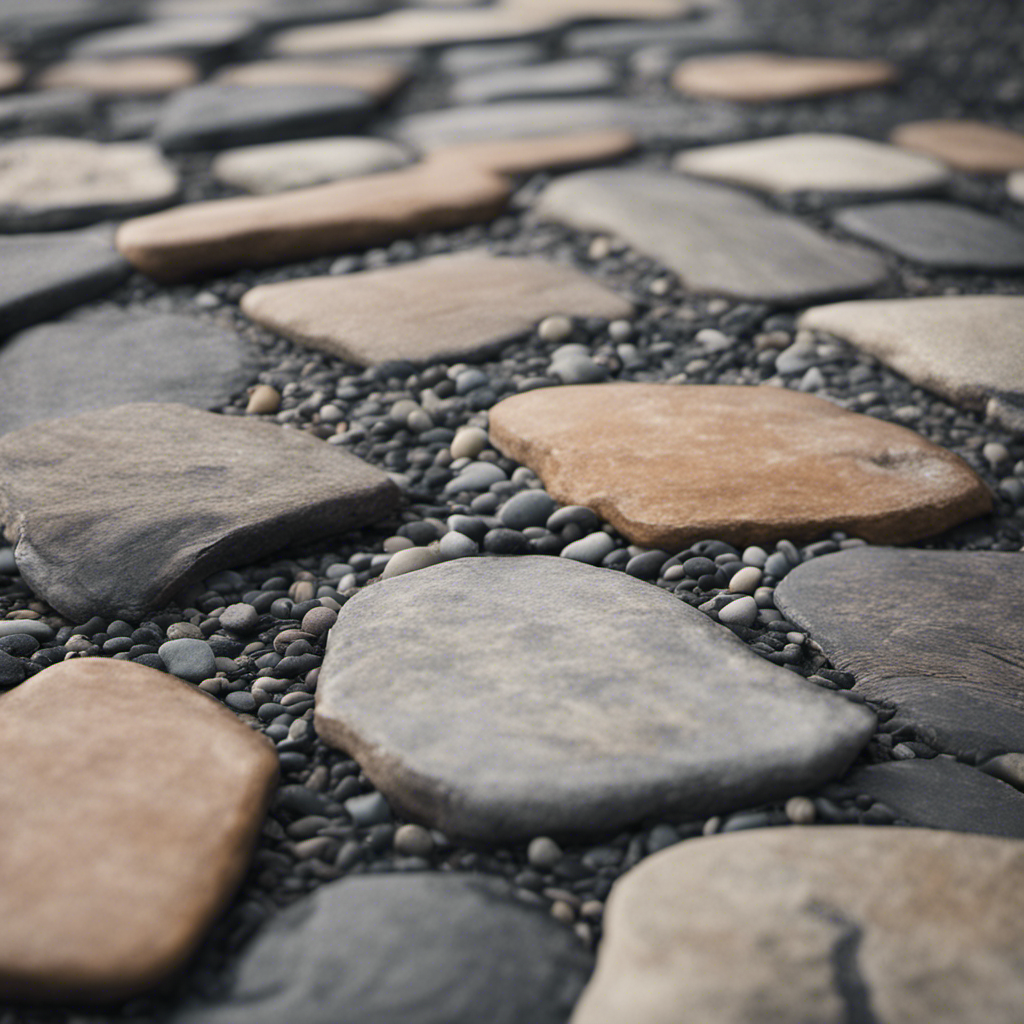
Cobblestone walkways exude old-world charm and durability. The rounded stones fit closely together to form a sturdy surface that's reminiscent of European streets, adding a sense of history to your own landscape design.
Permeable Paver Walkway:
Ideal for eco-conscious homeowners, permeable pavers allow rainwater to seep through gaps between the pavers, reducing runoff and helping groundwater recharge. These pavers are available in various materials, such as concrete or interlocking grids.
Gravel and Paver Hybrid Path:
Combining pavers with gravel creates a unique and visually appealing walkway. Pavers can serve as stepping stones through a gravel base, offering stability and contrast to the loose gravel texture.
Stepping Stone Walkway:
For a more informal and whimsical feel to secret garden, stepping stones made from concrete, natural stone, or even recycled materials can be placed strategically to guide visitors through your garden or front yard too.
Mosaic Paver Path:
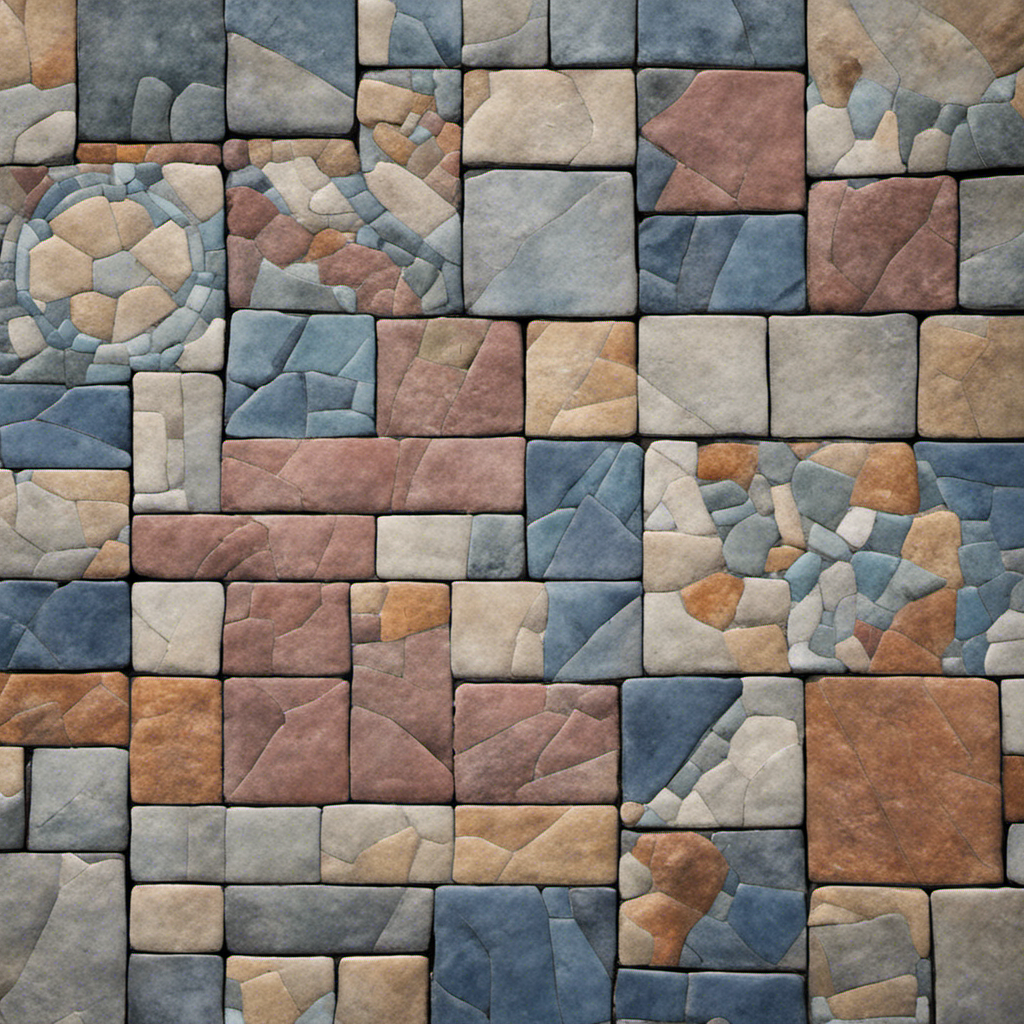
Get creative with mosaic pavers by arranging them to form intricate patterns, designs, or even images. Mosaic paver paths become artistic expressions that capture attention and tell a story.
Wood and Paver Blend:
Combine the warmth of wood with the durability of pavers by integrating wooden steps or platforms within a paver walkway. This fusion of materials adds a touch of organic beauty to your garden path.
Landscape-Integrated Paver Walkway:
Let your walkway seamlessly merge with the landscape by incorporating pockets for plantings or ground covers between the pavers. This approach softens the pathway and enhances the natural appeal of separate areas of green space.
Multi-Level Paver Steps:
If your landscape has varying elevations, consider creating a multi-level walkway using paver steps. This approach not only provides functionality but also adds visual interest to the terrain.
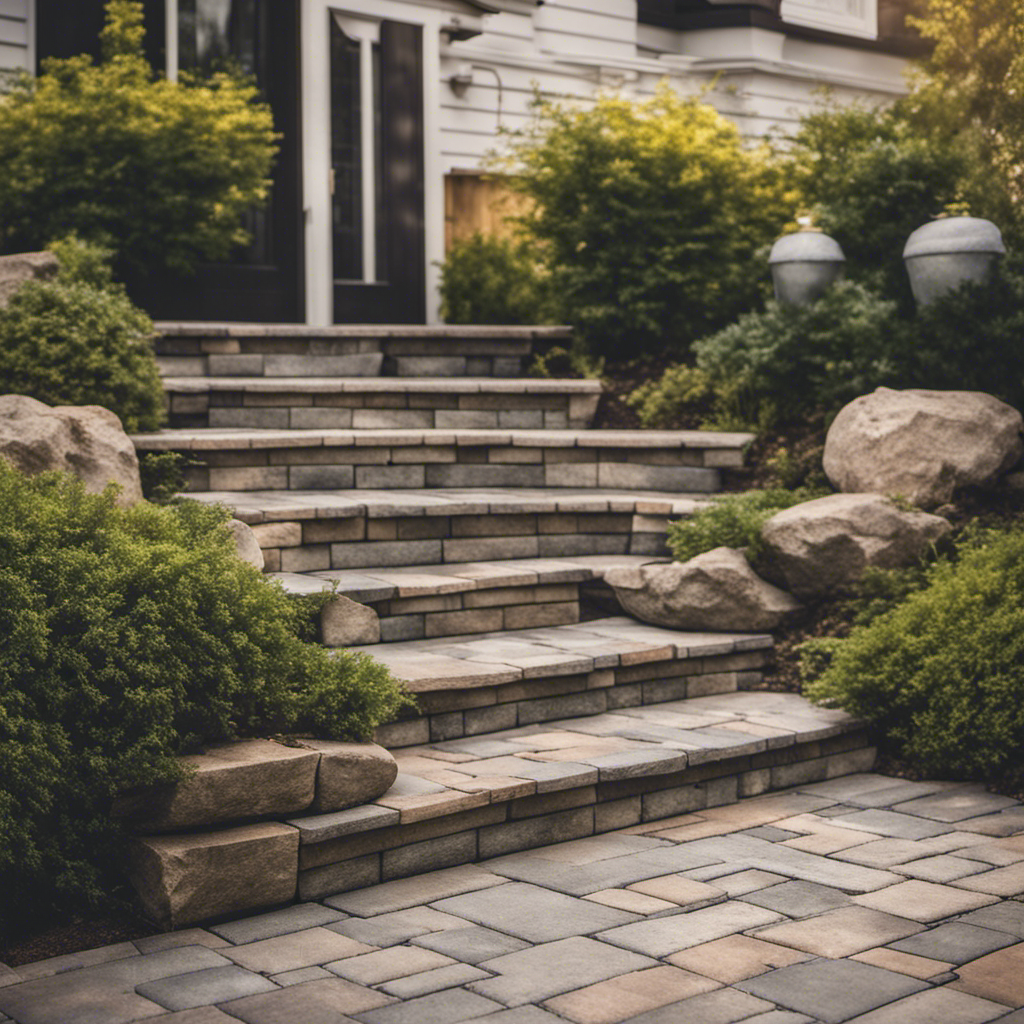
Circular Paver Path:
A circular paver path can become a central focal point in your backyard ideas show your landscape designer your own backyard too. This type of walkway design radiates symmetry and creates a sense of enclosure that draws attention to the center.
In conclusion, the type of paver walkway you choose can significantly impact the overall aesthetic and functionality of your outdoor space. From classic and traditional to modern and artistic, there are numerous options to suit your style and enhance the beauty of your landscape.
Retaining Walls Around Patios
Here are 6 ideas for incorporating retaining walls around patios:
Tiered Garden Beds: Create a visually stunning patio environment by incorporating tiered retaining walls that double as garden beds. These walls can hold a variety of plants, flowers, and even small shrubs, adding vibrant colors and textures to the patio area.
Built-In Seating: Utilize the retaining walls around your patio as built-in seating. Adding cushions or outdoor pillows can transform these walls into comfortable lounging spots for guests to enjoy while providing extra seating space for gatherings.
Fire Pit Integration: Enhance the ambiance of your patio by integrating a fire pit into a retaining wall. The wall not only provides seating but also offers a cozy and inviting atmosphere for evening gatherings around the warmth of the fire.
Water Feature Backdrop: Turn your retaining walls into a captivating water feature backdrop. Incorporate a cascading waterfall or a decorative water wall, creating a soothing and visually appealing focal point for the patio area.
Privacy Screen: If your patio area lacks privacy, consider using retaining walls to create a privacy screen. Plant tall, lush vegetation or install trellises for climbing plants to add a sense of seclusion while enhancing the beauty of the space.
Bar Counter: Transform your retaining wall into a functional bar counter. This idea is perfect for outdoor entertaining, allowing you to serve drinks and appetizers directly from the wall, making the patio an inviting spot for socializing.
Herb or Veggie Garden: Use the retaining walls surrounding your patio to create a vertical herb or vegetable garden. This practical idea not only provides fresh produce but also adds an element of greenery and vitality to the patio space.
Artistic Mosaic Design: Turn your retaining walls into works of art by incorporating mosaic designs or patterns. Use colorful tiles or stones to create intricate artwork that reflects your personal style and adds a unique touch to the patio.
Incorporating retaining walls around patios offers not only functional benefits but also ample opportunities for creativity and customization. These ideas can help you make the most of your outdoor space while at low cost and enhancing its aesthetic appeal instant privacy and usability.
Backyard Patio Ideas
Here are 6 ideas for creating an inviting and stylish backyard patio:
Outdoor Lounge Retreat: Design your backyard patio as a comfortable lounge retreat. Incorporate cozy seating like outdoor sofas, cushions, and poufs, creating a space for relaxation, socializing, and enjoying the fresh air.
Al Fresco Dining Area: Create an inviting dining space by arranging a table and chairs on your patio. Install an overhead pergola or market umbrella to provide shade, making it an ideal spot for outdoor meals and gatherings.
Fire Pit Gathering Spot: Install a fire pit as the focal point of your patio. Surround it with seating such as Adirondack chairs, benches, or built-in stone seating, turning your patio into a cozy gathering place for chilly evenings.
Tropical Oasis: Transform your patio into a tropical paradise by using vibrant colors, lush plants, and tropical-themed décor. Incorporate palm trees, potted tropical plants, and rattan furniture to evoke a vacation-like atmosphere.
Zen Garden Retreat: Create a serene Zen-inspired patio with minimalistic design and natural elements. Use gravel, stepping stones, and carefully placed rocks to cultivate a tranquil space for meditation and contemplation.
Outdoor Movie Theater: Set up an outdoor movie theater on your patio by hanging a projector screen or using a blank wall. Arrange comfortable seating with cushions, bean bags, or even floor cushions, and enjoy movie nights under the stars.
Cottage Garden Patio: Design your patio with a cottage garden theme, using an abundance of flowers, climbing vines, and vintage-style furniture. This creates a charming and whimsical atmosphere perfect for enjoying afternoon tea.
Small-Space Oasis: If you have a small backyard, focus on creating an intimate and cozy patio retreat. Use space-efficient furniture, vertical gardening solutions, and hanging planters to make the most of the limited area.
Incorporating these backyard patio ideas for outdoor kitchen can help you transform your outdoor space into a functional and visually appealing oasis. Whether you're seeking relaxation, entertainment, or a place to connect with nature, these outdoor kitchen ideas offer a range of possibilities to suit your preferences and needs.
Fill a backyard with texture
Varied Plant Selection:
Choose a mix of plants with diverse textures, such as smooth leaves, coarse foliage, feathery fronds, and spiky growth.
Incorporate both flowering and non-flowering plants to introduce a variety of colors, shapes, and sizes.
Layered Planting Beds:
Create layers of plantings by arranging taller plants at the back and shorter ones towards the front. This adds depth and dimension to the landscape.
Mix ground covers, shrubs, and taller trees to create a lush and layered backdrop.
Contrasting Leaf Shapes:
Pair plants with contrasting leaf shapes, such as combining broad leaves with slender ones or round leaves with serrated edges.
The interplay of different leaf forms creates a dynamic visual effect.
Textured Hardscaping:
Choose textured materials for pathways, patios, and walls, such as rough stone, brick, or textured pavers.
Incorporate patterned designs or irregular layouts to further enhance the visual interest.
Rock Gardens:
Create rock gardens using a mix of large and small rocks to add a rugged and natural texture to your backyard.
Nestle low-growing plants and succulents among the rocks to soften the space.
Water Features:
Integrate water features like fountains, ponds, or cascading waterfalls to introduce movement and sound, adding a sensory layer of texture.
Use textured materials for the water feature's surrounding elements, like pebbles, boulders, or textured tiles.
Artful Garden Accents:
Include garden accents like sculptures, decorative stakes, or weathered architectural elements to introduce focal points and unique textures.
Vertical Gardening:
Install trellises, living walls, or climbing structures to grow vines and climbers, adding a vertical texture to your backyard.
The interplay between horizontal and vertical textures creates a visually captivating backdrop.
Ornamental Grasses:
Incorporate ornamental grasses with various textures, from feathery plumes to stiff blades. These grasses sway in the wind, adding movement and depth.
Textured Containers:
Use textured containers for potted plants. Experiment with different materials like terracotta, ceramic, or metal to add tactile interest.
Sensory Garden Elements:
Include plants with aromatic foliage or textured leaves that invite touch and stimulate the senses.
Fragrant herbs, fuzzy leaves, and plants with interesting textures enhance the sensory experience.
Seasonal Interest:
Choose plants that change texture throughout the seasons, such as deciduous trees with changing leaves or perennials with unique foliage patterns.
Incorporating vibrant color and a variety of textures in separate areas of your backyard landscape creates a captivating and visually engaging outdoor space. The combination of plants, hardscaping, water features, and accents ensures that every corner of your own backyard experience holds something intriguing and unique.
Surround a backyard pool with planting
Creating a lush and inviting environment around a backyard pool involves careful planning and selection of plants that can thrive in the poolside conditions. Here's a guide on how to surround a backyard pool with planting:
Choose Pool-Friendly Plants:
Opt for plants that can handle the chlorine exposure, occasional splashes, and high humidity near the pool area.
Select evergreen plants to maintain a visually appealing landscape year-round.
Create a Green Privacy Barrier:
Plant tall shrubs, trees, or bamboo along the pool's perimeter to create a natural privacy screen.
These plants not only provide a sense of seclusion but also enhance the overall aesthetics.
Use Potted Plants:
Incorporate large, decorative pots with plants that offer color and texture. This allows you to move plants as needed and adds flexibility to the design.
Consider tropical plants like palms, hibiscus, or bird of paradise to evoke a resort-like atmosphere.
Ground Cover and Border Plants:
Choose low-maintenance ground cover plants around the pool edge to prevent weeds and provide a soft transition between the pool and the landscape.
Border plants like ornamental grasses or flowering perennials can add visual interest without obstructing pool views.
Create a Mediterranean Feel:
Use plants like lavender, rosemary, and agave to create a Mediterranean-inspired poolside oasis.
These plants thrive in sunny and dry conditions, enhancing the theme and adding textural variety.
Water-Loving Plants:
Integrate water-loving plants along the pool's edge or in a nearby water feature. Plants like water lilies or papyrus can bring a serene and natural vibe.
Mulch and Pathways:
Use mulch or stone pathways to define areas and prevent soil erosion around the pool.
Plant low-maintenance, drought-tolerant plants alongside these pathways to add color and texture.
Prune Regularly:
Trim plants regularly to maintain a neat and tidy appearance. Keep plants from overhanging the pool to prevent leaves and debris from falling into the water.
Consider Fragrance:
Incorporate fragrant plants like jasmine, gardenia, or roses near seating areas to enhance the sensory experience around the pool.
Safety First:
Avoid planting plants with thorns, spines, or sharp leaves near poolside lounging areas to ensure the safety of swimmers and sunbathers.
Minimize Allergens:
Avoid plants that release excessive pollen, which can cause allergies for some people. Opt for pollinator-friendly plants that produce less airborne pollen.
By carefully selecting a combination of pool-friendly plants, you can create a beautiful and serene landscape around your backyard pool. The right plants will not only enhance the aesthetics but also contribute to the overall enjoyment of your outdoor space.
Comments
Post a Comment