Bathrooms, with their unique combination of high humidity, warm temperatures, and often diffused lighting, provide an environment reminiscent of tropical habitats. This makes them ideal for certain houseplants that originate from such regions. Incorporating these plants not only enhances the bathroom's aesthetics but also leverages the benefits they offer, such as air purification and reduced watering frequency. Whether for their health benefits or as a touch of serene décor, humidity-loving houseplants can truly thrive in bathroom settings.
Snake Plant (Sansevieria)
Snake plants are known scientifically as Sansevieria and, to be native to arid environments? Surprisingly, this adaptable plant finds solace in our bathrooms for a few compelling reasons.
Firstly, the snake plant is a master of resilience. Its ability to endure a gamut of conditions—from sun-soaked windowsills to shadowed corners—makes it an ideal companion for varied bathroom environments. While they come from drier regions, the ambient humidity of a bathroom acts as a balm, preventing the leaves from drying out or browning at the tips. The ambient moisture is almost like a gentle reminder of morning dew, the glossy green leaves offering a refreshing caress.
However, to truly let a snake plant flourish in your bathroom, a little TLC is always welcome. Let's dive into some nurturing touches to the best bathroom plants ensure your snake plant doesn't just survive but truly thrives.
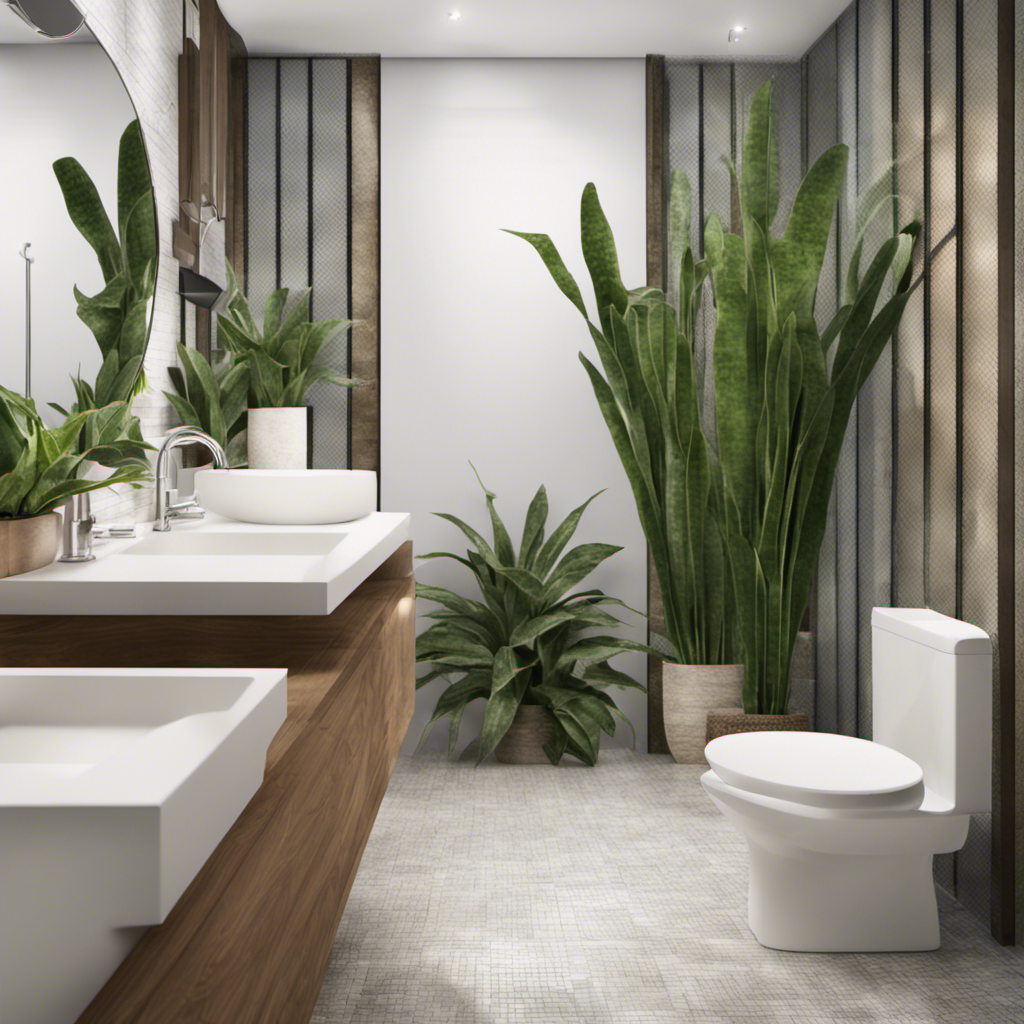
One of the first things to remember is their aversion to waterlogged roots. While they might revel in the misty embrace of your post-shower environment, they detest being waterlogged. Hence, it's essential to house them in well-draining soil and pots. This ensures they get the humidity they love without the drowning they loathe.
On the topic of water, let your snake plant play hard to get. Overzealous watering is often the bane of this stoic plant. The bathroom's ambient moisture often means you can water them even less frequently. Just gently probe the soil now and then. If it's dry a couple of inches down, that's your green light to hydrate.
Lighting
that elusive aspect many bathroom plant enthusiasts grapple with, is less of a concern for our green friend. Whether your bathroom is blessed with frosted window panes or is devoid of any natural light, the snake plant adapts. If you're in the latter camp, consider treating your plant to a mini-vacation in a brighter room now and then, or investing in a plant light.
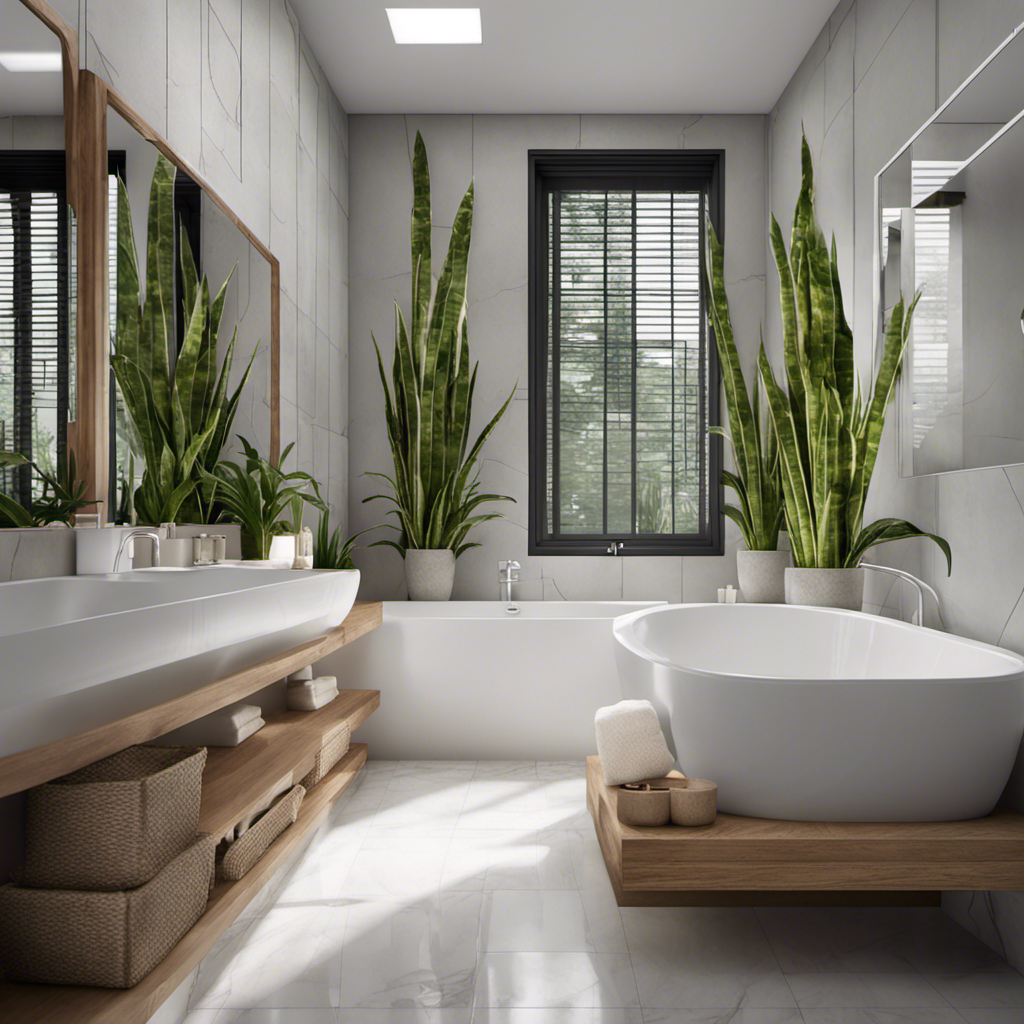
Speaking of variety, while the classic tall and upright Sansevieria trifasciata (often with alluring yellow edges) is a well-known choice, don't shy away from exploring others. The cylindrical Sansevieria cylindrica or the petite Sansevieria hahnii might just add that unique touch to your space.
In the end, the ideal bathroom for a snake plant is much like a spa retreat—a place of balanced moisture, soft lighting, and occasional pampering. And just like us, they relish in an environment that's not too cold. Keeping temperatures above 50°F (10°C) will ensure they're always in their comfort zone.
Air Plants (Tillandsiaspp.)
When it comes to bathroom greenery, air plants, those intriguing denizens of the tropical plant world, are rising as the unassuming stars. Embracing the essence of tropical and subtropical realms, these rootless wonders, scientifically termed Tillandsia spp., find sanctuary in our intimate spaces.
Imagine stepping into a bathroom and being greeted by the soft, rosy hue bright white flowers of a Tillandsia ionantha on the cusp of bloom. Or perhaps your eyes wander to the regal presence of a Tillandsia xerographica, its wide, silver leaves unfurling like a queen's robe. Then there's the delightful intrigue of the Tillandsia bulbosa, a quirky character that seems to belong in a deep-sea exploration as much as in your serene bathroom.
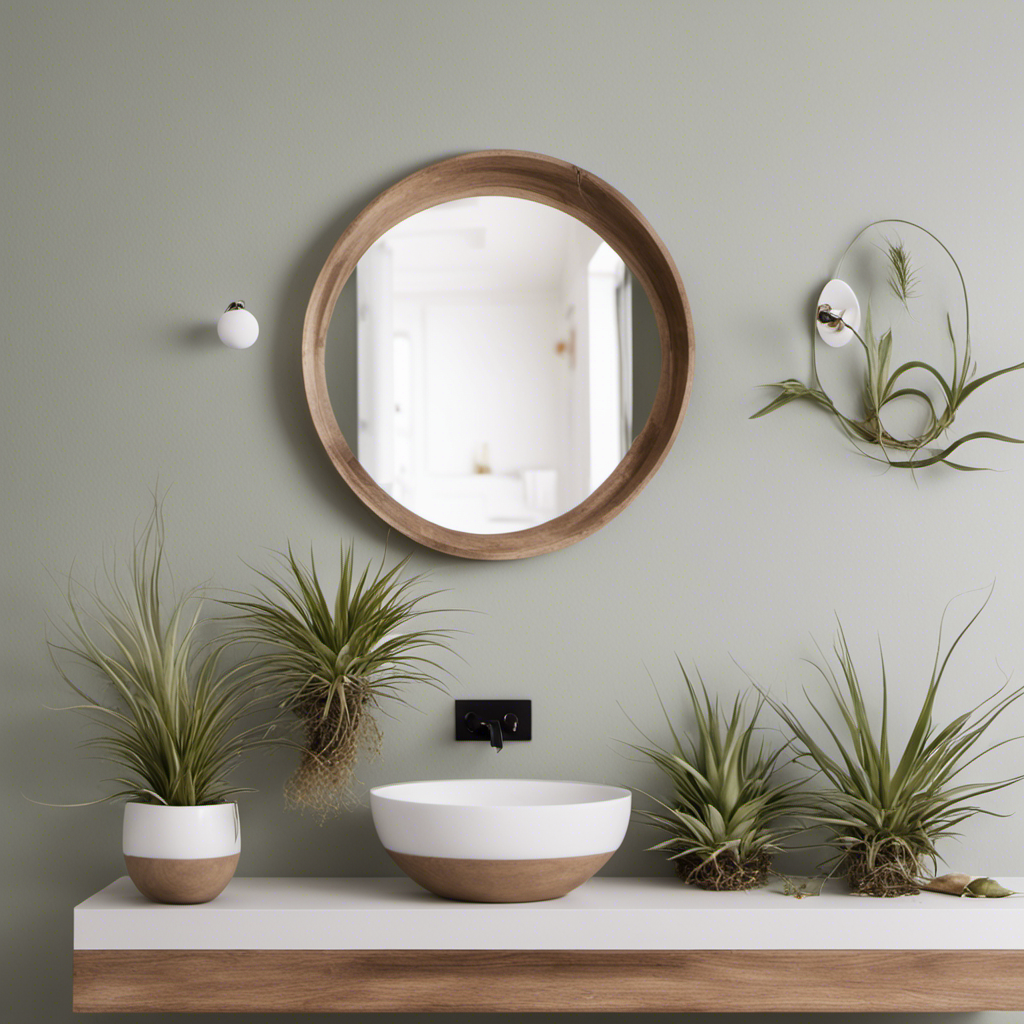
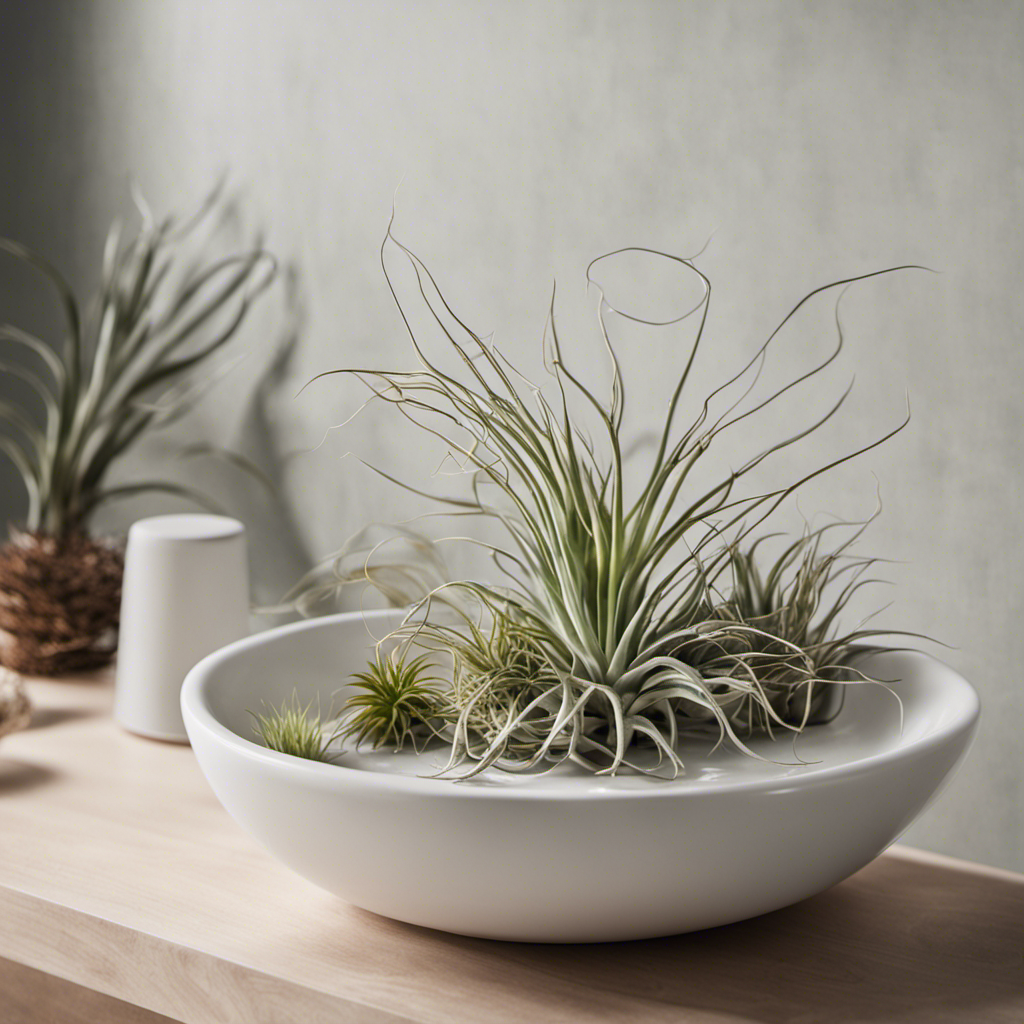
Now, integrating these ethereal beings into your space is an art in itself. Their adaptability shines in various decor styles. Visualize a piece of driftwood, suspended from your otherwise windowless bathroom wall, bearing these plants in a stunning aerial display, reminiscent of floating gardens in some forgotten paradise. The delicacy of a glass terrarium, perched gracefully on a windowsill or hanging, becomes a miniature world with an air plant reigning supreme. Even the simplest of decorations, like laying them out on an elegant tray, transforms a mundane counter into a botanical tableau.
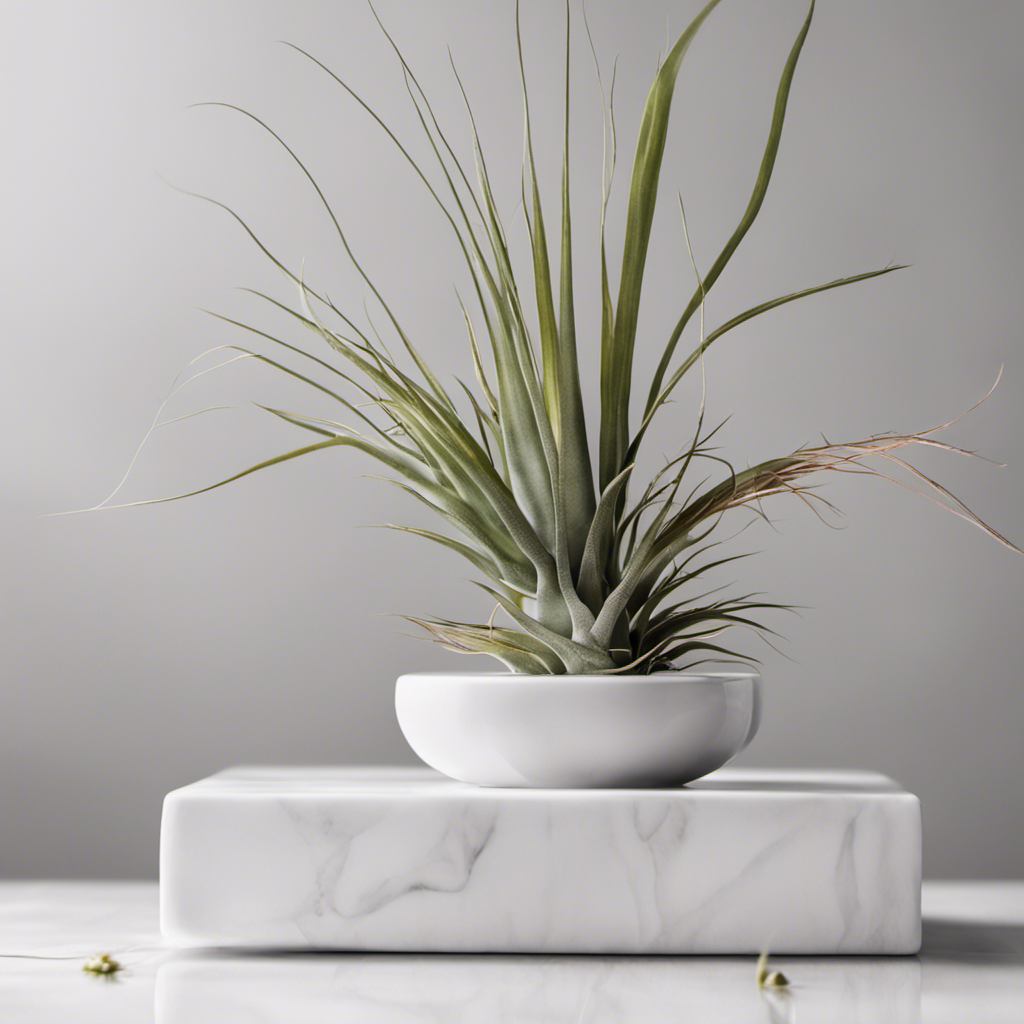
Yet, for all their beauty, air plants whisper tales of their tropical origins and ask for a touch of care. They revel in the gentle embrace of bathroom mists, but during drier days, they’d appreciate a spray from a water bottle. Every few weeks, consider giving them a more immersive experience—a brief soak in room temperature water. They'll emerge refreshed, just as we do from a relaxing bath.
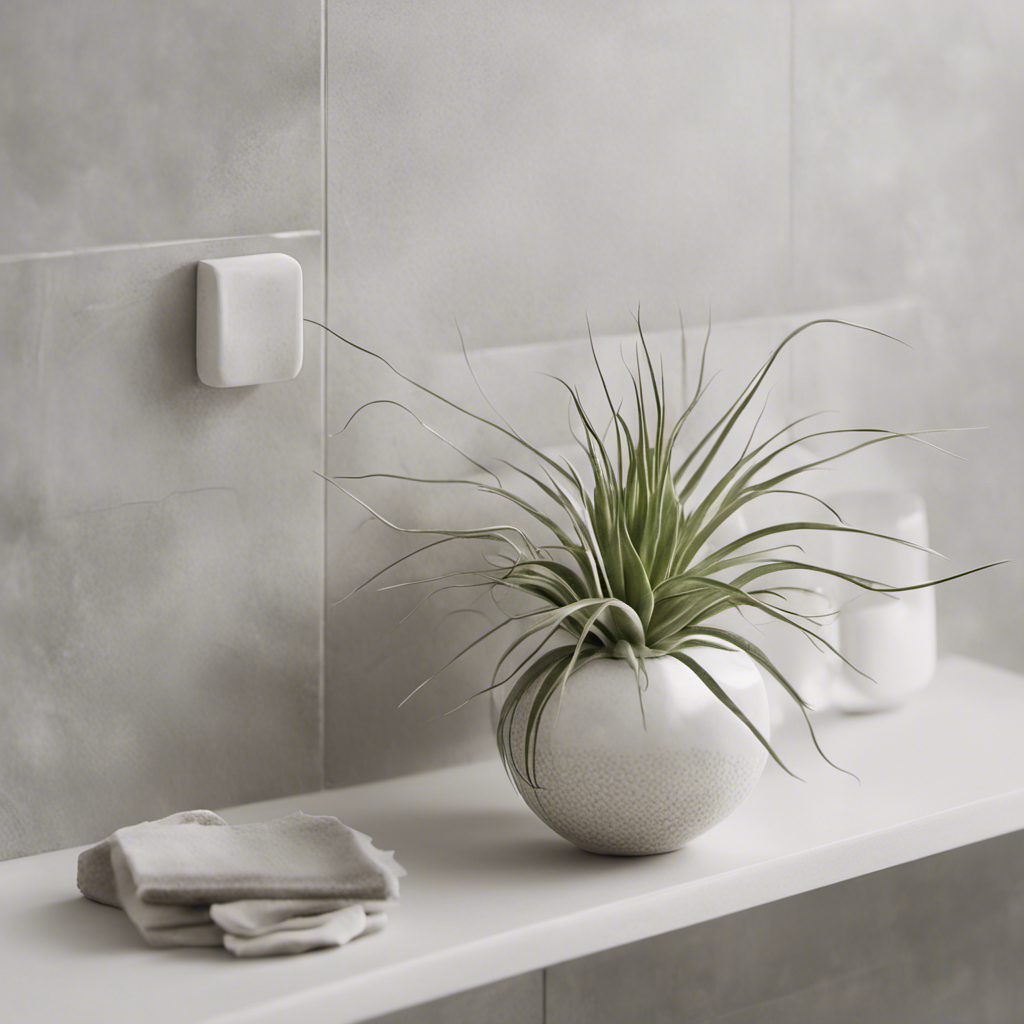
Light, that gentle nurturer, is vital to hanging plants. Air plants aren't demanding; they aren't asking for hours under the sun. Yet, they'll thrive with dappled, indirect light that filters through frosted bathroom windows. And, on the topic of fresh air, they adore it! The occasional breeze from an open window or the waft from an exhaust fan ensures they breathe just as deeply and freely as we do.
Bringing air plants into a bathroom is like merging two worlds—the grounded, personal comfort of our homes with the floating, ethereal beauty of tropical forests. And in this intersection, you'll find a dance of mists, greenery, and tranquility, perfect for those moments of solace and rejuvenation.
Pothos (Epipremnum Aureum)
The Epipremnum aureum, more commonly known as the pothos, is a staple in many households. Its ability to thrive in a variety of conditions has made it a favorite among indoor plant enthusiasts. But the bathroom—an area frequently humid and often overlooked for plants—is where the pothos can reveal its full potential.
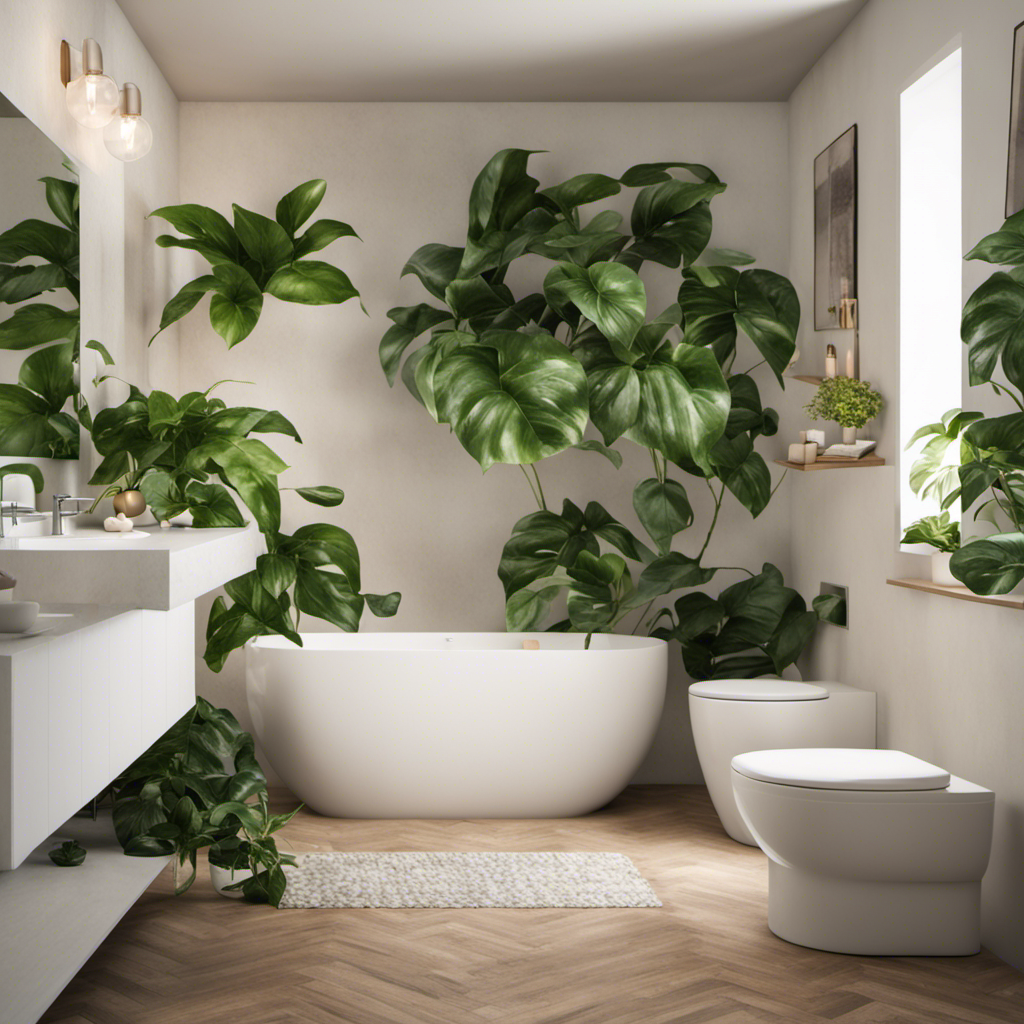
Bathrooms provide an environment similar to the pothos' native habitat. The ambient humidity mimics the tropical and subtropical regions from which the pothos originates. This similarity in conditions can be leveraged to turn an ordinary bathroom into a mini botanical haven.
One of the most effective ways to introduce pothos into a bathroom is through strategic placement. The plant can be positioned on a high shelf, allowing its vines to cascade down, offering a visual aesthetic reminiscent of a green shower curtain rod. If you have wall space to spare, consider guiding the pothos' growth across the wall using subtle hooks, transforming an empty wall into a tapestry of the green foliage.
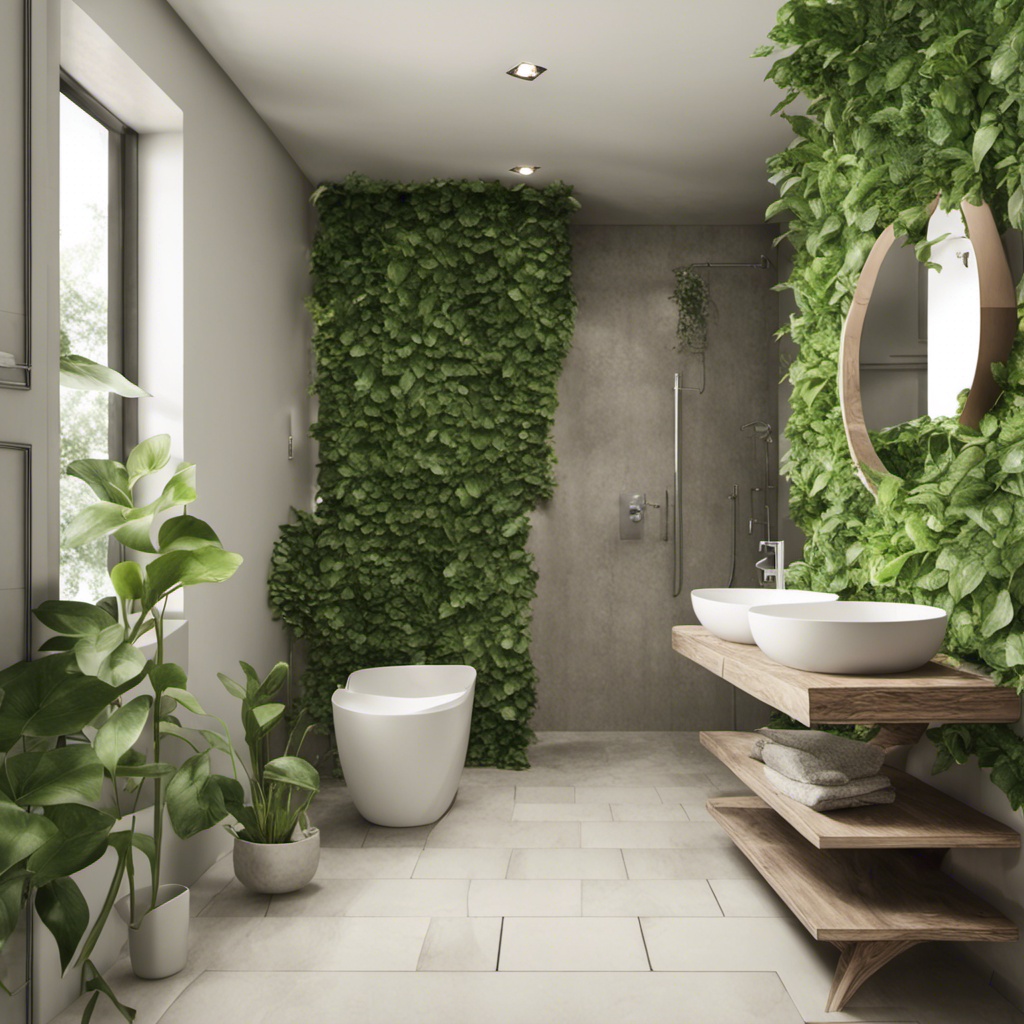
While aesthetics are important, ensuring the health of the pothos should be a primary concern. A bathroom with a frosted window or any source of bright indirect light is beneficial for the plant. While the pothos is adaptable to lower light conditions, it thrives best when it receives consistent, indirect sunlight. If your bathroom doesn't provide such direct light, periodically moving the plant to a brighter location can help maintain its health.
Watering in a humid environment requires care. The pothos prefers its soil to dry out slightly between waterings. The consistent moisture in a bathroom might mean that you need to water the plant less frequently. Check the top inch of soil—if it's dry, it's time to water. Conversely, if the soil feels too wet or if the leaves start yellowing, you might be overwatering this medicinal plant.
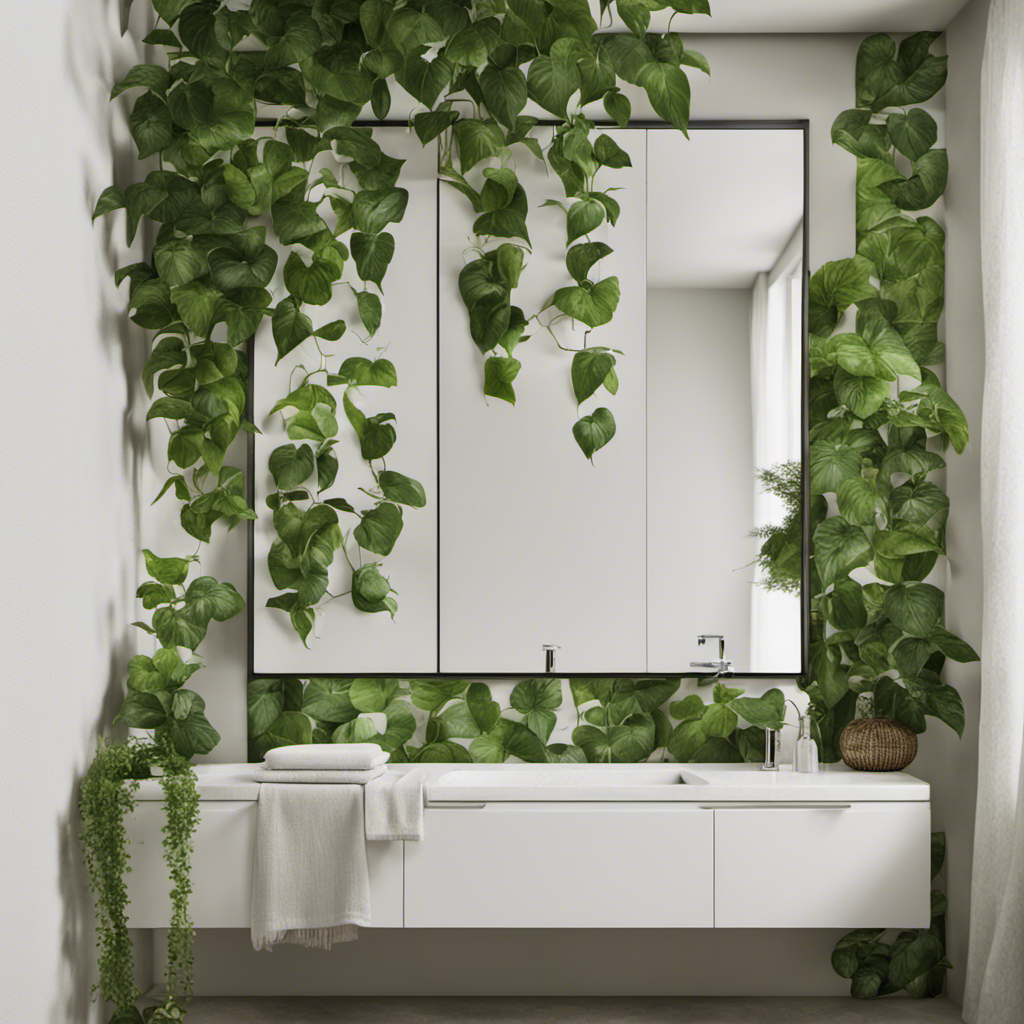
Incorporating pothos plants into the bathroom not only elevates the space's aesthetic but can also improve air quality. This plant is known to be effective at removing indoor air pollutants like formaldehyde. So, while you're benefiting from the visual appeal of the pothos, you're also breathing cleaner air.
To summarize, introducing a pothos to your bathroom can be both a decorative and functional choice. By understanding its natural habitat and needs, you can create an environment where both you and the plant can thrive. With the right care, the pothos can transform your bathroom into a vibrant, living space.
Consider the Type of Bathroom
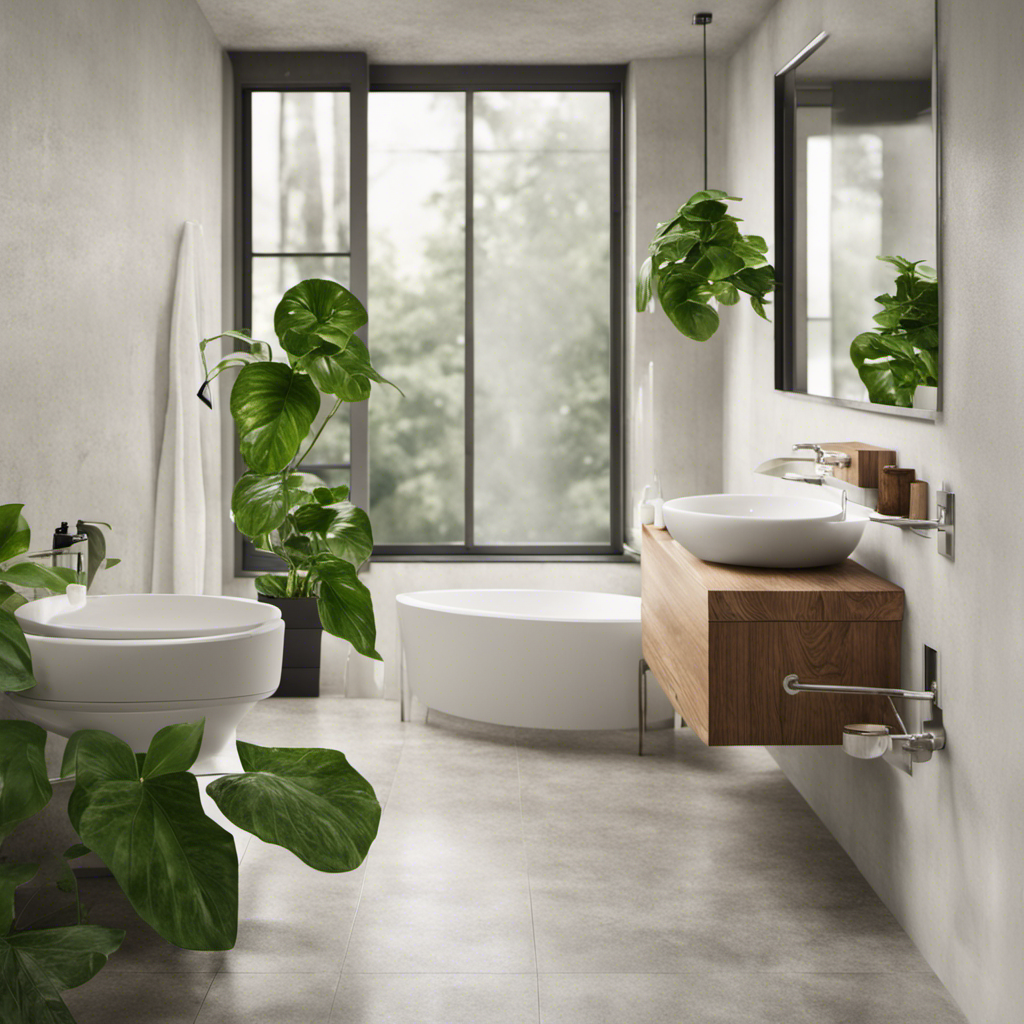
The charm of a bathroom lies not just in the gleam of its faucets or the hue of its tiles. It's in the ability of the space to mirror a sanctuary, blending utility with serenity. But this equilibrium is often overlooked, especially when we consider introducing plant life. Every bathroom, with its distinct architectural character, whispers unique tales of light, space, and air. Let's delve into how to listen and harmonize these tales with the right botanical touch.
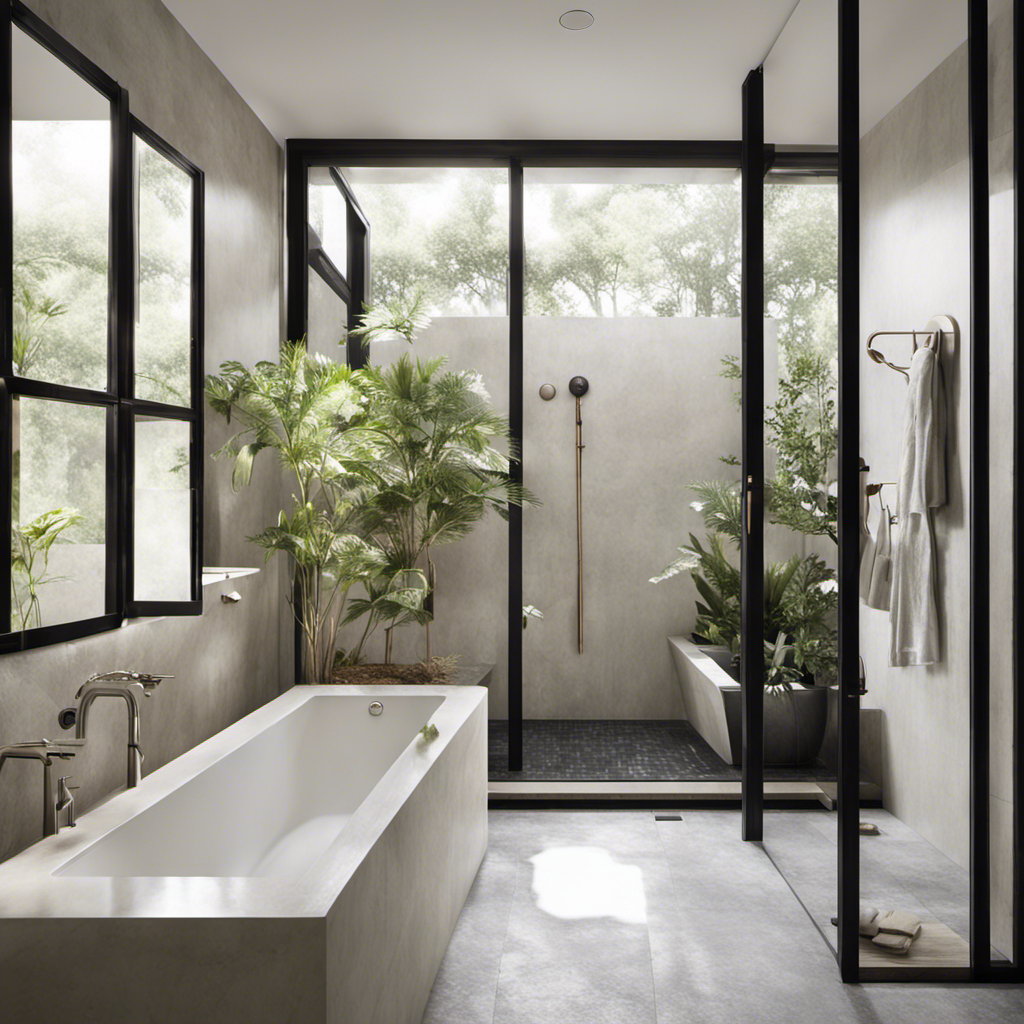
The Role of Light
Bathrooms with large windows are a haven for plants that thrive in an abundance of natural light. Succulents, for instance, are perfect candidates. However, if your bathroom has frosted or smaller windows, you're looking at lower light conditions. This suits plants like pothos or ferns that can flourish without direct sunlight.
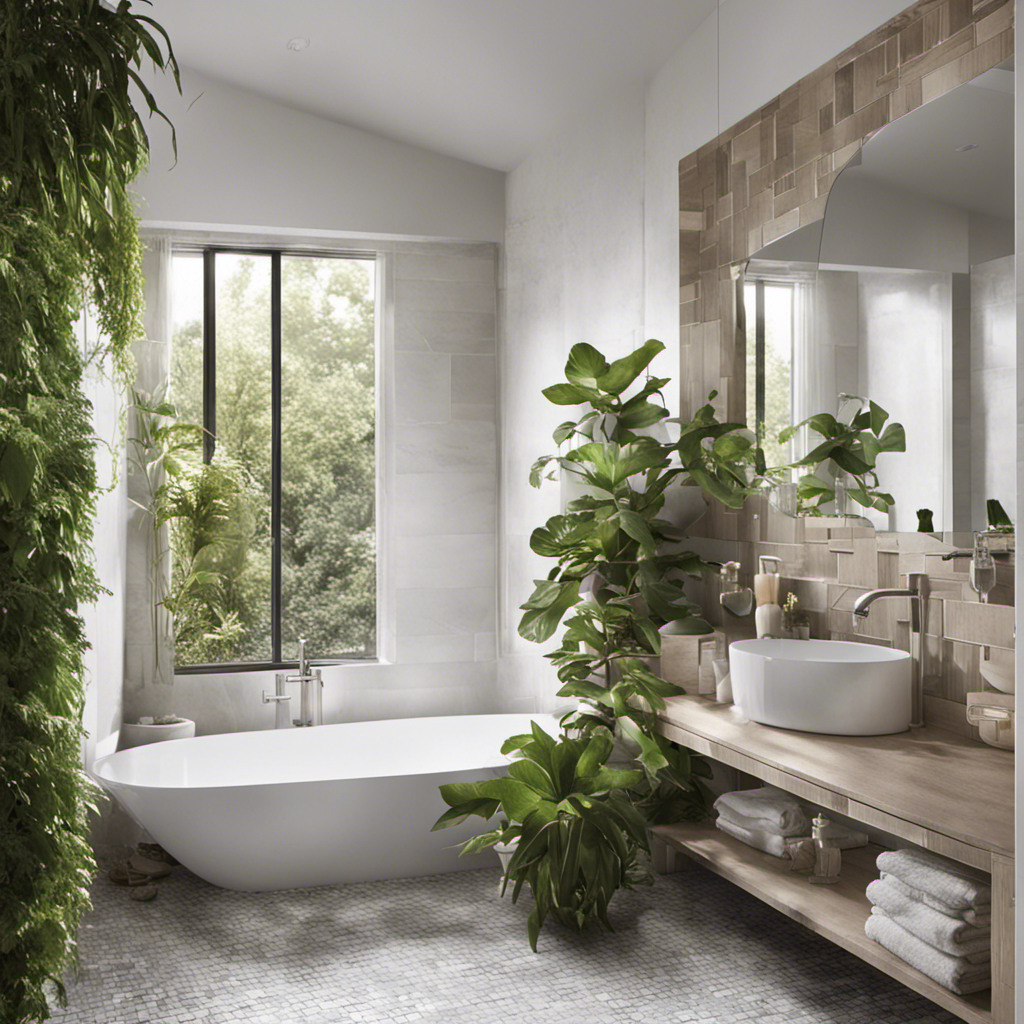
Space Dynamics
The spatial layout of your bathroom can dictate the kind of plants you can accommodate. Larger bathrooms have the luxury of hosting plants like monstera or even small indoor trees. Compact bathrooms, meanwhile, benefit from plants that grow vertically or can be hung, ensuring they don't take up precious floor space.
Ventilation Matters
The humidity and ventilation in your bathroom can make or break a plant's health. Well-ventilated spaces can host a wider variety of plants, even those that prefer drier conditions, like ZZ plants. Conversely, bathrooms that retain humidity are perfect for tropical plants that thrive in moist conditions.
Architectural Features as Opportunities
Your bathroom's design can provide unique opportunities for plant placement. Recesses or ledges can host smaller potted plants. Floating vanities might give room for taller plants to be placed underneath. By studying the architecture, you can find spaces that you might have overlooked before.
In summary, by understanding your bathroom's architectural nuances, you can make informed choices about which plants to introduce and where. It's not just about making the space look good—it's about creating an environment where both the plants and the bathroom's functionality can coexist harmoniously.
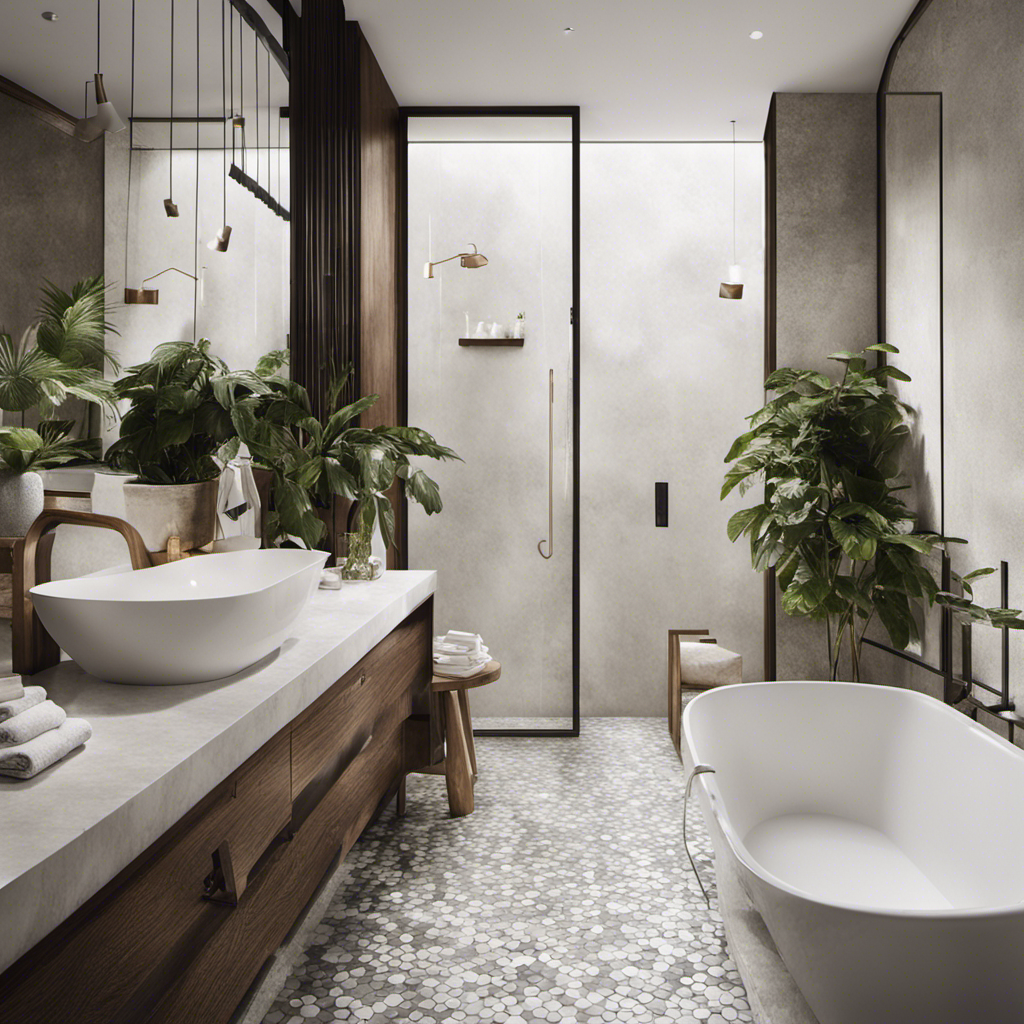
Spider Plant (Chlorophytum Comosum)
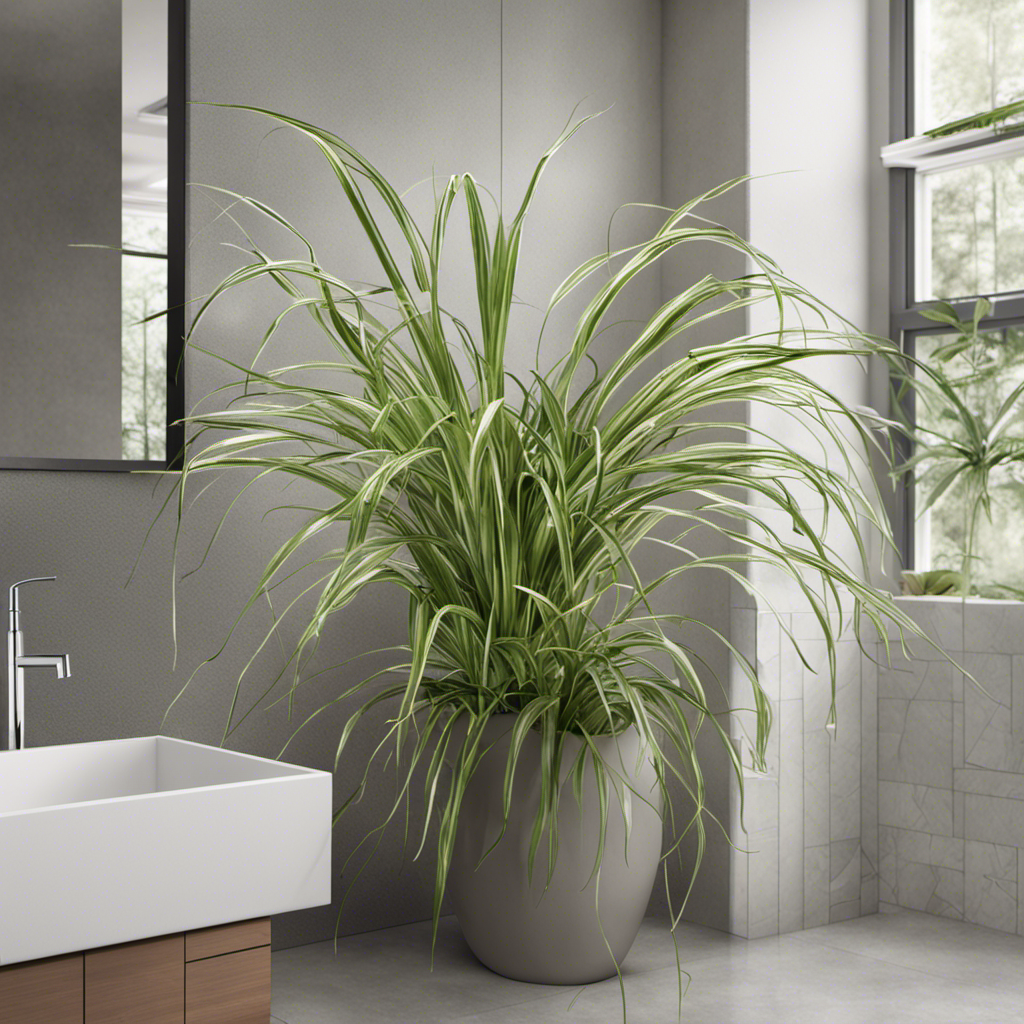
While the Spider Plant, Chlorophytum Comosum, has a popular reputation as an adaptable houseplant best bathroom plants, there are specific reasons it thrives exceptionally well in bathroom conditions, and some might surprise you:
High Humidity:
When diving into the realm of plant physiology, we find that the Spider Plant, like many other tropical-origin plants, has specialized stomatal behaviors.
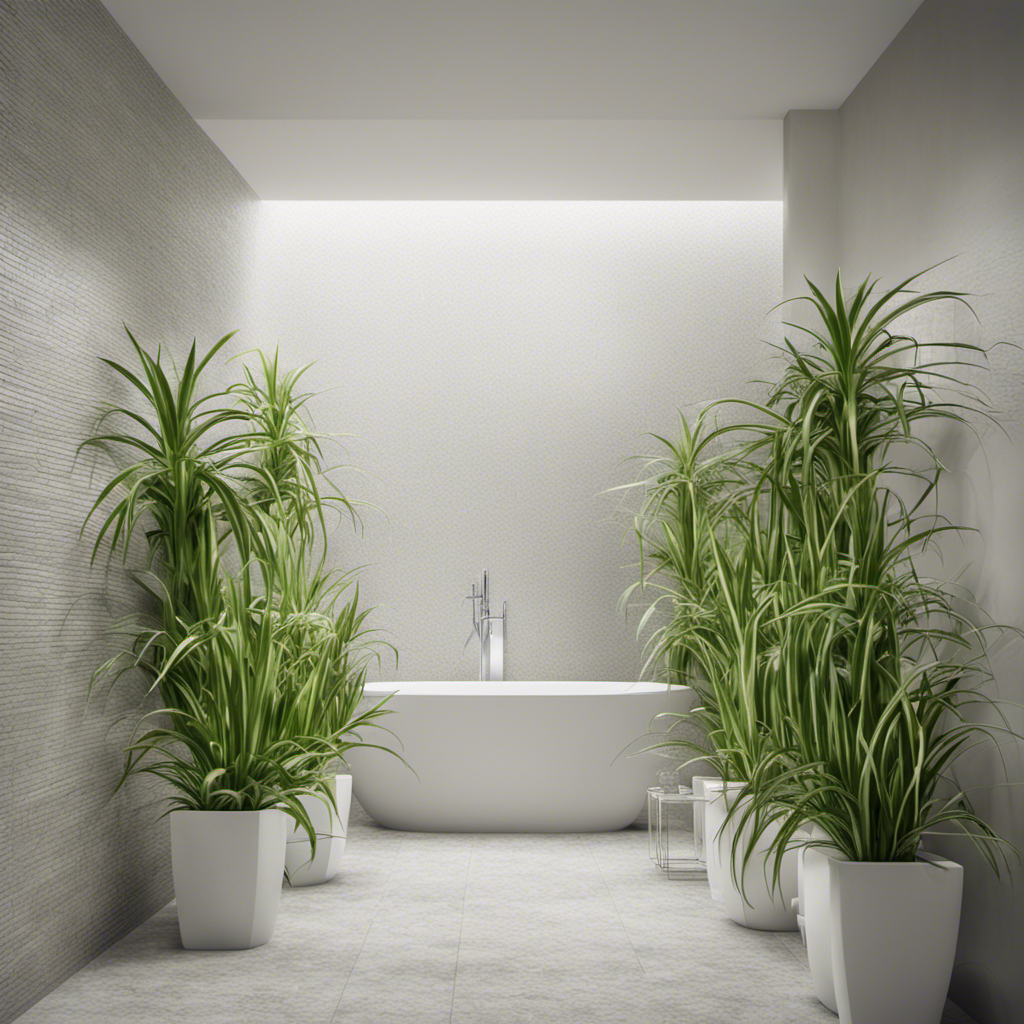
Stomata are the tiny pores on leaves that regulate gas exchange. In high humidity environments, like bathrooms, the Spider Plant can efficiently close its stomata to conserve water while still maintaining essential gas exchange, primarily due to the increased water vapor in the air.
Fungal and Bacterial Resistance:
Bathrooms can be breeding grounds for fungi and bacteria due to the humid conditions. Spider Plants have demonstrated a natural resistance to certain types of fungal and bacterial agents.
Their roots produce specific compounds that act as a natural fungicide. This makes them less susceptible to diseases that might plague other houseplants in similar conditions.
Beneficial Root Microbiome in Humid Conditions:
The root system of Spider Plants is a bustling metropolis for beneficial microbes. When placed in bathrooms, the heightened humidity can lead to increased microbial activity. This symbiotic relationship boosts the plant's nutrient absorption, ensuring healthier growth.
Effects of Sound on Growth:
It might seem out of left field, but there's emerging research indicating that plants, including the Spider Plant, respond to sound waves. The consistent sound of water, such as a shower, can lead to subtle, positive growth responses in plants due to minute vibrations.
Decor with Function - Beyond the Aesthetic:
While the visual appeal of Spider Plants is undeniable, consider leveraging its growth pattern for functional decor:
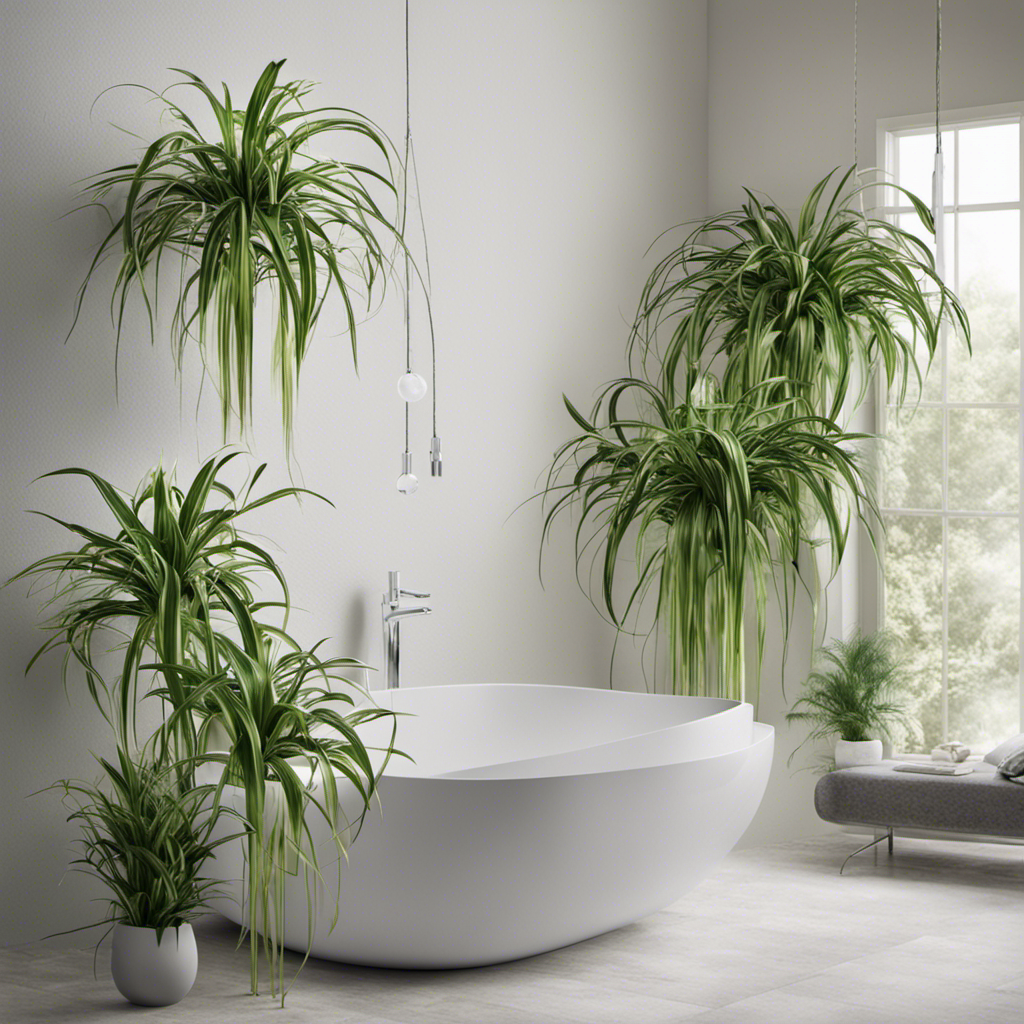
Natural Shower Curtain Divider: By using a series of hanging pots from a horizontal rod, mature Spider Plants can act as an eco-friendly, partial shower curtain or room divider.
Bathroom Border: Use spider plants as a border along your bathroom window, especially if it's frosted. Their spiderettes will filter the incoming light, adding a unique green illumination to your space.
Advanced Care Tips:
Bathroom Companionship:
Believe it or not, plants exhibit a phenomenon called 'plant signaling'. If you have multiple plants in your bathroom and one is stressed, it can release volatile organic compounds that warn nearby plants.
Spider Plants are particularly sensitive to these signals and can ramp up their defense mechanisms in response, potentially leading to better resilience.
Water Quality Check:
If you've been using tap water, it might be beneficial to occasionally water your Spider Plant with distilled or rainwater. This change can help in flushing out any accumulated salts or minerals in the soil.
Calathea ‘Freddie' – Prayer Plant
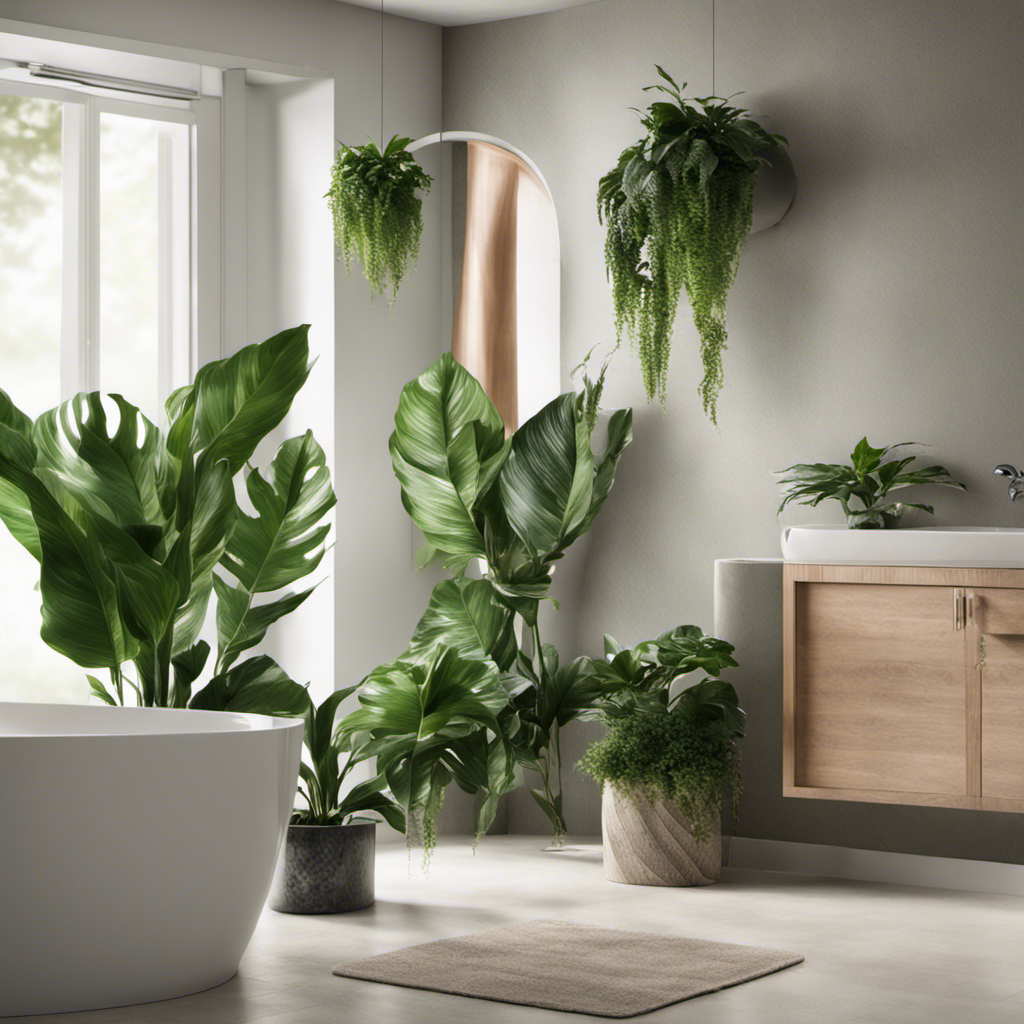
While many indoor plants offer visual appeal, the Calathea ‘Freddie’ or Prayer Plant introduces an element of living art through its rhythmic daily movements and intricate leaf patterns. As you introduce this captivating beauty into your bathroom, you'll notice not just a visual transformation but also a dynamic shift that attunes to the day's cycle.
The Pulsing Heartbeat of the Bathroom
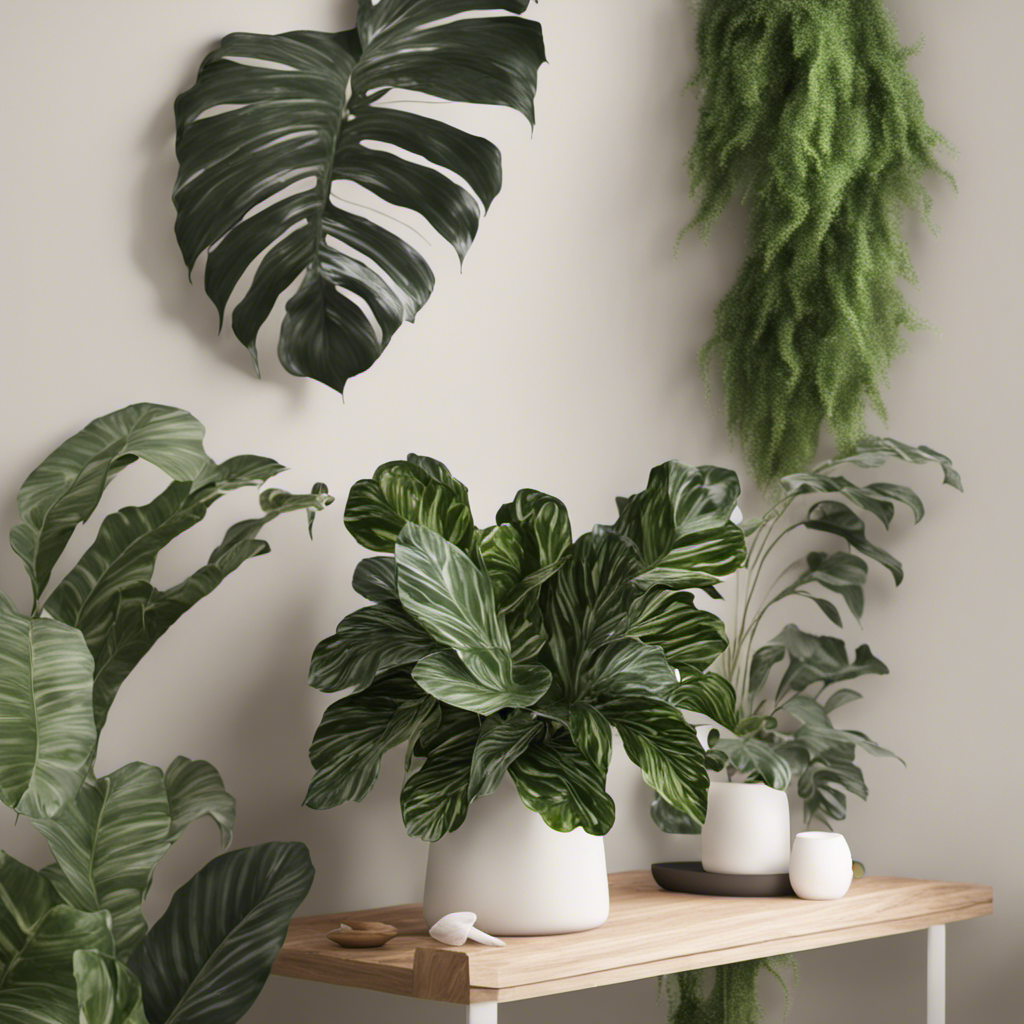
One of the fascinating attributes of the Calathea ‘Freddie’ is its nyctinastic movements - the natural motion of leaves opening and closing in response to light. As morning light filters through your bathroom window, the Freddie's leaves spread out, displaying their stunning patterns. Come evening, they fold up as if in prayer (hence the name). This daily ritual adds a sense of motion and rhythm to your bathroom, making each visit a unique experience.
A Canvas of Nature's Intricacy
Calathea 'Freddie' boasts slender, elongated leaves adorned with intricate green patterns against a lighter backdrop. The contrast of dark green foliage is amplified in the warm, diffused lighting often found in bathrooms. This plant becomes not just a decorative piece but a celebration of nature's artistry.
Leveraging Bathroom Microclimates
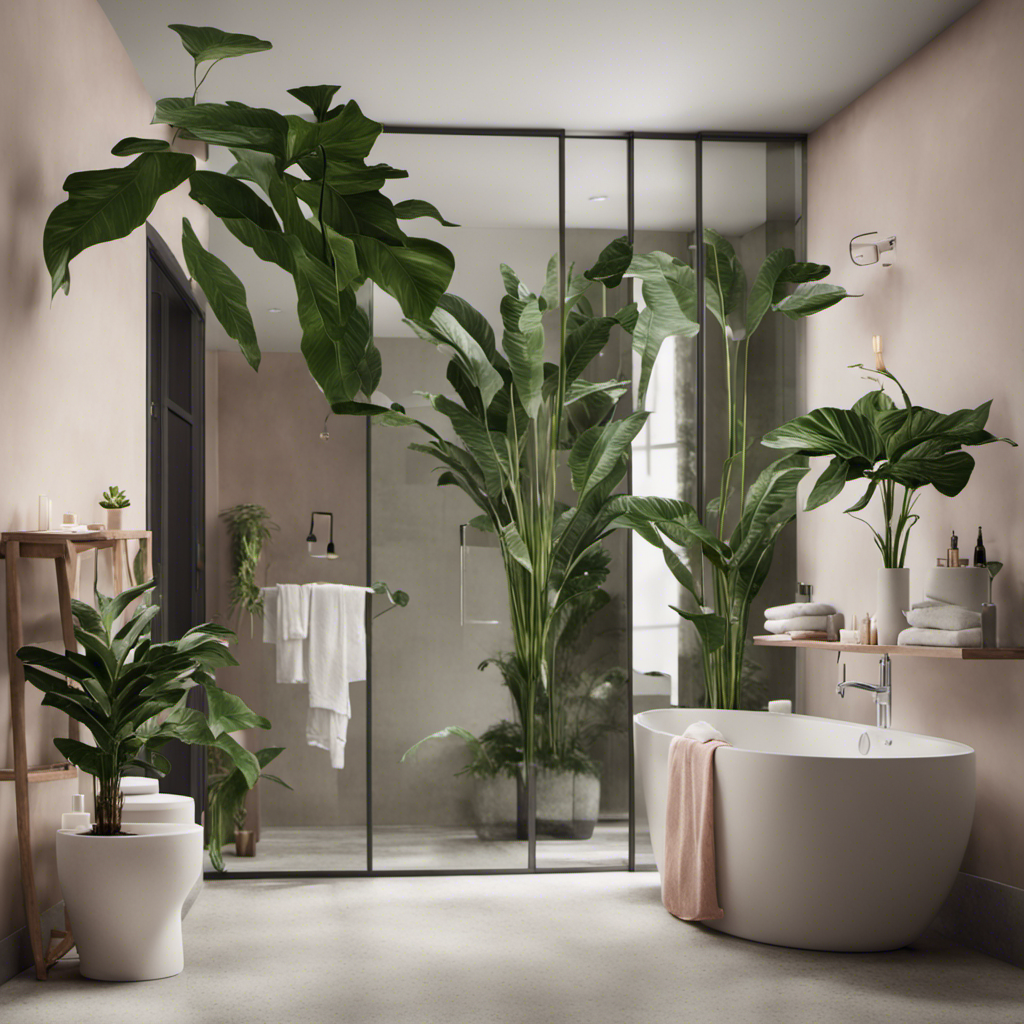
While Calathea ‘Freddie’ thrives in higher humidity, bathrooms inherently offer the best plants for these conditions, especially post-shower. Positioning the Freddie near the shower or tub can provide it with the moisture it craves. The warm mist and droplets are akin to its tropical habitat, ensuring it flourishes.
Bathroom Decor – Dancing with ‘Freddie’
Given its striking appearance, you can:
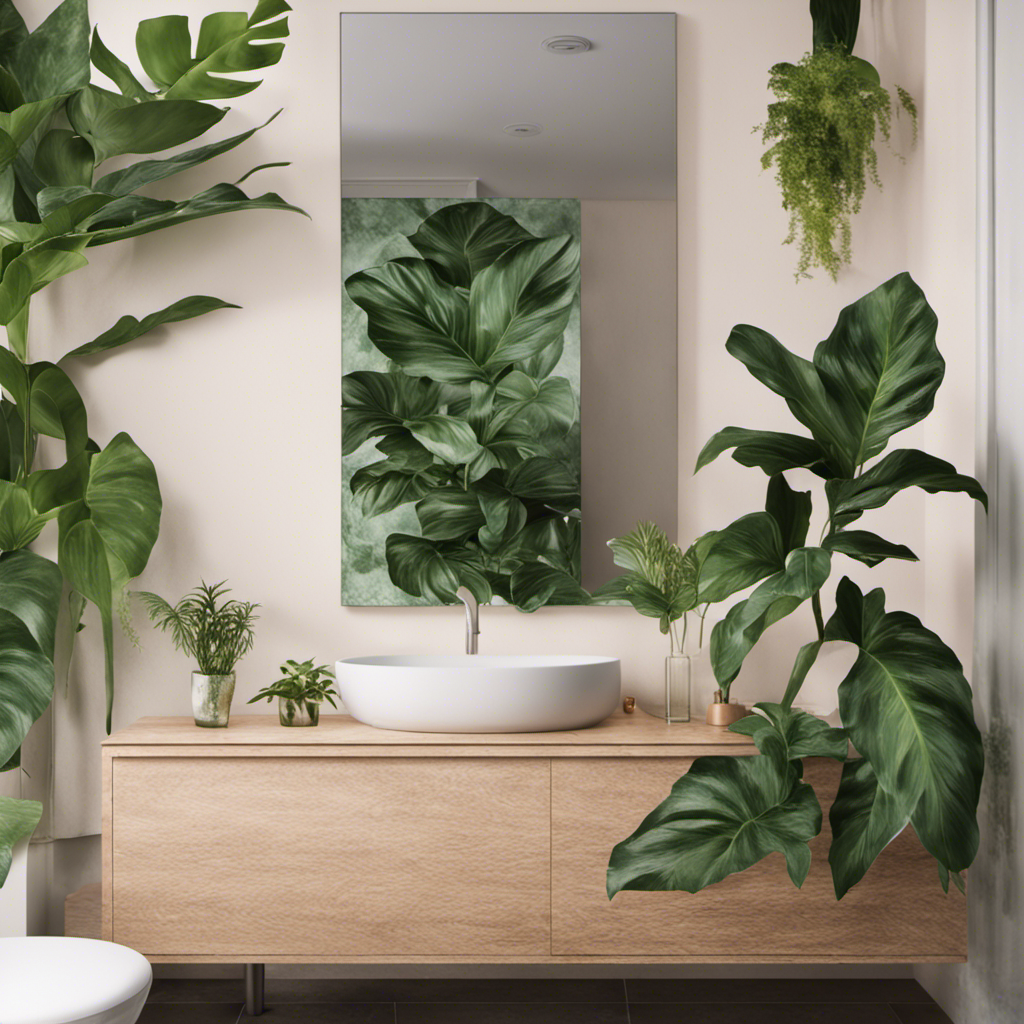
Shelf Showcase: Place the Freddie on a floating shelf, allowing its leaves to cascade down, creating a green waterfall effect.
Tub Side Serenity: A pot of Calathea 'Freddie' beside your bathtub can elevate a regular bath into a tropical spa experience.
Mirrored Reflection: Positioning this plant opposite a mirror can reflect its patterns, doubling the visual impact.
Advanced Care in the Bathroom Setting:
Avoid Cold Drafts: Despite its love for humidity, the Freddie detests cold drafts. Ensure it's not placed near poorly insulated windows or under AC vents.
Misting Magic: If your bathroom doesn't receive daily use, a light misting can supplement the required humidity.
Filtered Light: Direct sunlight can damage the delicate leaves. Sheer curtains or positioning it in a spot with indirect light will ensure the plant remains vibrant.
Trailing jade plant – Peperomia rotundifolia
Unlike the loud and lavish plants that steal all the attention, the Trailing Jade – Peperomia rotundifolia – adds understated elegance to a bathroom. Its simplicity in design and care requirements make it a perfect fit for those who love subtlety.
A Humble Companion
The Trailing Jade doesn't demand the spotlight. Its dainty, round leaves on slender stems effortlessly take medium light to weave a tale of natural beauty. In a bathroom setting, amidst tiles and fixtures, this plant introduces a touch of gentle wilderness.
Integration Ideas
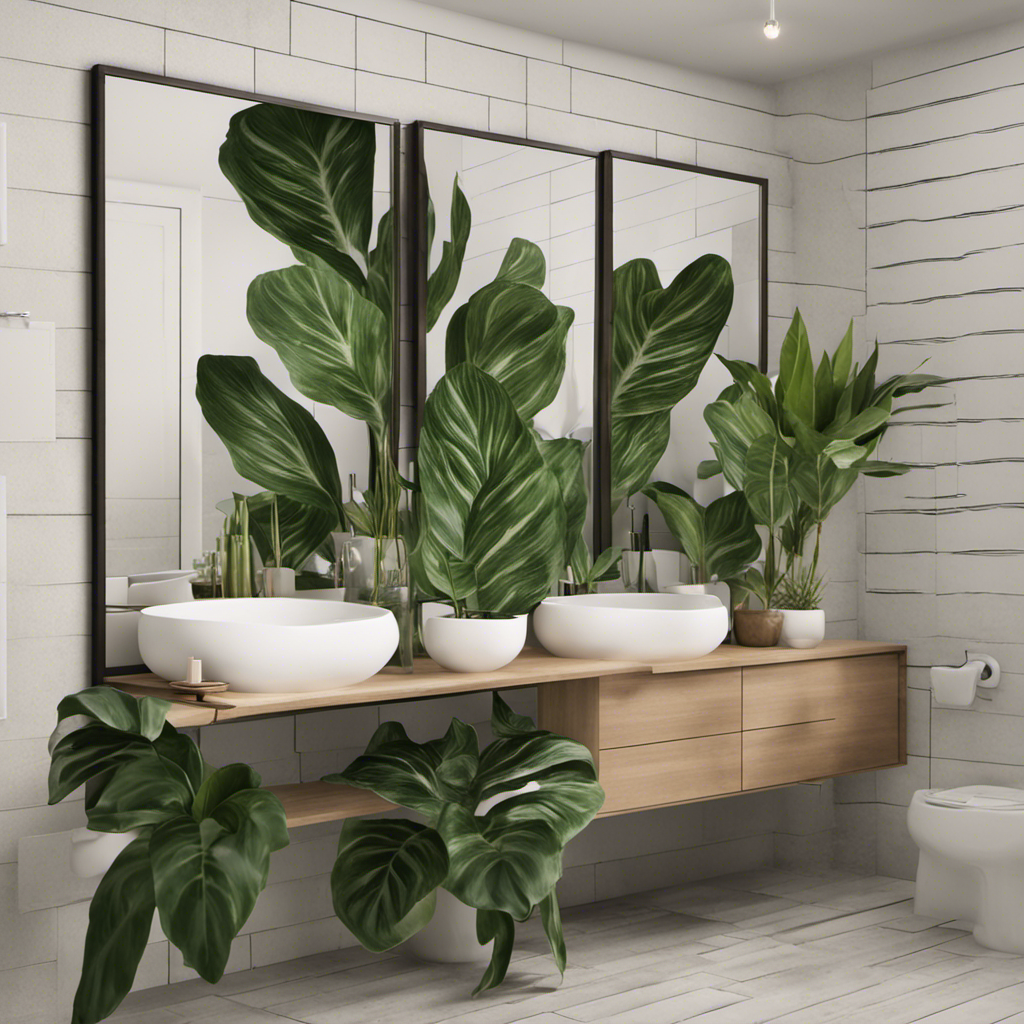
Window Frame: Rather than typical curtains, consider a hanging pot of Trailing Jade. It filters the sunlight while providing a dash of living green.
Shower Shelf: Nestle this plant between your shampoo and body wash. Its presence might just make your daily routine a bit more therapeutic.
Quick Care Guide:
Watering Wisdom: The Trailing Jade prefers to dry out a bit between waterings. Given the high humidity in most bathrooms, you might find yourself watering it less frequently.
Filtered Views: While it doesn’t crave direct sunlight, bright filtered light will keep this plant at its best.
Heartleaf Philodendron – Philodendron hederaceum
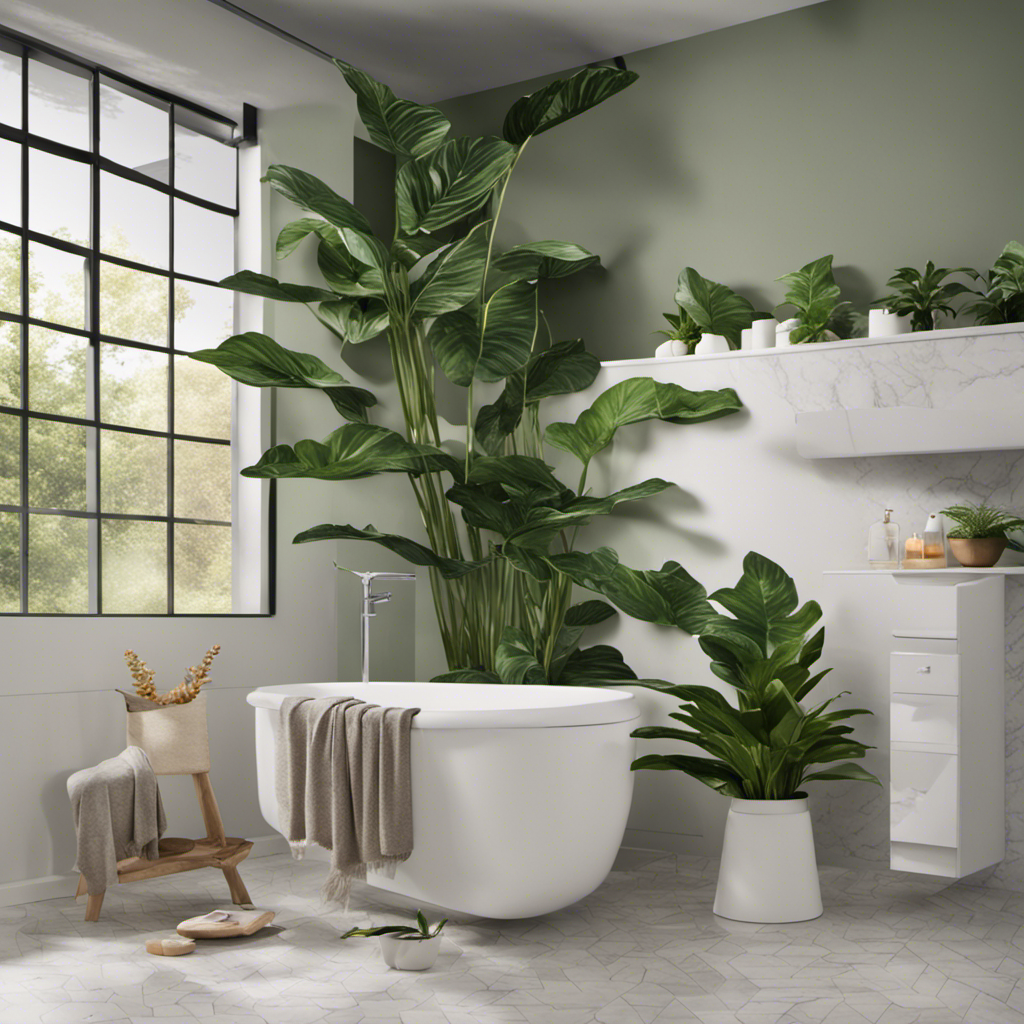
Incorporating plants into bathroom decor has become a popular trend, and for good reason. The Heartleaf Philodendron, also known as Philodendron hederaceum, is an excellent choice for bathroom decor due to its resilience and adaptability to low-light environments. Its heart-shaped leaves cascade gracefully, adding a touch of greenery to the space and purifying the air by filtering out pollutants commonly found in bathrooms.
Chinese Evergreen (Aglaonema commutatum)
another ideal candidate for bathroom decoration. Renowned for its attractive foliage, this plant thrives consistently moist soil and in low-light conditions and maintains its vibrant colors even with wet soil and minimal sunlight. Its ability to purify the air by removing toxins enhances the bathroom environment, promoting a fresher and healthier atmosphere.
Boston Fern
The Boston Fern is a classic choice that brings a lush, tropical feel to bathrooms. With its feathery fronds that gracefully arch over the sides of pots, the Boston Fern thrives in the humidity often present in bathrooms. Its presence not only adds an aesthetic appeal but also acts as a natural humidifier, maintaining a comfortable moisture level in the air. Leaving the Boston fern to be one of my personal favorite bathroom plants.
Are succulents good for bathrooms?
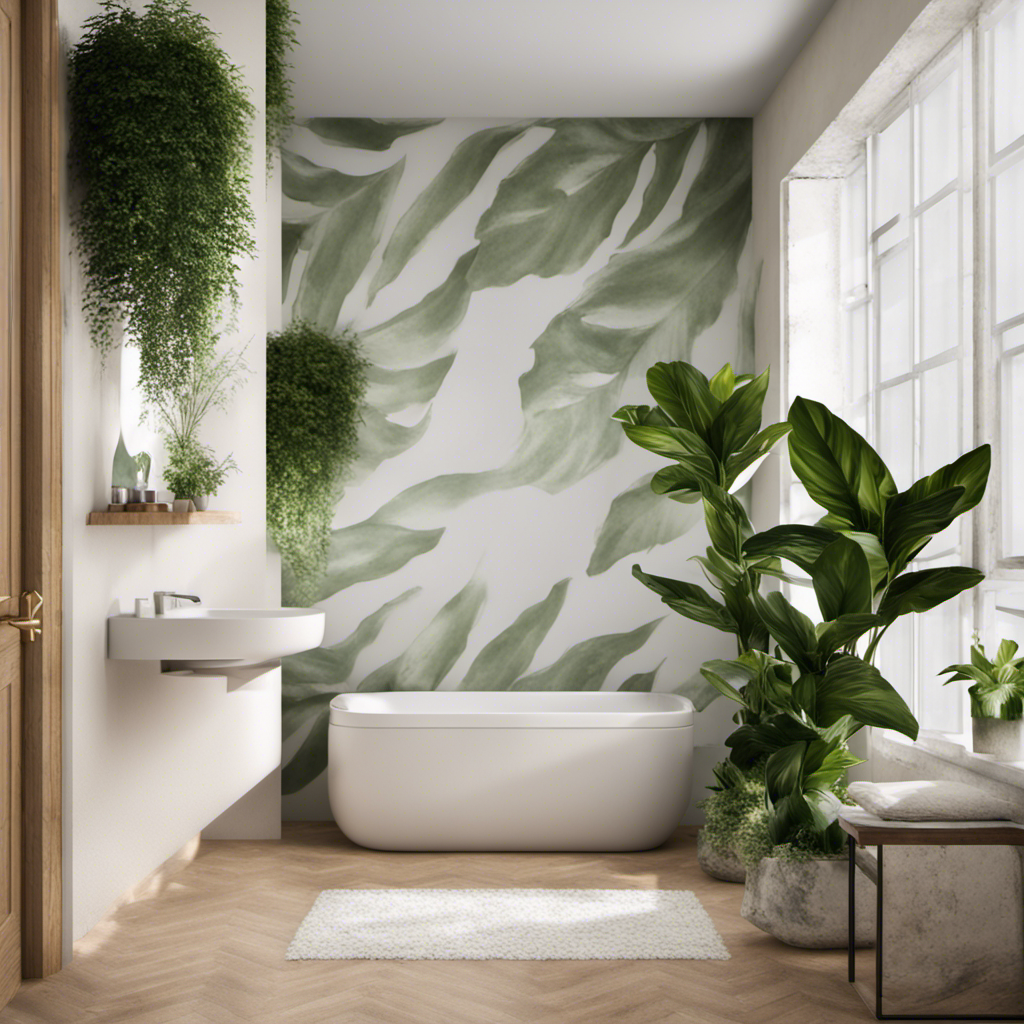
Succulents, however, might not be the most suitable option for bathrooms. While they are known for their water-storing capabilities and easy maintenance, most succulents thrive in very bright light, indirect light and require occasional direct sunlight. Bathrooms typically have lower light levels, which can lead to stretching and leggy growth in succulents. Additionally, the high humidity from showers might not be well-tolerated by all succulent varieties, potentially leading to issues like rot. All in all I dont recomend keeping succulents as bathroom plants, but I am sure there are some succulent varrieties that would absoutly thrive as bathroom plants.
Aloe Vera Plant
An Aloe Vera plant, on the other hand, can be an interesting and functional addition to a bathroom. Aloe Vera is renowned for its soothing gel, which can be used to treat minor burns and skin irritations. Placing an Aloe Vera plant in your bathroom not only enhances the décor but also provides easy access to its healing properties. Depending on the light that you get in your bathroom it may be a good idea to keep a few different plants on a rotation to ensure that they get all the necessary sunlight to survive.
Comments
Post a Comment